 뒤로
뒤로The Circulatory System: Blood – Structure, Function, and Clinical Relevance
스터디 가이드 - 스마트 노트
 자료에 맞춘 맞춤형 노트, 핵심 정의, 예시, 맥락을 확장해 제공합니다.
The Circulatory System: Blood
Introduction
The circulatory system is essential for transporting substances throughout the body and maintaining homeostasis. Blood, as a major component, plays a critical role in transport, protection, and regulation within the human body.
Functions of the Circulatory System
Transport: Blood carries oxygen, nutrients, hormones, and waste products to and from cells.
Protection: Blood contains immune cells and proteins that defend against pathogens and prevent blood loss through clotting.
Regulation: Blood helps regulate body temperature, pH, and fluid balance.
Components and General Properties of Blood
Blood is a liquid connective tissue composed of plasma and formed elements.
Volume: 4–6 liters in adults, about 8% of body weight.
Temperature: 38°C (higher than body temperature).
Viscosity: About 5 times more viscous than water, important for flow and resistance.
pH: 7.35–7.45 (slightly alkaline).
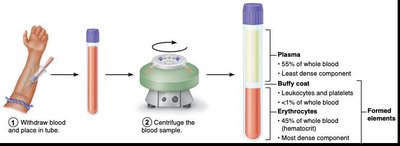
Blood Composition
Plasma: ~55% of blood volume; mostly water, proteins, and solutes.
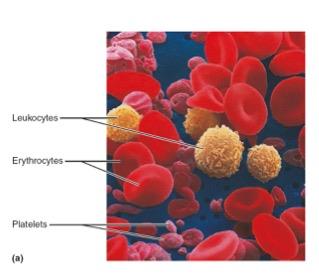
Formed Elements: ~45% erythrocytes (red blood cells), <1% leukocytes (white blood cells) and platelets.
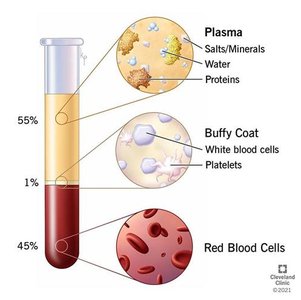
Blood Plasma
Water (92%): Solvent for carrying other substances.
Proteins (7%): Albumin, globulins, and fibrinogen are the main types.
Other Solutes (1%): Nutrients, wastes, hormones, and gases.
Plasma Proteins
Albumin: Most abundant; maintains osmotic pressure and transports substances.
Globulins: Involved in immune defense and transport.
Fibrinogen: Essential for blood clotting.
Hematopoiesis: Blood Cell Production
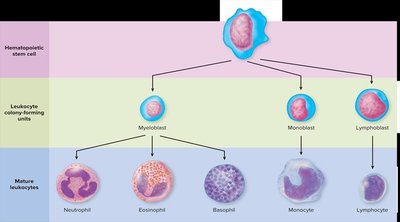
Blood cells are continuously produced in the bone marrow through a process called hematopoiesis. This includes the formation of erythrocytes, leukocytes, and platelets from hematopoietic stem cells.
Erythrocytes (Red Blood Cells)
Structure and Function
Main Functions: Transport oxygen from lungs to tissues and carbon dioxide from tissues to lungs.
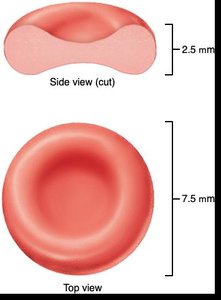
Shape: Biconcave disc, which increases surface area for gas exchange.
No nucleus or mitochondria: Maximizes space for hemoglobin and prevents self-repair.
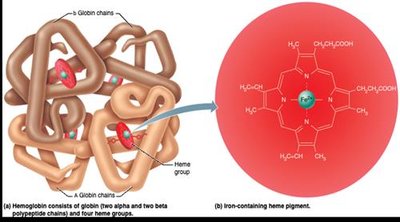
Hemoglobin
Structure: Red, iron-containing protein that binds oxygen.
Each iron atom binds one oxygen molecule.
ATP Production: RBCs rely on anaerobic fermentation to avoid consuming the oxygen they transport.
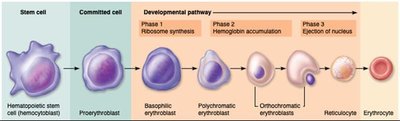
Erythrocyte Life Cycle
Lifespan: About 120 days.
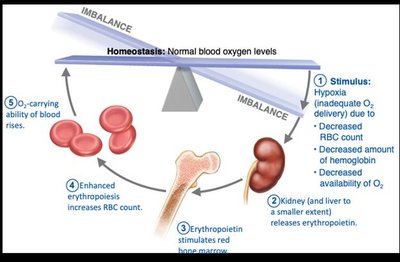
Production: Erythropoiesis occurs in the bone marrow, regulated by erythropoietin (mainly from the kidneys).
Destruction: Old RBCs are removed by the spleen and liver; components are recycled.
Disorders: Sickle-Cell Anemia
Cause: Mutation in the hemoglobin gene leads to abnormal, sickle-shaped RBCs.
Effects: Reduced oxygen-carrying capacity, pain, and increased risk of clotting.
Leukocytes (White Blood Cells)
Structure and Function
Main Role: Immune defense against pathogens.
Location: Most reside in connective tissues; use bloodstream for transport.

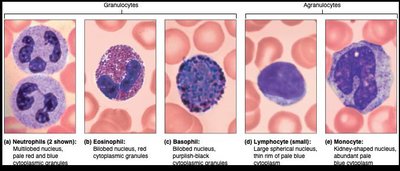
Types of Leukocytes
Granulocytes: Neutrophils, eosinophils, basophils (contain visible granules).
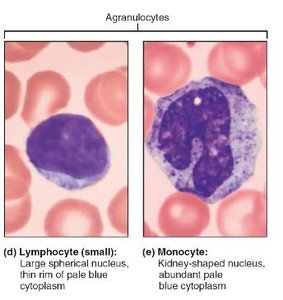
Agranulocytes: Lymphocytes, monocytes (lack visible granules).
Leukocyte Life Cycle
Leukopoiesis: Production of WBCs from hematopoietic stem cells in the bone marrow.
Leukocyte Disorders
Leukemias: Cancers involving overproduction of abnormal WBCs.
Infectious Mononucleosis: Viral disease causing excess lymphocytes.
Platelets and Control of Bleeding
Platelet Structure and Function
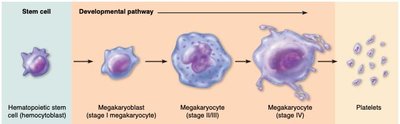
Origin: Fragments of megakaryocytes in bone marrow.
Function: Essential for blood clotting (hemostasis).
Hemostasis: Control of Bleeding
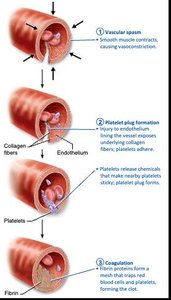
Three Stages:
Vascular spasm (vessel constriction)
Platelet plug formation
Coagulation (fibrin mesh traps cells)
Agglutination vs. Coagulation
Coagulation: Blood cells and platelets stick together via fibrin (clotting protein).
Agglutination: RBCs stick together due to antibodies binding to antigens.
Blood Types and Transfusion
Blood Typing
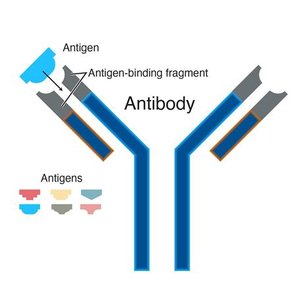
Antigens: Cell surface markers that identify blood type.
Antibodies: Proteins that recognize and bind foreign antigens, causing agglutination if incompatible blood is transfused.
ABO Blood Groups
Blood Type | Antigens | Antibodies |
|---|---|---|
A | A | B |
B | B | A |
AB | A and B | None |
O | None | A and B |
Universal Donor and Recipient
Universal Donor: Type O (no antigens on RBCs).
Universal Recipient: Type AB (no antibodies in plasma).
Rh Factor
Rh antigen: Presence (+) or absence (−) determines positive or negative blood type (e.g., A+ or A−).
Clinical relevance: Rh incompatibility can cause problems in pregnancy if mother is Rh− and fetus is Rh+.
Summary Table: Main Components of Blood
Component | Percentage | Main Function |
|---|---|---|
Plasma | ~55% | Transport of nutrients, wastes, proteins |
Erythrocytes | ~45% | Oxygen and carbon dioxide transport |
Leukocytes | <1% | Immune defense |
Platelets | <1% | Blood clotting |
Additional info: These notes provide a comprehensive overview of blood structure, function, and clinical relevance, suitable for college-level Anatomy & Physiology students.
