 뒤로
뒤로The Circulatory System: Blood – Structure, Function, and Clinical Relevance
스터디 가이드 - 스마트 노트
 자료에 맞춘 맞춤형 노트, 핵심 정의, 예시, 맥락을 확장해 제공합니다.
The Circulatory System: Blood
Introduction
The circulatory system is essential for transporting substances throughout the body, maintaining homeostasis, and protecting against disease. Blood, a specialized connective tissue, plays a central role in these processes.
Functions of the Circulatory System
Major Functions
Transport: Delivers oxygen, nutrients, hormones, and removes metabolic wastes.
Protection: Defends against pathogens and prevents blood loss through clotting.
Regulation: Maintains pH, temperature, and fluid balance.
Components and General Properties of Blood
Blood Composition
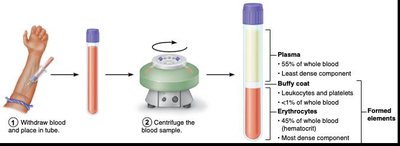
Plasma: The liquid matrix (about 55% of blood volume).
Formed Elements: Cells and cell fragments (about 45% of blood volume), including erythrocytes (red blood cells), leukocytes (white blood cells), and platelets.
Blood volume in adults is typically 4–6 liters, accounting for ~8% of body weight. Blood is more viscous than water and has a slightly alkaline pH (7.35–7.45).
Blood Plasma
Composed of 92% water, 7% proteins, and 1% other solutes (nutrients, wastes, hormones, gases).
Major plasma proteins: Albumin (maintains osmotic pressure), Globulins (immune function, transport), and Fibrinogen (clotting).
How Blood is Produced
Hematopoiesis
The continuous production of blood cells is called hematopoiesis. It occurs primarily in the red bone marrow, producing billions of platelets, erythrocytes, and leukocytes daily.
Erythrocytes (Red Blood Cells)
Structure and Function
Most abundant formed element; critical for oxygen transport.
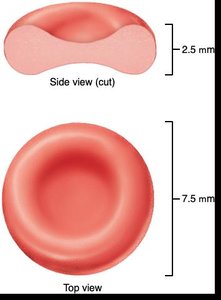
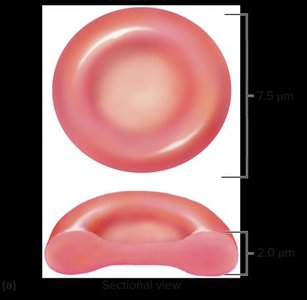
Biconcave disc shape increases surface area for gas exchange.
Lack nuclei and most organelles, allowing more room for hemoglobin.
Hemoglobin
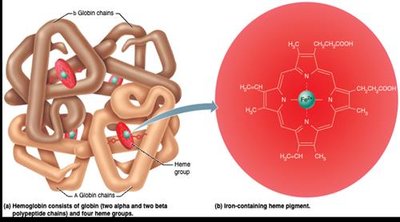
Iron-containing protein that binds oxygen and carbon dioxide.
Each hemoglobin molecule can carry four oxygen molecules.
Life Cycle of Erythrocytes
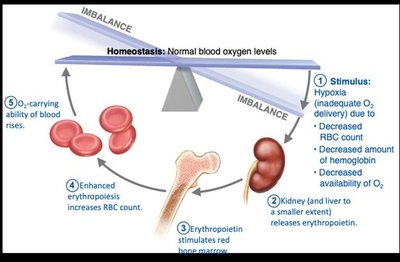
Produced via erythropoiesis from hematopoietic stem cells.
Average lifespan is about 120 days; old cells are removed by the spleen and liver.
Disorders: Sickle-Cell Anemia
Caused by a mutation in the hemoglobin gene, resulting in abnormal, sickle-shaped erythrocytes.
Leads to impaired oxygen transport and increased risk of clotting.
Leukocytes (White Blood Cells)
Structure and Function
Defend the body against infection and foreign substances.
Reside mainly in connective tissues but travel via the bloodstream.

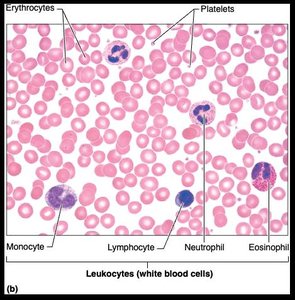
Types of Leukocytes
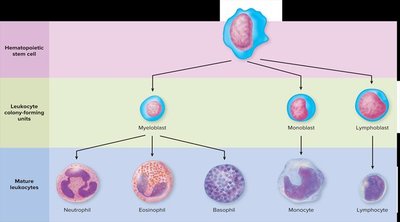
Granulocytes: Neutrophils, eosinophils, basophils (contain visible granules).
Agranulocytes: Lymphocytes, monocytes (lack visible granules).
Leukocyte Life Cycle
Produced by leukopoiesis from hematopoietic stem cells.
Life span varies from hours to years depending on type.
Leukocyte Disorders
Leukemias: Cancers involving overproduction of abnormal WBCs.
Infectious mononucleosis: Viral disease causing excess lymphocytes.
Platelets and Control of Bleeding
Platelet Structure and Function
Small fragments of megakaryocytes; second most abundant formed element.
Essential for blood clotting (hemostasis).
Hemostasis: Control of Bleeding
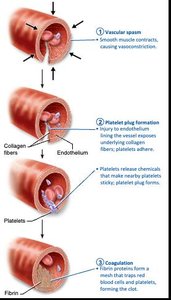
Three stages: vascular spasm, platelet plug formation, coagulation (clotting).
Coagulation involves the conversion of fibrinogen to fibrin, forming a stable clot.
Agglutination vs. Coagulation
Coagulation: Blood cells and platelets stick together via fibrin.
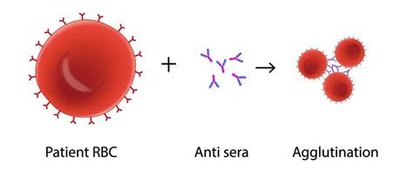
Agglutination: RBCs stick together due to antibodies binding to antigens.
Blood Types and Transfusion
ABO Blood Groups
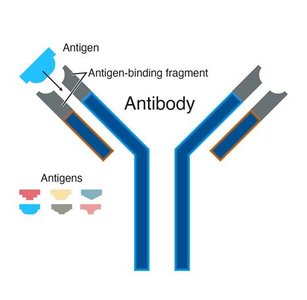
Determined by presence or absence of A and B antigens on RBCs.
Type A: A antigens, anti-B antibodies; Type B: B antigens, anti-A antibodies; Type AB: both antigens, no antibodies; Type O: no antigens, both antibodies.
Rh Factor
Rh antigen present (+) or absent (−); important in transfusions and pregnancy.
Rh-negative individuals produce antibodies only after exposure to Rh-positive blood.
Transfusion Principles
Universal donor: Type O (no antigens).
Universal recipient: Type AB (no antibodies).
Transfusing incompatible blood can cause fatal reactions due to agglutination.
Summary Table: Major Blood Components
Component | Percentage of Blood | Main Function |
|---|---|---|
Plasma | ~55% | Transport of nutrients, wastes, hormones; maintains osmotic balance |
Erythrocytes | ~45% | Oxygen and carbon dioxide transport |
Leukocytes | <1% | Immune defense |
Platelets | <1% | Blood clotting |
Additional info: The notes above expand on the provided outline with academic context, definitions, and examples, ensuring a comprehensive and exam-ready summary of blood in the circulatory system.
