 뒤로
뒤로The Endocrine System: Structure, Function, and Regulation
스터디 가이드 - 스마트 노트
 자료에 맞춘 맞춤형 노트, 핵심 정의, 예시, 맥락을 확장해 제공합니다.
The Endocrine System: Overview
Major Control Systems of the Body
The endocrine system is one of the body's two major control systems, interacting with the nervous system to coordinate and integrate the activity of most body cells. It uses hormones—chemical messengers transported in blood—to influence metabolic activities. Endocrine responses are slower but longer lasting than nervous system responses.
Endocrinology: Study of hormones and endocrine organs.
Key Functions: Reproduction, growth and development, maintenance of electrolyte, water, and nutrient balance, regulation of cellular metabolism and energy balance, mobilization of body defenses.
Comparison of Nervous and Endocrine Systems
The nervous and endocrine systems differ in their signaling mechanisms and effects.
Feature | Nervous System | Endocrine System |
|---|---|---|
Response Initiation | Rapid | Slow |
Duration | Short | Long |
Signal Type | Action potentials, neurotransmitters | Hormones in blood |
Target Location | Specific (axon pathways) | Diffuse (anywhere blood reaches) |
Signal Strength | Frequency of action potentials | Hormone concentration |
Endocrine vs. Exocrine Glands
Exocrine glands: Produce nonhormonal substances (e.g., sweat, saliva); have ducts.
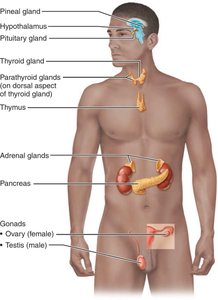
Endocrine glands: Produce hormones; ductless; hormones secreted directly into extracellular fluid. Includes pituitary, thyroid, parathyroid, adrenal, and pineal glands.
Neuroendocrine organ: Hypothalamus.
Other hormone-producing organs: Pancreas, gonads, placenta, stomach, intestine, heart, kidneys, skin, thymus, bone, adipose tissue.
Hormone Structure and Action
Chemical Classes of Hormones
The chemical structure of a hormone determines its solubility in water, transport in blood, degradation rate, and receptor interaction.
Amino acid–based hormones: Includes derivatives, peptides, and proteins; water soluble (except thyroxine); cannot cross plasma membrane.
Steroid hormones: Synthesized from cholesterol; lipid soluble; can cross plasma membrane; includes gonadal and adrenocortical hormones.
Eicosanoids: Sometimes considered hormones, but mostly classified as paracrines/autocrines due to localized effects.
Hormone Mechanisms of Action
Hormones act through second messengers or by activating specific genes, depending on their chemical nature and receptor location.
Water-soluble hormones: Act on plasma membrane receptors; most use G proteins and second messengers (e.g., cAMP, PIP2-calcium).
Lipid-soluble hormones: Act on intracellular receptors; directly activate genes.
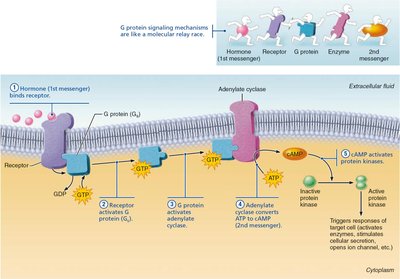
Cyclic AMP (cAMP) Signaling Mechanism
Water-soluble hormones (except thyroid hormone) exert effects through second-messenger systems such as cAMP.
Hormone binds to receptor.
Receptor activates G protein.
G protein activates adenylate cyclase.
Adenylate cyclase converts ATP to cAMP.
cAMP activates protein kinases, which phosphorylate other proteins.
Direct Gene Activation by Lipid-Soluble Hormones
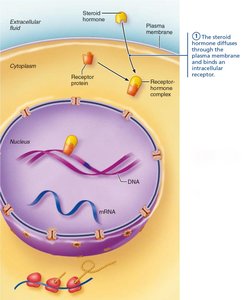
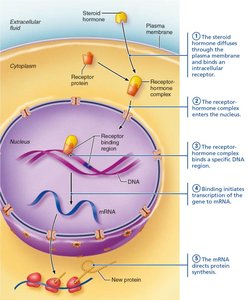
Lipid-soluble hormones diffuse into target cells, bind intracellular receptors, and initiate transcription of specific genes.
Receptor-hormone complex enters nucleus and binds DNA.
Triggers transcription to produce mRNA, which is translated into protein.
Regulation of Hormone Release
Types of Stimuli
Hormone release is controlled by negative feedback and triggered by three types of stimuli:
Humoral stimuli: Changing blood levels of ions/nutrients stimulate hormone release (e.g., low Ca2+ triggers PTH release).
Neural stimuli: Nerve fibers stimulate hormone release (e.g., sympathetic fibers stimulate adrenal medulla).
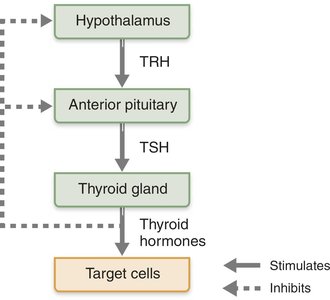
Hormonal stimuli: Hormones stimulate other endocrine organs to release their hormones (e.g., hypothalamic hormones regulate pituitary hormones).
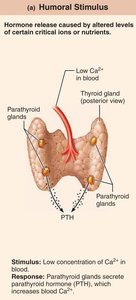
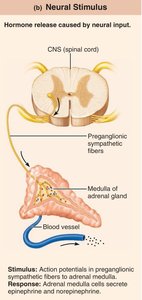
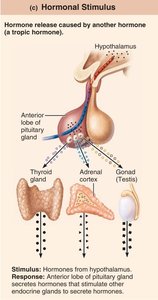
Hypothalamus and Pituitary Gland
Anatomy and Function
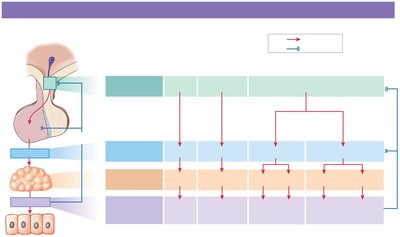
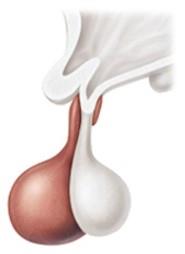
The hypothalamus controls release of hormones from the pituitary gland in two ways. The pituitary has two major lobes:
Posterior pituitary (neurohypophysis): Neural tissue; stores and secretes oxytocin and ADH.
Anterior pituitary (adenohypophysis): Glandular tissue; manufactures and secretes six hormones.
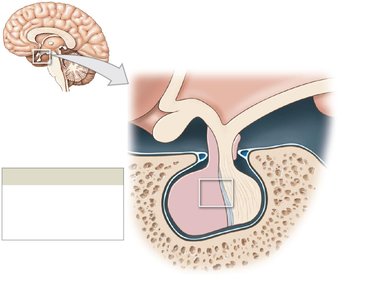
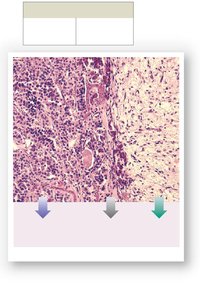
Hypothalamic Control Mechanisms
Production of ADH and oxytocin (posterior pituitary).
Secretion of regulatory hormones to control anterior pituitary.
Control of sympathetic output to adrenal medulla.
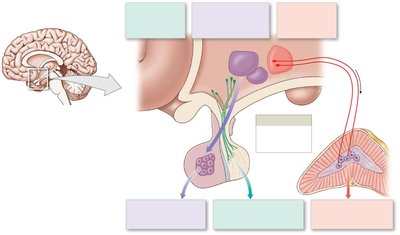
Pituitary-Hypothalamic Relationships
Posterior pituitary contains axon terminals of hypothalamic neurons; anterior pituitary is connected via the hypophyseal portal system.
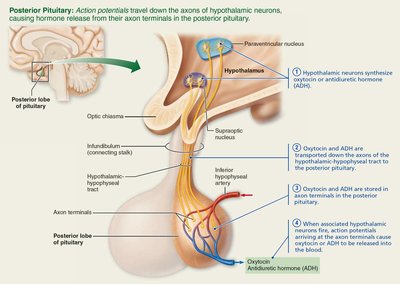
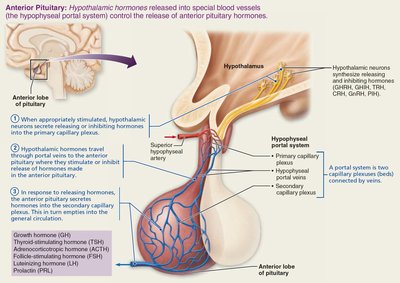
Pituitary Hormones
Posterior Pituitary Hormones
Oxytocin: Stimulates uterine contractions and milk ejection; uses PIP2-calcium second messenger system; acts as neurotransmitter.
Antidiuretic hormone (ADH): Signals kidneys to reabsorb water; high concentrations cause vasoconstriction (vasopressin); inhibited by alcohol.
Anterior Pituitary Hormones
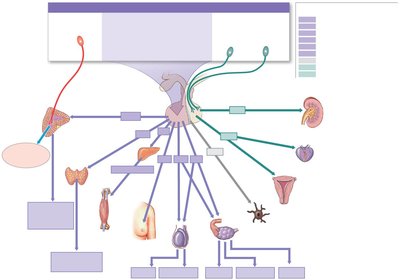
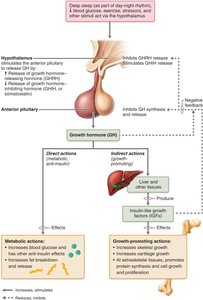
Growth hormone (GH): Direct actions on metabolism; indirect actions via IGFs for growth.
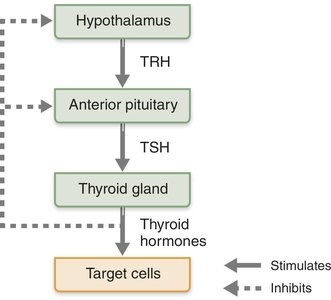
Thyroid-stimulating hormone (TSH): Stimulates thyroid hormone release.
Adrenocorticotropic hormone (ACTH): Stimulates adrenal cortex to release corticosteroids.
Follicle-stimulating hormone (FSH): Stimulates gamete production.
Luteinizing hormone (LH): Promotes production of gonadal hormones.
Prolactin (PRL): Stimulates milk production.
The Thyroid Gland
Location and Structure
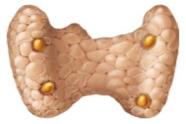
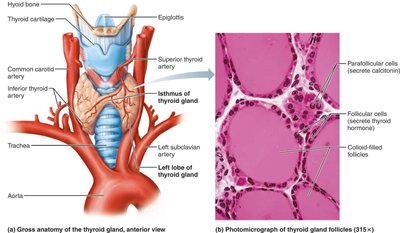
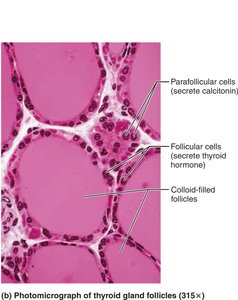
The thyroid gland is butterfly-shaped, located on the anterior trachea, and consists of follicles filled with colloid. Follicular cells produce thyroglobulin; parafollicular cells produce calcitonin.
Thyroid Hormone (TH)
Forms: T4 (thyroxine) and T3 (triiodothyronine).
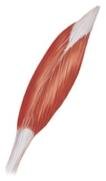
Effects: Increases basal metabolic rate, regulates tissue growth, development, and blood pressure.
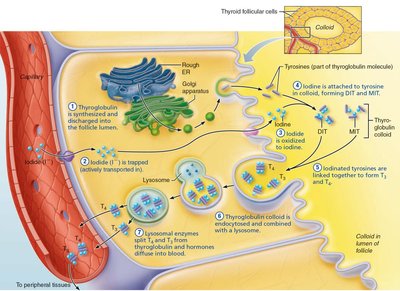
Synthesis: Involves thyroglobulin, iodide uptake, oxidation, attachment to tyrosine, and release of T3 and T4.
Thyroid Disorders
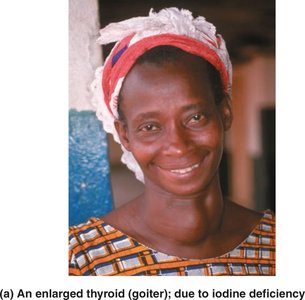
Hypothyroidism: Myxedema, goiter (iodine deficiency), congenital hypothyroidism.
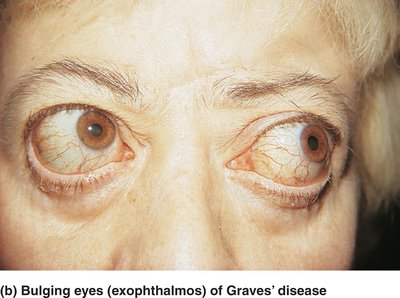
Hyperthyroidism: Graves' disease (autoimmune, exophthalmos).
Calcitonin
Produced by parafollicular cells in response to high blood Ca2+ levels; inhibits osteoclast activity and stimulates Ca2+ uptake into bone.
The Parathyroid Glands
Regulation of Blood Calcium
Four tiny parathyroid glands embedded in the thyroid secrete parathyroid hormone (PTH), the primary regulator of blood Ca2+ levels.
PTH effects: Stimulates osteoclasts, enhances Ca2+ reabsorption in kidneys, promotes activation of vitamin D for increased intestinal absorption.
The Adrenal Glands
Structure and Function
Adrenal glands are pyramid-shaped organs on the kidneys, consisting of the adrenal cortex (three layers) and adrenal medulla.
Adrenal cortex: Produces corticosteroids—mineralocorticoids (aldosterone), glucocorticoids (cortisol), and gonadocorticoids (androgens).
Adrenal medulla: Produces catecholamines (epinephrine, norepinephrine).
The Pineal Gland
Melatonin Secretion
The pineal gland secretes melatonin, which regulates sleep-wake cycles and may prevent oxidative damage within cells.
The Pancreas
Structure and Function
The pancreas is a mixed gland with both exocrine and endocrine functions. Endocrine cells in pancreatic islets produce insulin (beta cells) and glucagon (alpha cells), which regulate blood glucose levels antagonistically.
The Gonads and Placenta
Hormone Production
Ovaries: Produce estrogens, progesterone, and inhibin.
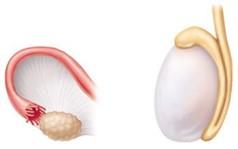
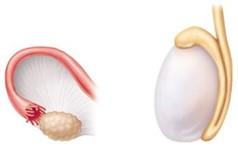
Testes: Produce testosterone and inhibin.
Placenta: Temporary endocrine organ during pregnancy; secretes estrogens, progesterone, and hCG.
Hormone Secretion by Other Organs
Examples
Adipose tissue: Leptin, resistin, adiponectin.
GI tract: Gastrin, ghrelin, secretin, CCK.
Heart: ANP, BNP.
Kidneys: Erythropoietin, renin.
Skeleton: Osteocalcin.
Skin: Cholecalciferol (vitamin D precursor).
Thymus: Thymosins, thymulin, thymopoietins.
Developmental Aspects and Environmental Effects
Development and Aging
Hormone-producing glands arise from all three primary germ layers.
GH, estrogen, testosterone, and TH levels decline with age.
Glucose tolerance deteriorates with age; PTH levels remain constant but bone vulnerability increases in older women.
Environmental Pollutants
Exposure to chemicals and pollutants can disrupt hormone function, affecting sex hormones, thyroid hormone, and glucocorticoids.
