 뒤로
뒤로The Endocrine System: Structure, Function, and Hormonal Regulation
스터디 가이드 - 스마트 노트
 자료에 맞춘 맞춤형 노트, 핵심 정의, 예시, 맥락을 확장해 제공합니다.
Chapter 16: The Endocrine System
Overview of the Endocrine System
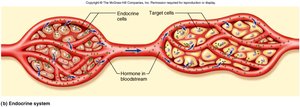
The endocrine system is a network of glands that secrete chemical messengers called hormones into the bloodstream. These hormones regulate various physiological processes by acting on target cells throughout the body.
Endocrine glands: Ductless glands that release hormones directly into the blood.
Exocrine glands: Glands with ducts that secrete substances onto epithelial surfaces.
Target cells: Cells with specific receptors for a particular hormone.
Paracrines: Local hormones that act on nearby cells (e.g., histamine, some pancreatic and GI tract hormones).
Major Endocrine Organs
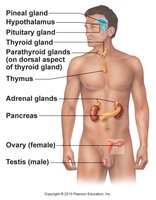
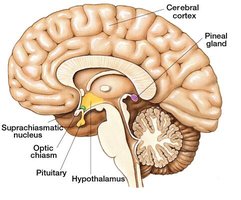
Hypothalamus: Located in the brain, it regulates many endocrine functions via the pituitary gland.
Pituitary gland (Hypophysis): Suspended from the hypothalamus by the infundibulum; consists of anterior (adenohypophysis) and posterior (neurohypophysis) lobes.
Thyroid gland: Located below the larynx; regulates metabolism.
Adrenal glands: Sit atop the kidneys; produce steroid and catecholamine hormones.
Other glands: Parathyroid, pineal, pancreas, ovaries, testes, etc.
Hormonal Regulation and Pituitary Gland
Hypothalamic-Pituitary Axis
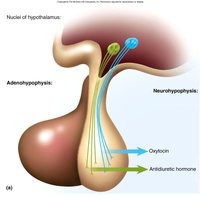
The hypothalamus controls the pituitary gland through releasing and inhibitory hormones. The anterior pituitary (adenohypophysis) produces tropic hormones that regulate other endocrine glands, while the posterior pituitary (neurohypophysis) stores and releases hormones made in the hypothalamus.
Releasing factors: Stimulate anterior pituitary hormone secretion.
Inhibitory factors: Inhibit anterior pituitary hormone secretion.
Tropic hormones: Hormones that regulate other endocrine glands.
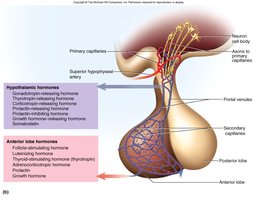
Anterior Pituitary Hormones
The anterior pituitary secretes several key hormones, each with specific target organs and physiological effects.
Follicle Stimulating Hormone (FSH): Stimulates ovarian follicle development and estrogen production in females; sperm production in males.
Luteinizing Hormone (LH): Triggers ovulation and stimulates estrogen/progesterone production in females; stimulates testosterone production in males.
Thyroid Stimulating Hormone (TSH): Stimulates the thyroid gland to produce thyroid hormones (T3 and T4).
Adrenocorticotropic Hormone (ACTH): Stimulates the adrenal cortex to produce glucocorticoids (mainly cortisol).
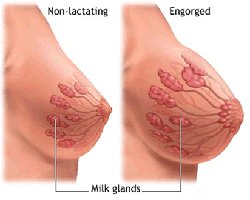
Prolactin (PRL): Promotes milk production in mammary glands.
Growth Hormone (hGH): Stimulates growth of bones, muscles, and other tissues; promotes protein synthesis and lipolysis.
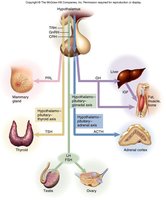
FSH and LH: Gonadotropins
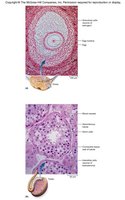
FSH: Essential for sexual maturation and fertility.
LH: Triggers ovulation and hormone production in gonads.
TSH and the Thyroid Gland
Thyroid gland: Located anterior and lateral to the trachea, consists of two lobes connected by an isthmus.
Thyroid hormones (T3, T4): Increase basal metabolic rate, oxygen consumption, heart rate, and stimulate growth.
Calcitonin: Lowers blood calcium by promoting bone formation.
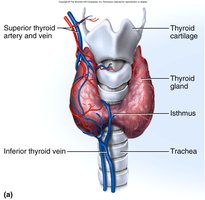
Disorders of TSH Secretion
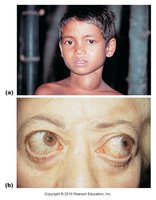
Hyposecretion: Congenital hypothyroidism (cretinism), myxedema in adults (swelling, low metabolism).
Hypersecretion: Endemic goiter (iodine deficiency), Grave’s disease (autoimmune hyperthyroidism).

ACTH and the Adrenal Glands
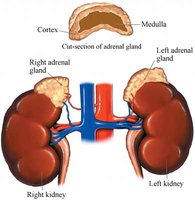
Adrenal cortex: Produces steroid hormones (mineralocorticoids, glucocorticoids, sex hormones).
Adrenal medulla: Produces catecholamines (epinephrine, norepinephrine) for fight-or-flight response.
ACTH: Stimulates cortisol production, which increases blood sugar, blood pressure, and suppresses the immune system.
Disorders of ACTH Secretion
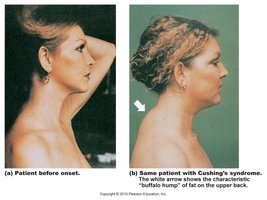
Hypersecretion: Cushing syndrome (muscle/bone loss, fat redistribution), adrenogenital syndrome (androgen excess).
Hyposecretion: Addison’s disease (bronzed skin, weakness, low blood pressure).

Prolactin (PRL)
Stimulates milk production in females; may affect reproductive function in males.
Levels peak during pregnancy.
Growth Hormone (hGH)
Promotes growth of bone, cartilage, muscle, and fat.
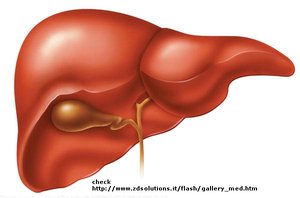
Stimulates production of insulin-like growth factors (IGFs) in the liver.
Levels fluctuate with sleep, diet, and exercise.
Disorders of Growth Hormone Secretion
Hypersecretion in childhood: Gigantism (excessive growth).
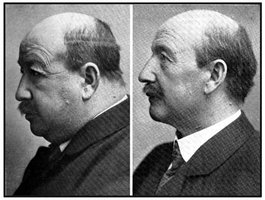
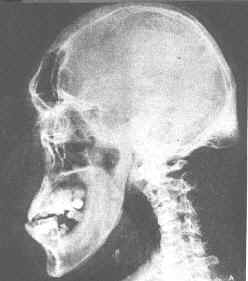
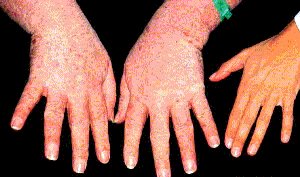
Hypersecretion in adulthood: Acromegaly (thickening of bones in jaw, hands, feet).
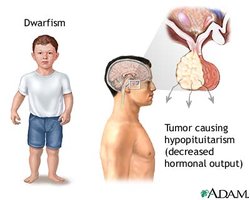
Hyposecretion: Pituitary dwarfism (short stature).




Posterior Pituitary Hormones (Neurohypophysis)
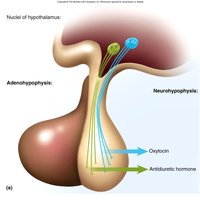
The posterior pituitary stores and releases hormones produced by the hypothalamus: oxytocin (OT) and antidiuretic hormone (ADH).
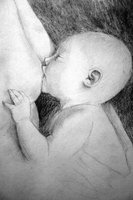
Oxytocin (OT): Stimulates uterine contractions during labor and milk ejection during breastfeeding; may play a role in emotional bonding.
Antidiuretic Hormone (ADH): Promotes water reabsorption in the kidneys, reducing urine output and increasing blood pressure.
Oxytocin
Acts on uterus and mammary glands.
Essential for labor, delivery, and milk let-down.
Disorders of Oxytocin Secretion
Hypersecretion: Early labor, overproduction of milk.
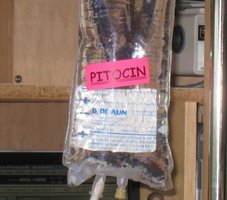
Hyposecretion: Non-progression of labor, lack of milk let-down (may require synthetic oxytocin, e.g., pitocin).
Antidiuretic Hormone (ADH)
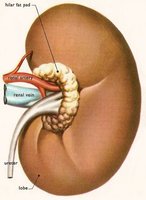
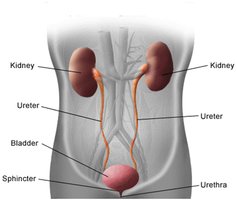
Acts on the kidneys to increase water reabsorption.
Reduces urine output, increases blood pressure, and inhibits sweat glands.
Part of the Renin-Angiotensin-Aldosterone System (RAAS).
Disorders of ADH Secretion
Hyposecretion: Diabetes insipidus (excessive urine output, dehydration).
Hypersecretion: Water retention, concentrated urine.
Regulation of the Endocrine System
Feedback Mechanisms
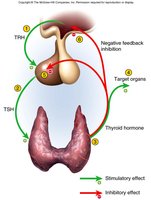
Negative feedback: Increased hormone levels from target organs inhibit further hormone release from the pituitary (e.g., thyroid hormone inhibits TSH release).
Positive feedback: Hormone release is stimulated by physiological changes (e.g., uterine stretching increases oxytocin release during labor).
Summary Table: Major Pituitary Hormones
Hormone | Target Organ(s) | Main Action(s) | Disorders (Hyper/Hypo) |
|---|---|---|---|
FSH | Ovaries/Testes | Gamete production, estrogen/testosterone | Precocious puberty/Infertility |
LH | Ovaries/Testes | Ovulation, sex hormone production | Premature puberty/Infertility |
TSH | Thyroid gland | Stimulates T3/T4 release | Goiter, Grave's/Cretinism, Myxedema |
ACTH | Adrenal cortex | Stimulates cortisol | Cushing's/Addison's |
PRL | Mammary glands | Milk production | Galactorrhea/Amenorrhea |
hGH | Many tissues | Growth, protein synthesis | Gigantism, Acromegaly/Dwarfism |
OT | Uterus, breasts | Labor, milk let-down | Early labor/No milk let-down |
ADH | Kidneys | Water retention | SIADH/Diabetes insipidus |
Additional info: This summary integrates textbook-level explanations, clinical correlations, and visual aids to reinforce understanding of endocrine system structure, function, and regulation.
