 뒤로
뒤로The Endocrine System: Structure, Function, and Hormonal Regulation
스터디 가이드 - 스마트 노트
 자료에 맞춘 맞춤형 노트, 핵심 정의, 예시, 맥락을 확장해 제공합니다.
Chapter 16: The Endocrine System
Overview of the Endocrine System
The endocrine system is a network of glands that secrete chemical messengers called hormones into the bloodstream. These hormones regulate various physiological processes by acting on target organs and tissues throughout the body.
Endocrine glands: Ductless glands that release hormones directly into the blood.
Exocrine glands: Glands with ducts that secrete substances onto epithelial surfaces.
Target cells: Cells with specific receptors for a particular hormone.
Paracrines (local hormones): Chemicals that act on nearby cells within the same tissue (e.g., histamine, hormones in the pancreas and GI tract).

Major Endocrine Glands and Their Locations
The major endocrine glands include the pituitary, thyroid, parathyroid, adrenal glands, pancreas, ovaries, and testes. Each gland produces specific hormones that regulate body functions.
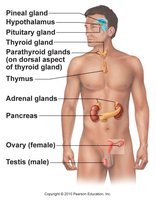
Hypothalamus and Pituitary Gland
Hypothalamus
The hypothalamus is a region of the brain that forms the floor and walls of the third ventricle. It plays a central role in regulating the endocrine system by controlling the pituitary gland.
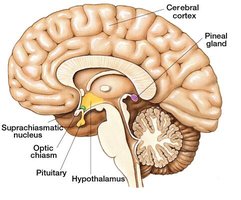
Pituitary Gland (Hypophysis)
The pituitary gland is suspended from the hypothalamus by the infundibulum (stalk). It consists of two main parts:
Adenohypophysis (anterior pituitary): Arises from the pharynx and produces several hormones under hypothalamic control.
Neurohypophysis (posterior pituitary): Arises from the brain and stores hormones produced by the hypothalamus.
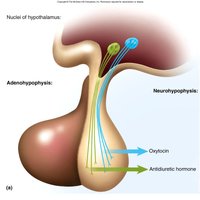
Hypothalamic Control of the Pituitary
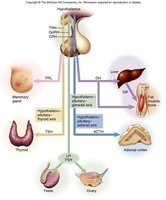
The hypothalamus regulates the anterior pituitary via releasing and inhibitory hormones transported through the hypophyseal portal system. The anterior pituitary secretes tropic hormones that influence other endocrine glands.
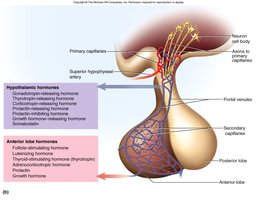
Anterior Pituitary Hormones
The anterior pituitary produces several key hormones, each with specific target organs and actions. Disorders can result from hypersecretion (excess) or hyposecretion (deficiency) of these hormones.
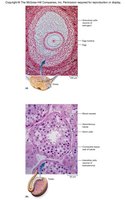
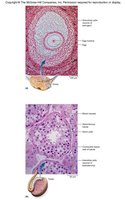
Follicle Stimulating Hormone (FSH): Stimulates ovarian follicle development and estrogen production in females; stimulates sperm production in males.
Luteinizing Hormone (LH): Triggers ovulation and stimulates estrogen/progesterone production in females; stimulates testosterone production in males.
Thyroid Stimulating Hormone (TSH): Stimulates the thyroid gland to produce thyroid hormones (T3 and T4).
Adrenocorticotropic Hormone (ACTH): Stimulates the adrenal cortex to produce glucocorticoids (mainly cortisol).
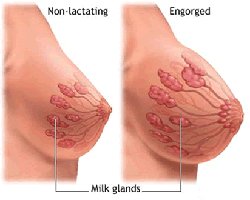
Prolactin (PRL): Stimulates milk production in mammary glands.
Growth Hormone (hGH): Promotes growth of bones, muscles, and other tissues.
FSH and LH: Gonadotropins
FSH: Essential for sexual maturation and fertility.
LH: Triggers ovulation and hormone production in gonads.
TSH and the Thyroid Gland
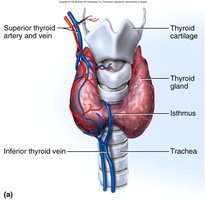
The thyroid gland is located below the larynx and consists of two lobes connected by an isthmus. TSH stimulates the release of T3 (triiodothyronine) and T4 (thyroxine), which regulate metabolism, growth, and development. Calcitonin is also produced by the thyroid and helps regulate blood calcium levels.
Thyroid Hormone Disorders
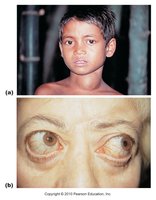
Hyposecretion: Congenital hypothyroidism (cretinism), myxedema in adults (swelling, low metabolism, weight gain).
Hypersecretion: Endemic goiter (iodine deficiency), Grave’s disease (autoimmune hyperthyroidism, exophthalmos).

ACTH and the Adrenal Glands
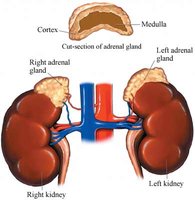
The adrenal glands are located atop the kidneys and consist of an outer cortex and inner medulla. The cortex produces steroid hormones (mineralocorticoids, glucocorticoids, sex hormones), while the medulla produces catecholamines (epinephrine and norepinephrine).
Mineralocorticoids (aldosterone): Regulate electrolyte balance.
Glucocorticoids (cortisol): Regulate metabolism, stress response, and immune suppression.
Sex hormones: Androgens and estrogens.
Medulla: Produces epinephrine and norepinephrine for the fight-or-flight response.
ACTH Disorders
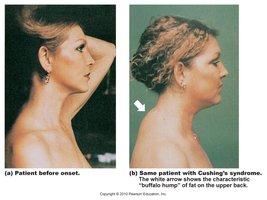
Hypersecretion: Cushing syndrome (excess cortisol, muscle/bone loss, fat redistribution), adrenogenital syndrome (androgen excess).
Hyposecretion: Addison’s disease (bronzed skin, weakness, low blood pressure, inability to handle stress).

Prolactin (PRL)
Prolactin stimulates milk production in the mammary glands, especially during pregnancy. It also influences reproductive behavior.
Growth Hormone (hGH)
Growth hormone promotes growth of bones, cartilage, and muscle, especially during childhood and adolescence. It also stimulates protein synthesis and lipolysis.
Hypersecretion in childhood: Gigantism (excessive growth).
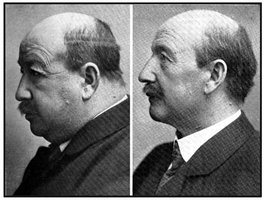
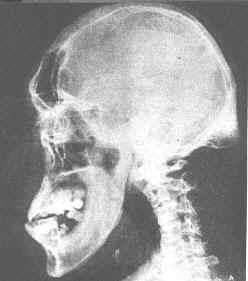
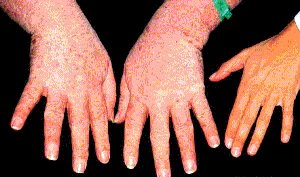
Hypersecretion in adulthood: Acromegaly (thickening of bones in jaw, hands, feet).
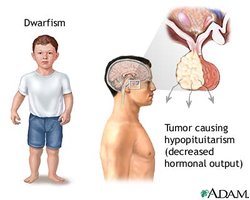
Hyposecretion: Pituitary dwarfism (short stature).




Posterior Pituitary (Neurohypophysis) Hormones
Oxytocin (OT)
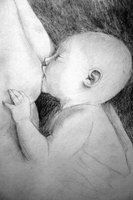
Oxytocin is produced in the hypothalamus and released by the posterior pituitary. It stimulates uterine contractions during labor and milk ejection during breastfeeding. It may also play a role in emotional bonding.
Antidiuretic Hormone (ADH)
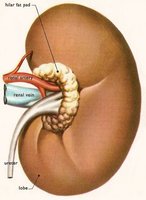
ADH (vasopressin) promotes water reabsorption in the kidneys, reducing urine output and helping to maintain blood pressure. It is part of the Renin-Angiotensin-Aldosterone System (RAAS).
Hyposecretion: Diabetes insipidus (excessive urination, dehydration).
Hypersecretion: Water retention, concentrated urine.
Summary Table: Major Anterior Pituitary Hormones
Hormone | Target Organ(s) | Main Action(s) | Disorders |
|---|---|---|---|
FSH | Ovaries, Testes | Follicle/sperm development, estrogen production | Precocious puberty, infertility |
LH | Ovaries, Testes | Ovulation, estrogen/progesterone/testosterone production | Premature sexual maturity, infertility |
TSH | Thyroid gland | Stimulates thyroid hormone release | Goiter, hypothyroidism, hyperthyroidism |
ACTH | Adrenal cortex | Stimulates cortisol production | Cushing syndrome, Addison's disease |
PRL | Mammary glands | Milk production | Inappropriate lactation, infertility |
hGH | Most tissues | Growth, protein synthesis, lipolysis | Gigantism, acromegaly, dwarfism |
Key Equations and Feedback Mechanisms
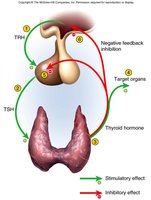
Negative Feedback Regulation: Most endocrine glands are regulated by negative feedback loops. For example, increased thyroid hormone levels inhibit TSH and TRH release.
Example equation for negative feedback:
Additional info: The endocrine system interacts closely with the nervous system to maintain homeostasis. Disorders of hormone secretion can have widespread effects on growth, metabolism, reproduction, and stress response.
