 뒤로
뒤로The Endocrine System: Structure, Function, and Hormonal Regulation
스터디 가이드 - 스마트 노트
 자료에 맞춘 맞춤형 노트, 핵심 정의, 예시, 맥락을 확장해 제공합니다.
Endocrine System Overview
Introduction to the Endocrine System
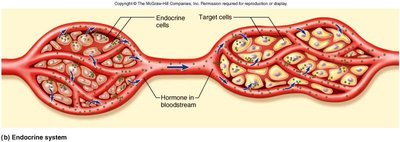
The endocrine system is a network of glands that produce and secrete hormones directly into the bloodstream. These hormones act as chemical messengers, regulating various physiological processes by targeting specific cells throughout the body.
Endocrine glands: Ductless glands that release hormones into the blood.
Exocrine glands: Glands with ducts that secrete substances onto epithelial surfaces.
Target cells: Cells with specific receptors for a given hormone.
Paracrines: Local hormones that act on nearby cells (e.g., histamine, hormones in the pancreas and GI tract).
Major Endocrine Organs
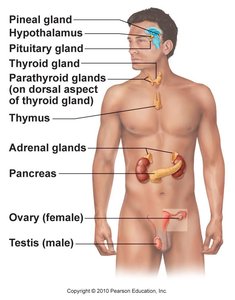
The major endocrine glands are distributed throughout the body and include the hypothalamus, pituitary gland, thyroid gland, parathyroid glands, adrenal glands, pancreas, ovaries, and testes.
Hypothalamus and Pituitary Gland
Hypothalamus
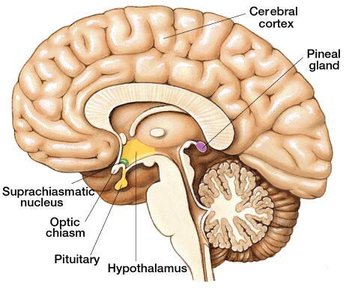
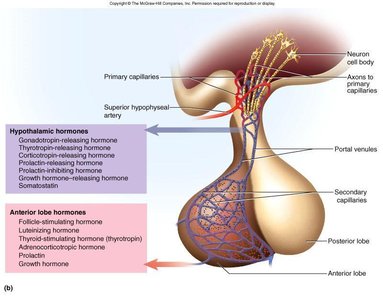
The hypothalamus is a region of the brain that forms the floor and walls of the third ventricle. It plays a central role in regulating the endocrine system by controlling the pituitary gland.
Acts as a link between the nervous and endocrine systems.
Produces releasing and inhibiting hormones that regulate pituitary function.
Pituitary Gland (Hypophysis)
The pituitary gland is suspended from the hypothalamus by a stalk called the infundibulum. It consists of two main lobes:
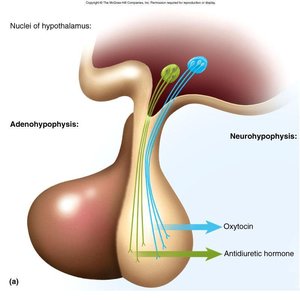
Adenohypophysis (anterior pituitary): Arises from the pharynx and produces several hormones under hypothalamic control.
Neurohypophysis (posterior pituitary): Arises from the brain and stores hormones produced by the hypothalamus.
Regulation of the Adenohypophysis
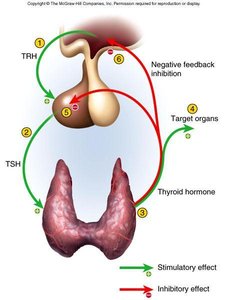
The anterior pituitary is regulated by hypothalamic hormones delivered via the hypophyseal portal system. These include releasing and inhibitory factors that control the secretion of anterior pituitary hormones, many of which are tropic hormones (influence other endocrine glands).
Anterior Pituitary Hormones
Follicle Stimulating Hormone (FSH)
FSH is essential for sexual maturation and reproductive function.
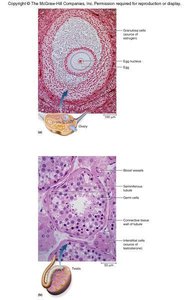
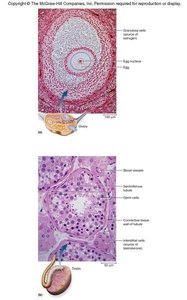
In females: Stimulates ovarian follicle development and estrogen production.
In males: Stimulates sperm production in the testes.
Disorders:
Hypersecretion: Precocious puberty in children, early menopause in women.
Hyposecretion: Failure of sexual maturity in children, infertility in adults.
Luteinizing Hormone (LH)
LH is crucial for reproductive hormone production and ovulation.
In females: Stimulates ovulation and production of estrogen and progesterone.
In males: Stimulates testosterone production in the testes.
Disorders:
Hypersecretion: Premature sexual maturity.
Hyposecretion: Inhibited sexual maturation, infertility.
Thyroid Stimulating Hormone (TSH)
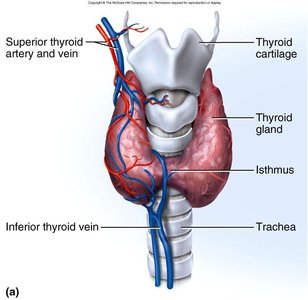
TSH stimulates the thyroid gland to produce thyroid hormones (T3 and T4), which regulate metabolism, growth, and development.
Thyroid gland: Located below the larynx, consists of two lobes connected by an isthmus.
Thyroid hormones: Increase basal metabolic rate, oxygen consumption, heart rate, and stimulate growth.
Calcitonin: Lowers blood calcium by promoting bone formation.
TSH Disorders
Hyposecretion:
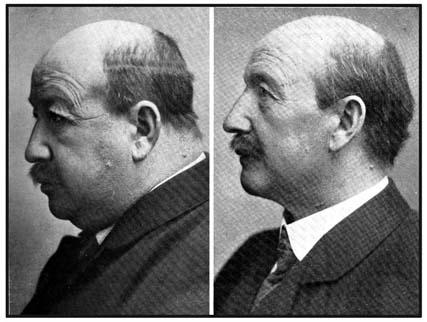
Congenital hypothyroidism (cretinism): Abnormal bone development, brain damage.
Myxedema (adults): Swollen facial tissues, low metabolic rate, lethargy, weight gain, cold sensitivity.

Hypersecretion:
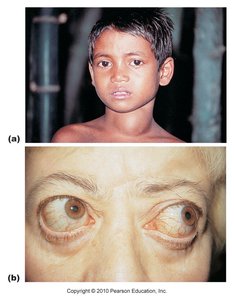
Endemic goiter: Iodine deficiency leads to thyroid enlargement.
Grave’s Disease: Autoimmune disorder causing hyperthyroidism, exophthalmos (bulging eyes), weight loss, anxiety, and goiter.
Adrenocorticotropic Hormone (ACTH)
ACTH stimulates the adrenal cortex to produce glucocorticoids, mainly cortisol, which is involved in stress response, metabolism, and immune suppression.
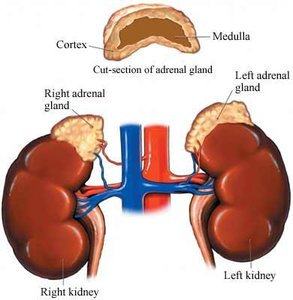
Adrenal cortex: Produces steroid hormones (mineralocorticoids, glucocorticoids, sex hormones).
Adrenal medulla: Produces catecholamines (epinephrine and norepinephrine) for the fight-or-flight response.
ACTH Disorders
Hypersecretion:
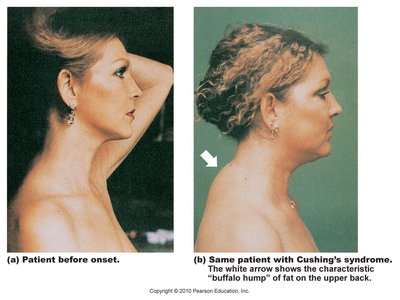
Cushing Syndrome: Excess cortisol, muscle and bone loss, fat redistribution (moon face, buffalo hump), hyperglycemia, hypertension.
Adrenogenital Syndrome (AGS): Androgen excess, masculinization in women, early puberty in children.
Hyposecretion:
Addison’s Disease: Bronzed skin, muscle weakness, low blood pressure, dehydration, inability to handle stress.

Prolactin (PRL)
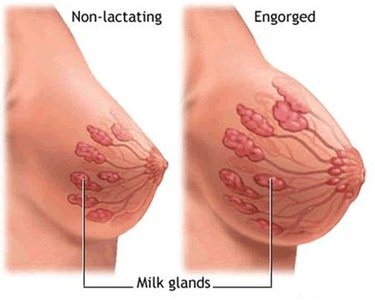
Prolactin stimulates milk production in the mammary glands and is involved in maternal behavior.
Levels peak during pregnancy.
Disorders:
Hypersecretion: Inappropriate milk production, amenorrhea, impotence in males.
Hyposecretion: Lack of milk production.
Growth Hormone (hGH)
Growth hormone promotes growth of bones, muscles, and other tissues, especially during childhood and adolescence. It also stimulates protein synthesis and lipolysis.
Stimulates growth at epiphyseal plates in children.
In adults, increases osteoblastic activity and maintains tissue repair.
Levels fluctuate with sleep, diet, and exercise.
Growth Hormone Disorders
Hypersecretion in childhood: Gigantism (excessive growth).
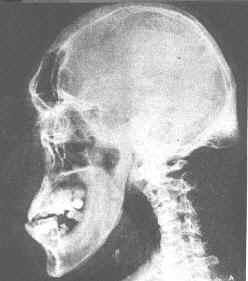
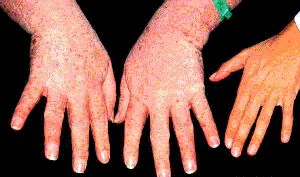
Hypersecretion in adulthood: Acromegaly (thickening of bones in jaw, hands, feet).
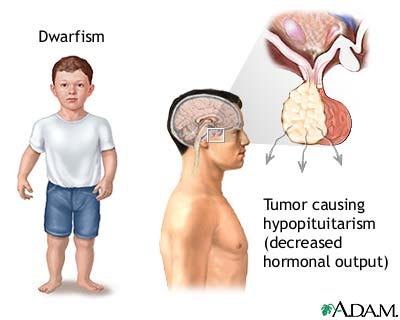
Hyposecretion: Pituitary dwarfism (proportionate short stature).




Posterior Pituitary Hormones (Neurohypophysis)
Hormones of the Neurohypophysis
The posterior pituitary stores and releases hormones produced by the hypothalamus: oxytocin (OT) and antidiuretic hormone (ADH).
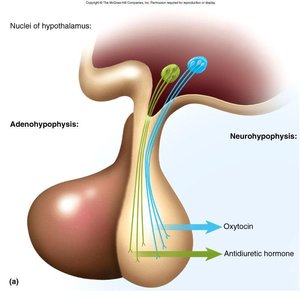
Oxytocin (OT)
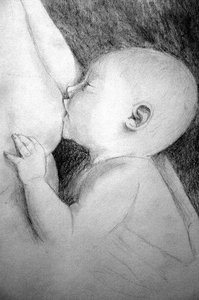
Oxytocin targets the uterus and breasts, causing uterine contractions during labor and milk ejection during breastfeeding. It may also play a role in emotional bonding and sperm transport.
Disorders:
Hypersecretion: Early labor, overproduction of milk.
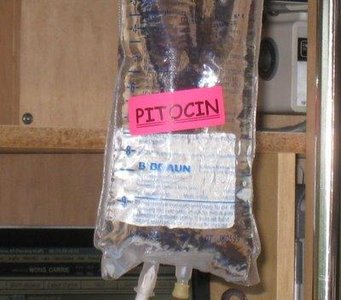
Hyposecretion: Non-progression of labor, no milk let down (treated with synthetic oxytocin, pitocin).
Antidiuretic Hormone (ADH)
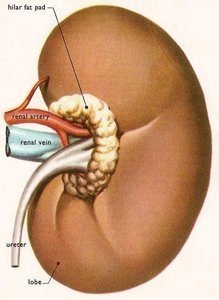
ADH acts on the kidneys to promote water reabsorption, reducing urine output and increasing blood pressure. It also constricts arterioles and inhibits sweat glands. ADH is part of the Renin-Angiotensin-Aldosterone System (RAAS) for fluid balance.
Disorders:
Hyposecretion: Diabetes insipidus (excessive urine output, dehydration).
Hypersecretion: Water retention, concentrated urine.
Control of Pituitary: Feedback Mechanisms
Feedback from Target Organs
Hormone secretion is regulated by feedback mechanisms:
Negative feedback: Increased hormone levels from target organs inhibit further release of tropic hormones (e.g., thyroid hormone inhibits TSH and TRH release).
Positive feedback: Stretching of the uterus increases oxytocin release, which causes more uterine contractions until delivery.
Summary Table: Major Anterior Pituitary Hormones
Hormone | Target Organ(s) | Main Action(s) | Disorders (Hyper/Hypo) |
|---|---|---|---|
FSH | Ovaries, Testes | Follicle/sperm development, estrogen production | Precocious puberty/Infertility |
LH | Ovaries, Testes | Ovulation, estrogen/progesterone/testosterone production | Premature sexual maturity/Infertility |
TSH | Thyroid gland | Stimulates thyroid hormone release | Goiter, Grave's disease/Myxedema, cretinism |
ACTH | Adrenal cortex | Stimulates cortisol production | Cushing's syndrome/Addison's disease |
PRL | Mammary glands | Milk production | Inappropriate milk production/Lack of milk |
GH | Most tissues | Growth, protein synthesis, lipolysis | Gigantism, acromegaly/Dwarfism |
Additional info: This table summarizes the main anterior pituitary hormones, their target organs, actions, and associated disorders for quick review.
