 뒤로
뒤로The Endocrine System: Structure, Function, and Homeostatic Regulation
스터디 가이드 - 스마트 노트
 자료에 맞춘 맞춤형 노트, 핵심 정의, 예시, 맥락을 확장해 제공합니다.
The Endocrine System
Overview of the Endocrine System
The endocrine system is one of the two major control systems of the body, working alongside the nervous system to regulate physiological processes and maintain homeostasis. It consists of glands that secrete hormones directly into the bloodstream, influencing various target organs and tissues throughout the body.
Hormones are chemical messengers that regulate metabolism, growth, reproduction, and other vital functions.
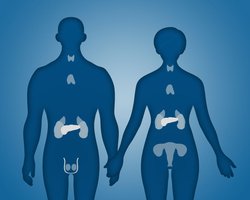
The endocrine system includes major glands such as the pituitary, thyroid, parathyroid, adrenal glands, pancreas, gonads, and others.
It interacts closely with the nervous system, particularly at the hypothalamus, which serves as a bridge between the two systems.
Homeostasis and Feedback Mechanisms
Homeostasis: Definition and Importance
Homeostasis refers to the maintenance of stable internal conditions despite changes in the external environment. It is essential for survival and proper functioning of the body.
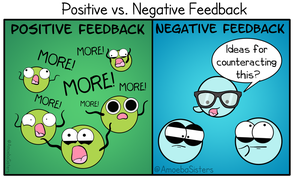
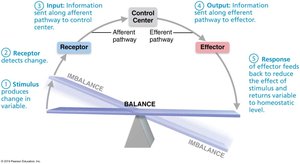
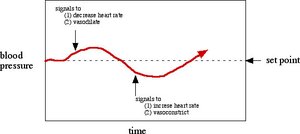
Negative Feedback: The most common mechanism, where the body counteracts a change to restore balance (e.g., regulation of blood glucose, temperature, blood pressure).
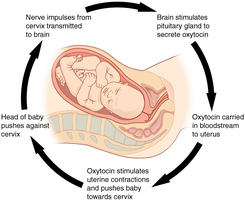
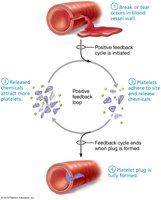
Positive Feedback: Less common, amplifies a change until a specific event occurs (e.g., childbirth, blood clotting).
Effector: Carries out the response to restore homeostasis.
Receptor: Detects changes in the environment.
Control Center: Processes information and determines the response (often the brain or endocrine glands).
Examples of Negative Feedback Loops
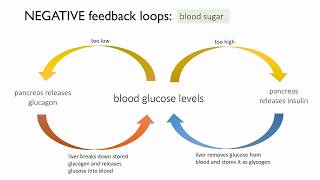
Blood glucose regulation (insulin and glucagon)
Body temperature regulation (sweating, shivering)
Blood pressure regulation
Examples of Positive Feedback Loops
Childbirth (oxytocin release and uterine contractions)
Blood clotting (platelet activation)
Homeostatic Imbalance
Disruption of homeostasis can lead to disease. Examples include hypoglycemia/hyperglycemia, hypotension/hypertension, and hypothermia/hyperthermia.
Comparison of Nervous and Endocrine Systems
Major Control Systems
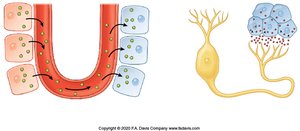
The nervous and endocrine systems are the primary regulators of body functions. They are interconnected at the hypothalamus, which integrates neural and hormonal signals.
Nervous System: Fast, short-duration responses via electrical impulses and neurotransmitters.
Endocrine System: Slower, long-duration responses via hormones in the bloodstream.
Types of Glands
Endocrine vs. Exocrine Glands
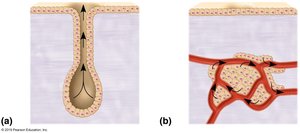
Endocrine glands secrete hormones directly into the bloodstream (e.g., pituitary, thyroid).
Exocrine glands secrete substances through ducts to an epithelial surface (e.g., sweat, salivary glands).
Hormones and Chemical Signaling
Types of Chemical Signaling
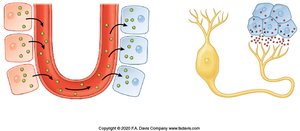
Neurotransmitters: Released by neurons, act across synapses (nervous system).
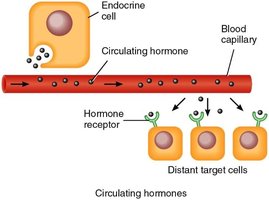
Hormones: Released by endocrine glands, travel through blood to distant targets.
Paracrine: Affect nearby cells.
Autocrine: Affect the secreting cell itself.
Hormone Action and Regulation
Hormones only affect target cells with specific receptors.
Up-regulation: Target cells increase receptors in response to low hormone levels.
Down-regulation: Target cells decrease receptors in response to high hormone levels.
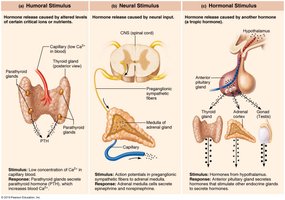
Stimuli for Hormone Release
Humoral: Changes in blood levels of ions/nutrients (e.g., calcium, glucose).
Neural: Nerve fibers stimulate hormone release (e.g., adrenal medulla).
Hormonal: Hormones stimulate other glands to release hormones (e.g., pituitary hormones).
Chemical Structure and Mechanism of Hormone Action
Lipid-soluble hormones (e.g., steroids, thyroid hormones) can cross cell membranes and bind to intracellular receptors.
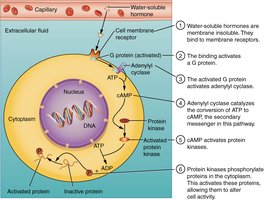
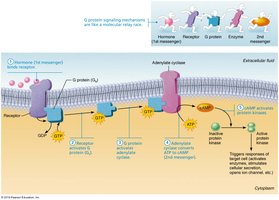
Water-soluble hormones (e.g., peptides, catecholamines) bind to membrane receptors and use second messenger systems.
Major Endocrine Glands and Their Hormones
Hypothalamus and Pituitary Gland
Hypothalamus: Part of the diencephalon, links nervous and endocrine systems, controls the pituitary gland via releasing and inhibiting hormones.
Pituitary Gland: Sits in the sella turcica, has anterior (adenohypophysis) and posterior (neurohypophysis) lobes.
Anterior pituitary produces tropic hormones (FSH, LH, ACTH, TSH) and others (GH, PRL).
Posterior pituitary stores and releases ADH and oxytocin produced by the hypothalamus.
Pineal Gland
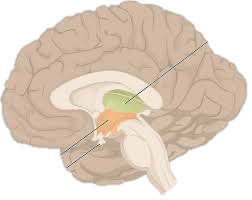
Located in the epithalamus, releases melatonin, regulates circadian rhythms and sleep-wake cycles.
Thyroid and Parathyroid Glands
Thyroid Gland: Produces T3 and T4 (regulate metabolism, growth, heat production) and calcitonin (lowers blood calcium).
Parathyroid Glands: Usually four, secrete parathyroid hormone (PTH) to increase blood calcium by acting on bones, kidneys, and intestines.
Adrenal Glands
Located on top of the kidneys, consist of cortex (produces corticosteroids: mineralocorticoids, glucocorticoids, gonadocorticoids) and medulla (produces epinephrine and norepinephrine for fight-or-flight response).
Pancreas
Has both endocrine (islets of Langerhans: insulin and glucagon for blood glucose regulation) and exocrine (digestive enzymes) functions.
Gonads
Testes: Produce testosterone (male sex hormone, sperm production).
Ovaries: Produce estrogen and progesterone (female sex hormones, menstrual cycle, pregnancy).
Placenta (Temporary Endocrine Gland)
Produces hormones such as progesterone, estrogen, relaxin, and hCG during pregnancy.
Organs with Secondary Endocrine Functions
Skin, heart, kidneys, liver, skeleton, GI tract, and adipose tissue also produce hormones with local or systemic effects.
Summary Table: Major Endocrine Glands, Hormones, and Functions
Gland | Hormone(s) | Main Target(s) | Main Function(s) |
|---|---|---|---|
Pituitary (anterior) | GH, PRL, FSH, LH, ACTH, TSH | Various endocrine glands, tissues | Growth, metabolism, reproduction |
Pituitary (posterior) | ADH, Oxytocin | Kidneys, uterus, mammary glands | Water balance, uterine contractions, milk ejection |
Thyroid | T3, T4, Calcitonin | Most cells, bones | Metabolism, calcium regulation |
Parathyroid | PTH | Bones, kidneys, intestines | Increase blood calcium |
Adrenal Cortex | Aldosterone, Cortisol, Androgens | Kidneys, most cells | Electrolyte balance, stress response, sex hormones |
Adrenal Medulla | Epinephrine, Norepinephrine | Most cells | Fight-or-flight response |
Pancreas | Insulin, Glucagon | Most cells, liver | Blood glucose regulation |
Testes | Testosterone | Male reproductive organs | Sperm production, secondary sex characteristics |
Ovaries | Estrogen, Progesterone | Female reproductive organs | Egg production, menstrual cycle, pregnancy |
