 뒤로
뒤로The Human Body: An Orientation – Structured Study Notes
스터디 가이드 - 스마트 노트
 자료에 맞춘 맞춤형 노트, 핵심 정의, 예시, 맥락을 확장해 제공합니다.
The Human Body: An Orientation
Anatomy & Physiology: Definitions and Disciplines
Anatomy and physiology are foundational sciences for understanding the structure and function of the human body. Anatomy focuses on the physical structures, while physiology examines how these structures operate.
Anatomy: The study of body structure and form. Includes microscopic anatomy (cytology, histology) and gross anatomy (systemic, regional, surface, pathologic, radiographic).
Physiology: The study of function of body parts. Includes cardiovascular, neurophysiology, respiratory, reproductive, and pathophysiology.
Structure determines function: The form of a body part is directly related to its function.
Characteristics of Living Organisms
All living organisms share several essential characteristics that distinguish them from non-living matter.
Organization: Complex structure and order.
Metabolism: Sum of all chemical reactions in the body.
Growth & Development: Increase in size and specialization.
Responsiveness: Ability to detect and react to stimuli.
Regulation: Adjustment of internal functions in response to environmental changes.
Reproduction: Production of new cells for growth, maintenance, and repair.
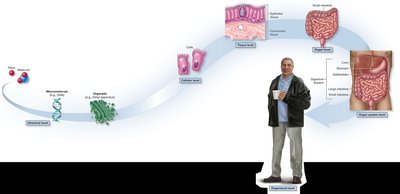
Levels of Structural Organization
The human body is organized from the simplest chemical level to the most complex organismal level.
Chemical Level: Atoms and molecules.
Cellular Level: Cells are the basic units of life.
Tissue Level: Groups of similar cells performing common functions. Four major types: epithelial, connective, muscle, nervous.
Organ Level: Organs contain two or more tissue types working together.
Organ System Level: Multiple related organs working together for a common function. There are 11 organ systems.
Organismal Level: All body systems functioning interdependently.
Overview of Human Body Systems
The human body is divided into organ systems, each with specific functions essential for survival and health.
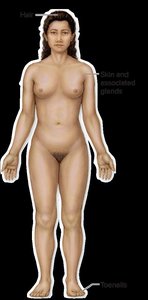
Integumentary System: Protects the body, regulates temperature, and prevents water loss.
Skeletal System: Provides support, protection, and aids in movement.
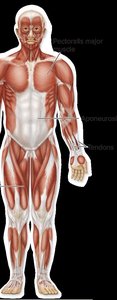
Muscular System: Facilitates movement and maintains posture.
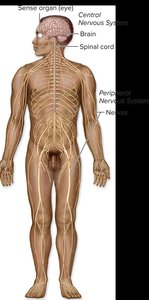
Nervous System: Controls and coordinates body activities via electrical signals.
Endocrine System: Regulates body functions through hormones.
Cardiovascular System: Transports nutrients, gases, and wastes.
Lymphatic System: Defends against infection and disease.
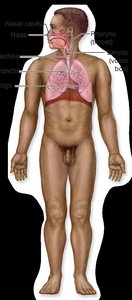
Respiratory System: Facilitates gas exchange (oxygen and carbon dioxide).
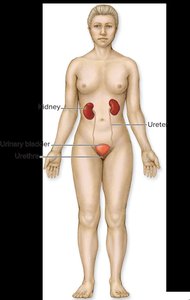
Urinary System: Removes waste and regulates water balance.
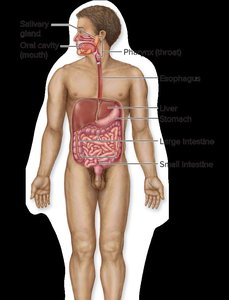
Digestive System: Breaks down food and absorbs nutrients.
Reproductive System: Produces gametes and enables reproduction.

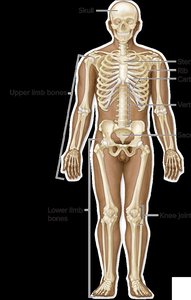
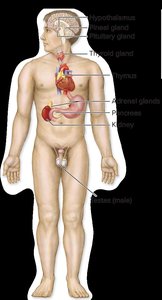
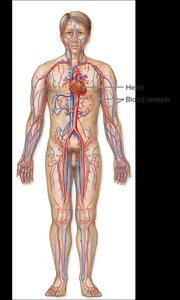
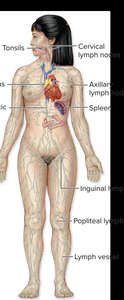

The Language of Anatomy & Physiology
Precise terminology is used to describe body positions, directions, regions, and cavities. Most terms are derived from Greek or Latin.
Anatomical Position: Body erect, feet slightly apart, head, palms, and toes facing forward, arms at sides.
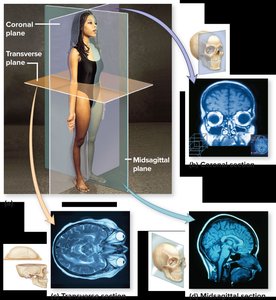
Body Planes
Coronal (Frontal) Plane: Separates anterior from posterior.
Sagittal Plane: Separates left and right. Midsagittal is an equal cut; Parasagittal is unequal.
Transverse Plane: Separates superior from inferior.

Directional Terms
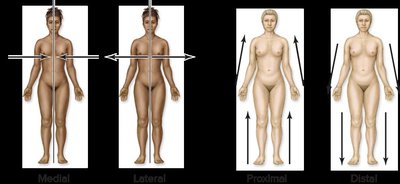
Medial/Lateral: Toward/away from the midline.
Proximal/Distal: Closer/farther from the origin of a body part.
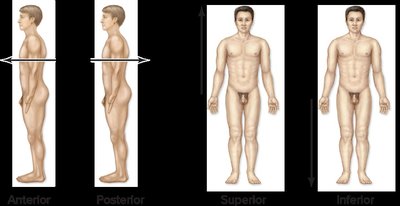
Anterior/Posterior: Front/back of the body.
Superior/Inferior: Above/below.
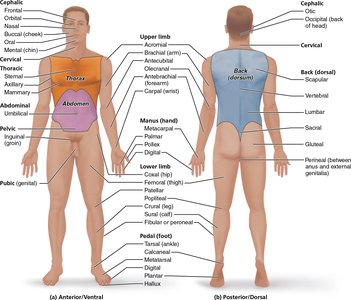
Regional Terms
Regional terms designate specific body areas for clarity in anatomical description.
Homeostasis: Maintaining Internal Balance
Homeostasis is the ability of an organism to maintain a consistent internal environment in response to changing conditions. It is essential for health and survival.
Controlled by: Nervous and endocrine systems.
Regulated through: Negative feedback (most common) and positive feedback (less common).
Homeostatic imbalance: Failure of regulation can lead to disease (e.g., diabetes mellitus, hypertension).
Negative Feedback
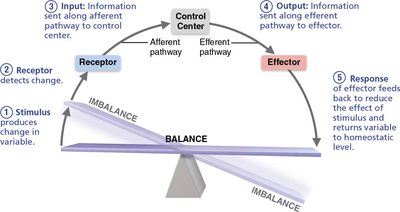
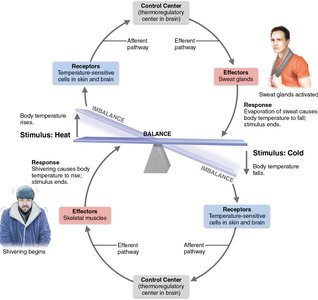
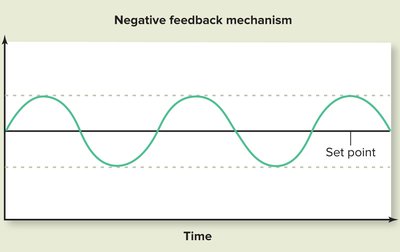
Negative feedback mechanisms maintain homeostasis by reversing the direction of the stimulus, keeping variables within a normal range.
Example: Body temperature regulation.
Process: Stimulus detected by receptor, information sent to control center, effector responds to restore balance.
Positive Feedback
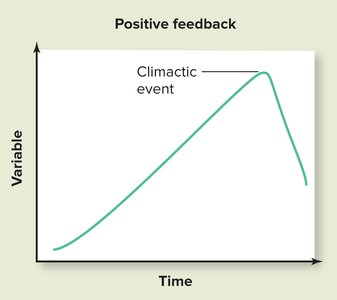
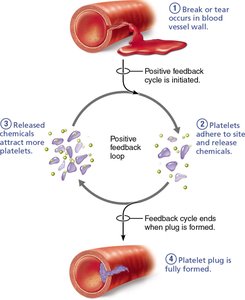
Positive feedback mechanisms reinforce the stimulus, continuing in the same direction until a climactic event occurs. These are less common than negative feedback.
Example: Platelet plug formation in blood clotting.
Goal: Increase activity until the event is completed.
Summary Table: Comparison of Negative and Positive Feedback
Feedback Type | Direction of Response | Frequency | Example |
|---|---|---|---|
Negative Feedback | Opposite to stimulus | Common | Body temperature regulation |
Positive Feedback | Same as stimulus | Rare | Blood clotting |
Additional info: Negative feedback maintains stability, while positive feedback drives rapid change until a specific outcome is achieved.
