 뒤로
뒤로The Metric System and Measurement in Anatomy & Physiology
스터디 가이드 - 스마트 노트
 자료에 맞춘 맞춤형 노트, 핵심 정의, 예시, 맥락을 확장해 제공합니다.
The Metric System in Anatomy & Physiology
Introduction to the Metric System
The metric system is the standard system of measurement used in science, including anatomy and physiology. It provides a universal language for measuring length, mass, volume, and temperature, ensuring consistency and accuracy in scientific communication and experimentation.
Length is measured in meters (m).
Mass is measured in grams (g).
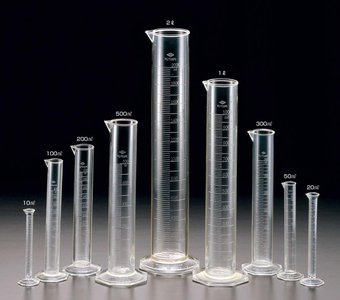
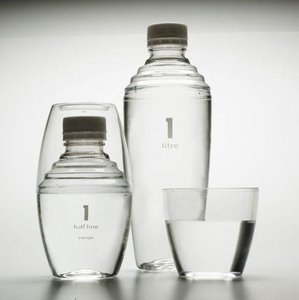
Volume is measured in liters (L).
Units of Measurement
Length
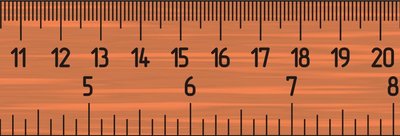
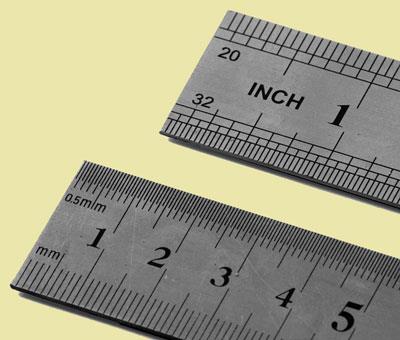
The basic unit of length in the metric system is the meter (m). It is commonly used to measure the size of anatomical structures and distances in the human body.
1 meter (m) ≈ 39.370 inches
1 meter (m) ≈ 1.0936 yards
Mass
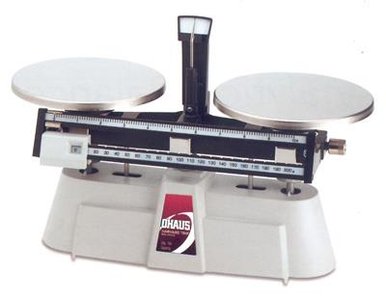
The basic unit of mass is the gram (g). Mass is important in physiology for measuring substances such as tissues, organs, and chemicals.
1 ounce ≈ 28.35 grams
1 pound ≈ 454 grams
Volume
The basic unit of volume is the liter (L). Volume measurements are essential for fluids in the body, such as blood and plasma.
1 liter ≈ 1.057 U.S. quarts
1 U.S. gallon ≈ 3.785 liters
Metric Prefixes and Conversions
Metric Prefixes
Prefixes are used in the metric system to indicate multiples or fractions of base units. Each prefix represents a specific factor by which the base unit is multiplied or divided.
Prefix | Symbol | Factor |
|---|---|---|
kilo | k | 1,000 |
centi | c | 0.01 |
milli | m | 0.001 |
micro | μ | 0.000001 |
nano | n | 0.000000001 |
1 kilometer (km) = 1,000 meters (m)
1 centimeter (cm) = 0.01 meters (m)
1 millimeter (mm) = 0.001 meters (m)
1 kilogram (kg) = 1,000 grams (g)
1 milligram (mg) = 0.001 grams (g)
1 milliliter (mL) = 0.001 liters (L)
1 microliter (μL) = 0.000001 liters (L)
Common Metric Conversions
Conversions between metric and U.S. customary units are often necessary in clinical and laboratory settings.
From | Multiply By | To |
|---|---|---|
inches | 2.54 | centimeters |
feet | 30 | centimeters |
yards | 0.91 | meters |
miles | 1.6 | kilometers |
ounces | 28 | grams |
pounds | 0.45 | kilograms |
fluid ounces | 30 | milliliters |
quarts | 0.95 | liters |
gallons | 3.8 | liters |
Temperature Measurement
Celsius and Fahrenheit Scales
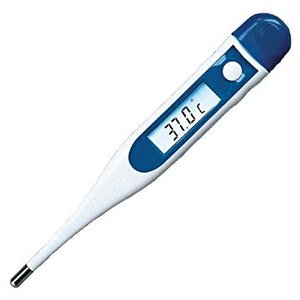
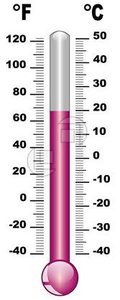
Temperature is a critical measurement in anatomy and physiology, especially for monitoring body temperature and physiological reactions. The Celsius (°C) and Fahrenheit (°F) scales are commonly used.
Water freezes at 0°C (32°F)
Water boils at 100°C (212°F)
Average human body temperature is 37°C (98.6°F)
Temperature Conversion Formulas
To convert between Celsius and Fahrenheit, use the following equations:
From Fahrenheit to Celsius:
From Celsius to Fahrenheit:
Applications in Anatomy & Physiology
Importance of Accurate Measurement
Accurate measurement of length, mass, volume, and temperature is essential for understanding physiological processes, diagnosing medical conditions, and conducting laboratory experiments. The metric system's consistency and ease of conversion make it ideal for scientific use.
Measuring organ size, blood volume, and body temperature are routine in clinical practice.
Metric units are used in medication dosing, laboratory analysis, and physiological research.
Additional info: Mastery of metric units and conversions is foundational for success in anatomy, physiology, and all health sciences.
