Ch. 10 Muscle Tissue and Physiology
Amerman- Human Anatomy & Physiology 3e
Amerman3rd EditionHuman Anatomy & PhysiologyISBN: 9780138247201, 9780138247928, 9780138201814당신이 사용하는 게 아니라요?교과서 변경
10장, 문제 15

Resistance-type activities will likely rely on _______ energy sources, whereas endurance activities will probably rely on _____ energy sources.

검증된 단계별 안내
1
Understand the difference between resistance-type activities and endurance activities. Resistance-type activities, such as weightlifting, involve short bursts of high-intensity effort, while endurance activities, such as running or cycling, involve sustained, lower-intensity effort over a longer period.
Recall the primary energy systems used by the body: the phosphagen system (immediate energy), glycolysis (short-term energy), and oxidative phosphorylation (long-term energy). Resistance-type activities typically rely on the phosphagen system and anaerobic glycolysis, which provide quick energy without requiring oxygen.
For endurance activities, the body primarily relies on oxidative phosphorylation, which uses oxygen to break down carbohydrates and fats for sustained energy production over time.
Consider the role of oxygen availability. Resistance-type activities are anaerobic (do not require oxygen), while endurance activities are aerobic (require oxygen). This distinction determines the energy sources utilized.
Summarize the energy sources: Resistance-type activities rely on anaerobic energy sources like ATP and creatine phosphate, while endurance activities rely on aerobic energy sources like carbohydrates and fats metabolized through oxidative phosphorylation.

비슷한 문제에 대한 검증된 영상 답변:

이 영상 해법은 위 문제에 도움이 된다고 튜터들이 추천한 것입니다.
도움이 되었나요?

주요 개념

질문에 올바르게 답하기 위해 반드시 이해해야 하는 핵심 개념들은 다음과 같습니다.

Energy Systems

The body utilizes different energy systems to fuel various types of physical activity. The three primary energy systems are the phosphagen system, anaerobic glycolysis, and aerobic metabolism. Resistance-type activities, which are typically short and intense, primarily rely on the phosphagen system for immediate energy, while endurance activities, which are prolonged and less intense, predominantly utilize aerobic metabolism for sustained energy production.
추천 영상:
4:58
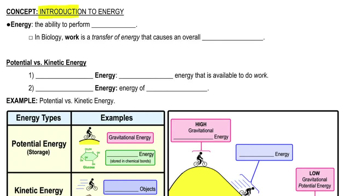
Introduction to Energy

Phosphagen System

The phosphagen system, also known as the ATP-CP system, provides immediate energy for high-intensity, short-duration activities, such as weightlifting or sprinting. It relies on stored adenosine triphosphate (ATP) and creatine phosphate (CP) in the muscles, allowing for quick bursts of energy without the need for oxygen. This system is crucial for resistance-type activities that require rapid and powerful muscle contractions.
추천 영상:
4:25
Complement System

Aerobic Metabolism

Aerobic metabolism is the process by which the body generates energy through the oxidation of carbohydrates and fats in the presence of oxygen. This energy system is essential for endurance activities, such as long-distance running or cycling, where sustained energy output is required over extended periods. It allows for efficient energy production, supporting prolonged physical exertion and recovery.
추천 영상:
02:17
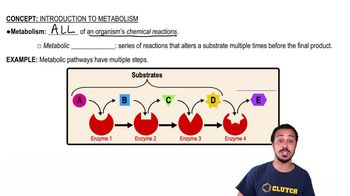
Introduction to Metabolism