Ch. 16 The Endocrine System
Amerman- Human Anatomy & Physiology 3e
Amerman3rd EditionHuman Anatomy & PhysiologyISBN: 9780138247201, 9780138247928, 9780138201814당신이 사용하는 게 아니라요?교과서 변경
16장, 문제 L3.A4

Mr. Montez is a patient with type I diabetes mellitus. He presents with dizziness, rapid breathing, confusion, and weakness. You find out that he forgot to inject his normal dose of insulin this morning. Will his blood glucose concentration be normal? Explain. Your colleague suggests that Mr. Montez needs to ingest some sugar. Is this going to help him? Why or why not? 

검증된 단계별 안내
1
Step 1: Understand the role of insulin in blood glucose regulation. Insulin is a hormone produced by the pancreas that facilitates the uptake of glucose into cells, lowering blood glucose levels. In type I diabetes mellitus, the body does not produce insulin, so glucose remains in the bloodstream, leading to hyperglycemia (high blood glucose levels).
Step 2: Analyze the symptoms presented by Mr. Montez. Dizziness, rapid breathing, confusion, and weakness are indicative of diabetic ketoacidosis (DKA), a condition that occurs when the body lacks insulin and begins breaking down fat for energy, producing ketones as a byproduct. This leads to an acidic environment in the blood.
Step 3: Evaluate whether Mr. Montez's blood glucose concentration will be normal. Since he forgot to inject his insulin, his blood glucose concentration will likely be elevated due to the lack of insulin to facilitate glucose uptake into cells.
Step 4: Assess the suggestion to ingest sugar. Ingesting sugar will not help Mr. Montez because his body cannot utilize the sugar without insulin. Instead, it will exacerbate hyperglycemia, worsening his condition. The priority is to administer insulin to lower his blood glucose levels and address the underlying issue.
Step 5: Recommend appropriate treatment. Mr. Montez needs immediate medical attention to receive insulin and possibly intravenous fluids to correct dehydration and electrolyte imbalances caused by DKA. Monitoring his blood glucose and ketone levels is essential to stabilize his condition.

비슷한 문제에 대한 검증된 영상 답변:

이 영상 해법은 위 문제에 도움이 된다고 튜터들이 추천한 것입니다.
도움이 되었나요?

주요 개념

질문에 올바르게 답하기 위해 반드시 이해해야 하는 핵심 개념들은 다음과 같습니다.

Type I Diabetes Mellitus

Type I diabetes mellitus is an autoimmune condition where the pancreas produces little to no insulin, a hormone essential for regulating blood glucose levels. Patients with this condition require insulin therapy to manage their blood sugar levels effectively. Without adequate insulin, glucose cannot enter the cells, leading to elevated blood glucose concentrations, which can cause symptoms like dizziness and confusion.
추천 영상:

Insulin and Blood Glucose Regulation

Insulin plays a critical role in lowering blood glucose levels by facilitating the uptake of glucose into cells for energy or storage. When a person with type I diabetes forgets to take their insulin, their blood glucose levels can rise significantly, leading to hyperglycemia. This condition can result in various symptoms, including weakness and confusion, as the body struggles to utilize glucose without insulin.
추천 영상:
가이드 코스
03:31
Cell Cycle Regulation

Hypoglycemia vs. Hyperglycemia

Hypoglycemia refers to abnormally low blood glucose levels, while hyperglycemia indicates high blood glucose levels. In Mr. Montez's case, since he missed his insulin dose, he is likely experiencing hyperglycemia rather than hypoglycemia. Ingesting sugar would not help him; instead, it could worsen his condition by further increasing his blood glucose levels, which is already elevated due to the lack of insulin.
추천 영상:
가이드 코스
05:05
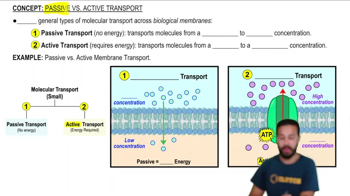
Passive vs. Active Transport