Ch. 18 The Cardiovascular System II: The Blood Vessels
Amerman- Human Anatomy & Physiology 3e
Amerman3rd EditionHuman Anatomy & PhysiologyISBN: 9780138247201, 9780138247928, 9780138201814당신이 사용하는 게 아니라요?교과서 변경
18장, 문제 4

Match the following terms with the correct definition.
____ Auricle      
____ Aorta      
____ Coronary sinus       
____ Papillary muscle      
____ Fossa ovalis     
____ Pectinate muscle      
____ Venae cavae      
____ Pulmonary trunk      
____ Chordae tendineae      
____ Pulmonary veins 
a. Drainage point for the coronary veins
b. Extensions that attach papillary muscles to valves
c. Remnant of a hole present in the fetal interatrial septum
d. Two largest veins of the systemic circuit
e. Flaplike extension from the right or left atrium
f. Finger-like projections of ventricular muscle
g. Main artery of the pulmonary circuit
h. Veins that drain the pulmonary circuit
i. Largest artery of the systemic circuit
j. Ridges of muscle in the atria

검증된 단계별 안내
1
Step 1: Understand the terms provided in the problem. Each term refers to a specific anatomical structure or feature related to the cardiovascular system. Familiarize yourself with their definitions and functions.
Step 2: Match each term with its corresponding definition based on its anatomical role or description. For example, 'Auricle' refers to a flaplike extension from the right or left atrium, so it matches definition (e).
Step 3: Continue matching terms systematically. For instance, 'Aorta' is the largest artery of the systemic circuit, so it matches definition (i). Similarly, 'Coronary sinus' is the drainage point for the coronary veins, matching definition (a).
Step 4: Use anatomical knowledge to match the remaining terms. For example, 'Papillary muscle' refers to finger-like projections of ventricular muscle, matching definition (f), and 'Chordae tendineae' are extensions that attach papillary muscles to valves, matching definition (b).
Step 5: Verify all matches by cross-referencing the definitions with the terms. Ensure that each term is correctly paired with its definition, such as 'Fossa ovalis' being the remnant of a hole present in the fetal interatrial septum (c), and 'Pulmonary trunk' being the main artery of the pulmonary circuit (g).

비슷한 문제에 대한 검증된 영상 답변:

이 영상 해법은 위 문제에 도움이 된다고 튜터들이 추천한 것입니다.

주요 개념

질문에 올바르게 답하기 위해 반드시 이해해야 하는 핵심 개념들은 다음과 같습니다.

Cardiac Anatomy

Understanding the basic structure of the heart is essential for identifying its components. The heart consists of various chambers, valves, and vessels, each with specific functions. Familiarity with terms like auricle, aorta, and coronary sinus helps in recognizing their roles in blood circulation and overall cardiac function.
추천 영상:
9:44
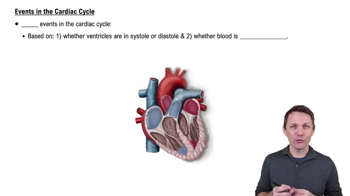
Events in the Cardiac Cycle

Circulatory System

The circulatory system is responsible for transporting blood throughout the body, delivering oxygen and nutrients while removing waste. Key components include the systemic and pulmonary circuits, which involve major vessels like the aorta and venae cavae. Recognizing how these vessels interact is crucial for matching terms with their definitions.
추천 영상:
02:29
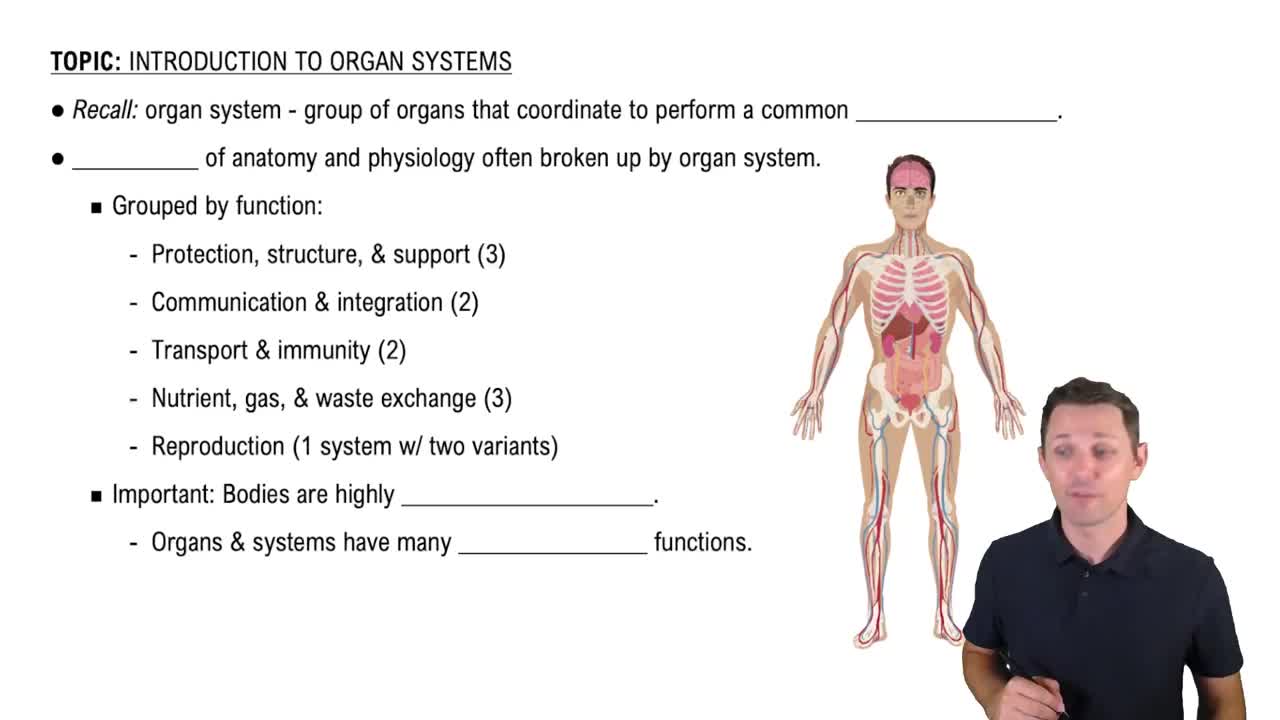
Introduction to Organ Systems

Fetal Circulation

Fetal circulation differs from postnatal circulation, featuring structures like the fossa ovalis, which is a remnant of the foramen ovale that allows blood to bypass the lungs. Understanding these adaptations is important for grasping how the heart develops and functions before and after birth, influencing terms related to cardiac anatomy.
추천 영상:
가이드 코스
7:11
Function of the Spleen