
교과서 질문
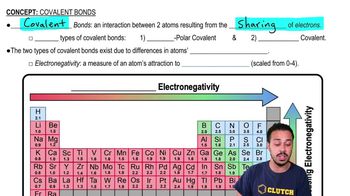
Identify each of the following molecules or compounds as ionic, polar covalent, or nonpolar covalent.
a. H2O _________
b. LiI _________
c. C10H22 _________
d. N2 _________
e. MgBr2 _________
f. H2S _________
833
views

 검증된 단계별 안내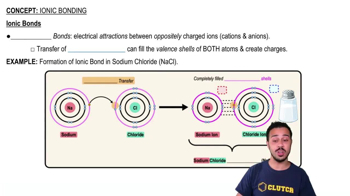
 06:07
06:07
 04:28 04:28
Identify each of the following molecules or compounds as ionic, polar covalent, or nonpolar covalent.
a. H2O _________
b. LiI _________
c. C10H22 _________
d. N2 _________
e. MgBr2 _________
f. H2S _________
The drug methotrexate is used to treat several different types of cancer and diseases of the immune system. It works by inhibiting an enzyme in the cell necessary for folic acid synthesis. Without folic acid, the cell cannot make nucleotides. What, specifically, does an enzyme do in the cell? Why would inhibiting this enzyme disrupt folic acid synthesis? What effect would a disruption in folic acid synthesis have on the cell as a whole? (Hint: Think about the role that folic acid plays in the cell.) (Connects to Chapter 2)
Many drugs and poisons exert their effects by blocking one or more enzymes. How could blocking an enzyme lead to the death of a cell?
The polysaccharide cellulose is not digestible by humans, as we lack the enzyme cellulase, which is required to break it down. Certain dietary supplements contain the enzyme cellulase and claim that being able to break down cellulose will help a person lose weight. But what do you think would happen if we could digest the cellulose we ate?
What are hydrogen bonds, and how do they form?
Describe what takes place during a chemical reaction.