Ch. 22 The Digestive System
Amerman- Human Anatomy & Physiology 3e
Amerman3rd EditionHuman Anatomy & PhysiologyISBN: 9780138247201, 9780138247928, 9780138201814당신이 사용하는 게 아니라요?교과서 변경
22장, 문제 L3.2a

A surgical procedure known as gastric bypass involves creating a small upper stomach pouch and attaching part of the small intestine to this pouch, “bypassing” the rest of the stomach and part of the duodenum.
Ms. Anthony has undergone gastric bypass. She goes out to dinner and eats an extremely large meal. Explain what will happen in her small and large intestines following this meal.

검증된 단계별 안내
1
Understand the anatomy and physiology of the digestive system, particularly the role of the stomach, small intestine, and large intestine in digestion. Gastric bypass surgery alters the normal flow of food by creating a small stomach pouch and bypassing part of the duodenum, which reduces the stomach's capacity and changes nutrient absorption dynamics.
Recognize that after gastric bypass surgery, the small stomach pouch can only hold a limited amount of food. Eating an extremely large meal will overwhelm the pouch, causing food to move rapidly into the small intestine, a phenomenon known as 'dumping syndrome.'
Explain that dumping syndrome occurs because the small intestine is not designed to handle large, undigested food particles directly from the stomach. This rapid influx of food can lead to symptoms such as nausea, cramping, diarrhea, and a sudden shift in fluid balance due to osmotic effects.
Discuss how the large intestine may also be affected. The rapid movement of food through the small intestine can lead to incomplete digestion and absorption, resulting in undigested food particles reaching the large intestine. This can cause bloating, gas, and changes in stool consistency.
Conclude by emphasizing the importance of portion control and dietary adjustments for individuals who have undergone gastric bypass surgery to prevent complications like dumping syndrome and ensure proper nutrient absorption.

비슷한 문제에 대한 검증된 영상 답변:

이 영상 해법은 위 문제에 도움이 된다고 튜터들이 추천한 것입니다.
도움이 되었나요?

주요 개념

질문에 올바르게 답하기 위해 반드시 이해해야 하는 핵심 개념들은 다음과 같습니다.

Gastric Bypass Procedure

Gastric bypass is a weight-loss surgery that alters the digestive system by creating a small pouch from the stomach and connecting it directly to the small intestine. This limits food intake and reduces calorie absorption, as food bypasses a significant portion of the stomach and duodenum. Understanding this procedure is crucial to predict how the body will respond to food intake.
추천 영상:
2:07
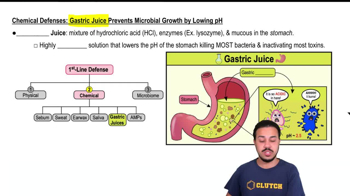
Gastric Juice

Intestinal Absorption

Intestinal absorption refers to the process by which nutrients from digested food are taken up by the cells lining the intestines and transported into the bloodstream. After gastric bypass, the altered anatomy affects how and where nutrients are absorbed, leading to potential deficiencies if the diet is not managed properly. This concept is essential for understanding the implications of consuming large meals post-surgery.
추천 영상:
가이드 코스
3:44
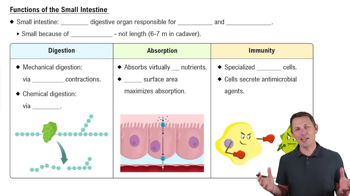
Functions of the Small Intestine

Dumping Syndrome

Dumping syndrome is a condition that can occur after gastric bypass surgery, characterized by rapid gastric emptying into the small intestine. When a large meal is consumed, undigested food can enter the small intestine too quickly, causing symptoms like nausea, diarrhea, and abdominal cramping. Recognizing this syndrome is important for predicting Ms. Anthony's potential reactions after her meal.
추천 영상:
가이드 코스
01:52
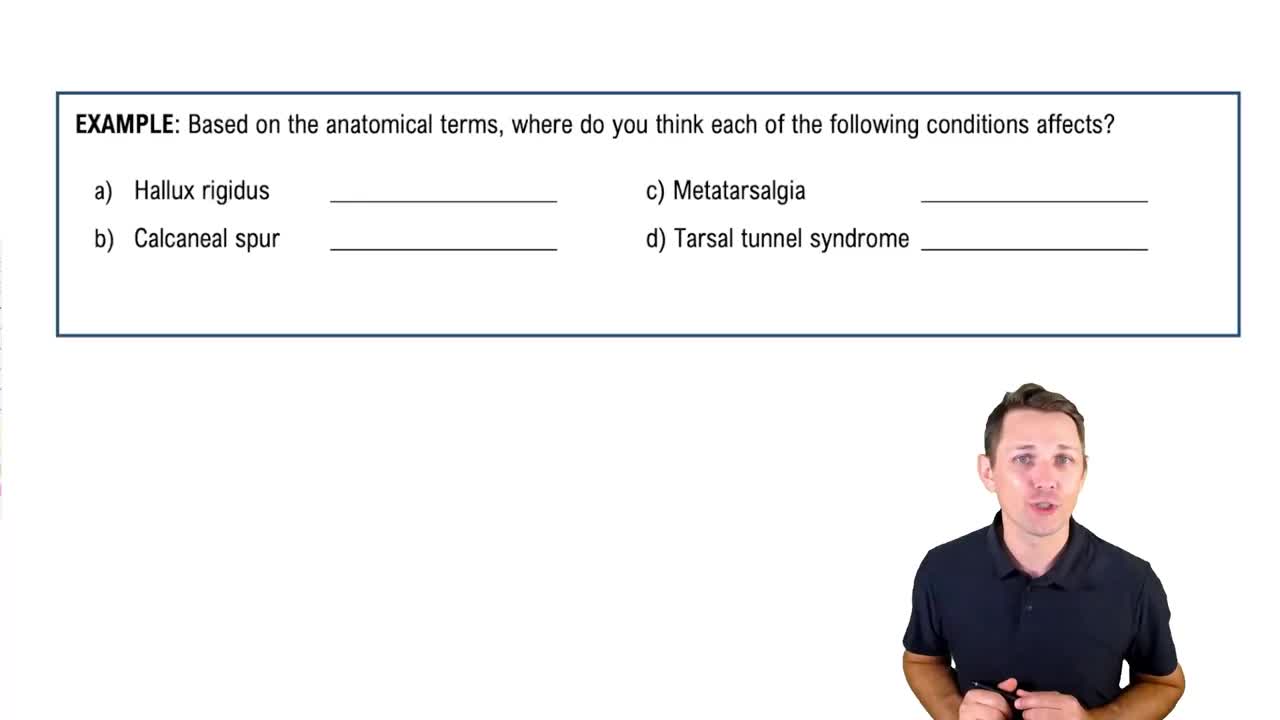
Anatomical Terms for the Leg and Foot Example 2
관련 실천
교과서 질문

A surgical procedure known as gastric bypass involves creating a small upper stomach pouch and attaching part of the small intestine to this pouch, “bypassing” the rest of the stomach and part of the duodenum.

How would bypassing a significant portion of the stomach affect absorption of vitamin B12? Explain.

119
views
교과서 질문

Mr. Williams presents to your clinic with a complaint of abdominal pain in the right upper quadrant. He says that the pain worsens when he eats, particularly when he eats fatty meals. He has noticed that his stool has been an unusual clay color recently. You perform an ultrasound of his abdomen and find that gallstones are blocking his common bile duct, preventing bile from entering the duodenum.

You test Mr. Williams's stool and find high amounts of undigested fats. Explain this finding.

645
views
교과서 질문

Individuals experiencing prolonged vomiting lose a great deal of hydrochloric acid with the vomitus. Predict the effect this loss of acid will have on the pH of the blood. How will the respiratory system respond to the change in pH?

876
views
교과서 질문

Mr. Williams presents to your clinic with a complaint of abdominal pain in the right upper quadrant. He says that the pain worsens when he eats, particularly when he eats fatty meals. He has noticed that his stool has been an unusual clay color recently. You perform an ultrasound of his abdomen and find that gallstones are blocking his common bile duct, preventing bile from entering the duodenum.

Explain why his feces have become a clay color instead of a normal brown color.

639
views
교과서 질문

Mr. Williams presents to your clinic with a complaint of abdominal pain in the right upper quadrant. He says that the pain worsens when he eats, particularly when he eats fatty meals. He has noticed that his stool has been an unusual clay color recently. You perform an ultrasound of his abdomen and find that gallstones are blocking his common bile duct, preventing bile from entering the duodenum.

Why are his symptoms worse when he consumes a high-fat meal? Would you expect his symptoms to worsen or lessen when he consumes a meal consisting only of carbohydrates? Explain.

727
views
교과서 질문

Mark the following statements as true or false. If a statement is false, correct it to make a true statement.

The mucosa from the stomach to the anus consists of an inner layer of stratified columnar epithelium.

1012
views