Ch. 25 Fluid, Electrolyte, and Acid-Base Homeostasis
Amerman- Human Anatomy & Physiology 3e
Amerman3rd EditionHuman Anatomy & PhysiologyISBN: 9780138247201, 9780138247928, 9780138201814당신이 사용하는 게 아니라요?교과서 변경
25장, 문제 10d

Mark the following statements as true or false. If a statement is false, correct it to make a true statement.
d. Hypocalcemia causes neurons to become hyperexcitable, leading to potential tetanic contractions.

검증된 단계별 안내
1
Understand the term 'hypocalcemia': Hypocalcemia refers to a condition where there is a lower-than-normal level of calcium in the blood. Calcium plays a critical role in muscle contraction, nerve signaling, and maintaining the stability of cell membranes.
Analyze the effect of hypocalcemia on neurons: Calcium ions are essential for stabilizing the resting membrane potential of neurons. A deficiency in calcium (hypocalcemia) reduces the threshold for action potential generation, making neurons more excitable.
Relate hyperexcitability to tetanic contractions: Hyperexcitable neurons can lead to excessive stimulation of muscles, potentially causing sustained muscle contractions, also known as tetanic contractions.
Evaluate the statement: The statement 'Hypocalcemia causes neurons to become hyperexcitable, leading to potential tetanic contractions' is true because it accurately describes the physiological effects of low calcium levels on neuronal and muscular activity.
Conclude the assessment: Since the statement is true, no correction is needed. If it were false, the correction would involve explaining the role of calcium in stabilizing neuronal activity and preventing hyperexcitability.

비슷한 문제에 대한 검증된 영상 답변:

이 영상 해법은 위 문제에 도움이 된다고 튜터들이 추천한 것입니다.
도움이 되었나요?

주요 개념

질문에 올바르게 답하기 위해 반드시 이해해야 하는 핵심 개념들은 다음과 같습니다.

Hypocalcemia

Hypocalcemia refers to a condition characterized by low levels of calcium in the blood. Calcium is crucial for various physiological functions, including muscle contraction and neurotransmitter release. When calcium levels drop, it can disrupt normal cellular activities, particularly in neurons and muscle cells, leading to increased excitability and potential complications.
추천 영상:
0:52
Renal Physiology Step 2: Tubular Reabsorption Example 6

Neuronal Excitability

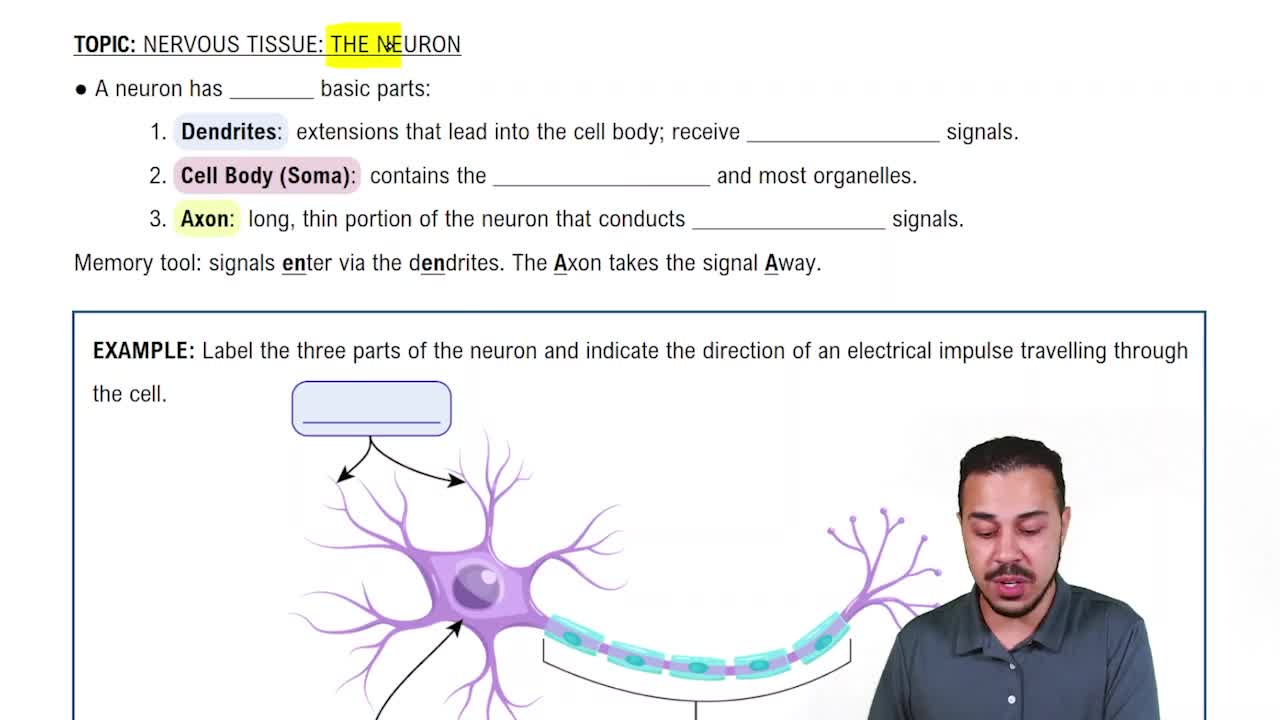
Neuronal excitability is the ability of neurons to respond to stimuli and generate action potentials. Changes in ion concentrations, such as calcium, sodium, and potassium, significantly influence this excitability. In the case of hypocalcemia, the reduced calcium levels can lead to increased neuronal firing, which may result in symptoms like muscle spasms or tetany.
추천 영상:

Tetany

Tetany is a condition characterized by involuntary muscle contractions and spasms, often resulting from electrolyte imbalances, including low calcium levels. In hypocalcemia, the heightened excitability of neurons can lead to sustained muscle contractions, causing symptoms such as cramps and spasms. Understanding the relationship between calcium levels and muscle function is essential for recognizing and treating tetany.
추천 영상:
가이드 코스
9:39
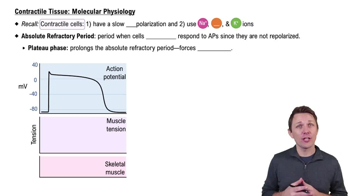
Contractile Tissue: Molecular Physiology