Ch. 9 The Muscular System
Amerman- Human Anatomy & Physiology 3e
Amerman3rd EditionHuman Anatomy & PhysiologyISBN: 9780138247201, 9780138247928, 9780138201814당신이 사용하는 게 아니라요?교과서 변경
9장, 문제 L2.4

Why do the three parts of the trapezius muscle have three different actions?

검증된 단계별 안내
1
Understand the anatomy of the trapezius muscle: The trapezius is a large, triangular muscle located in the upper back. It is divided into three distinct regions: the upper (descending), middle (transverse), and lower (ascending) fibers. Each region has different attachment points and orientations, which influence their actions.
Examine the attachment points: The upper fibers originate from the occipital bone and cervical vertebrae, the middle fibers originate from the thoracic vertebrae, and the lower fibers originate from the lower thoracic vertebrae. All fibers insert on the clavicle, acromion, and spine of the scapula. These attachment points determine the direction of pull when the muscle contracts.
Analyze the orientation of muscle fibers: The upper fibers are angled downward and laterally, the middle fibers run horizontally, and the lower fibers are angled upward and medially. The orientation of these fibers dictates the direction of force they exert on the scapula during contraction.
Relate fiber orientation to specific actions: The upper fibers elevate the scapula and assist in upward rotation, the middle fibers retract the scapula, and the lower fibers depress the scapula and assist in upward rotation. These actions are a result of the specific angles and directions of pull created by the fibers.
Consider the role of neural control: The trapezius muscle is innervated by the accessory nerve (cranial nerve XI) and receives input from the cervical spinal nerves. Neural signals coordinate the contraction of different parts of the muscle to produce distinct actions based on the body's needs, such as lifting the arm or stabilizing the shoulder.

비슷한 문제에 대한 검증된 영상 답변:

이 영상 해법은 위 문제에 도움이 된다고 튜터들이 추천한 것입니다.
도움이 되었나요?

주요 개념

질문에 올바르게 답하기 위해 반드시 이해해야 하는 핵심 개념들은 다음과 같습니다.

Anatomy of the Trapezius Muscle

The trapezius muscle is a large, triangular muscle located in the upper back and neck, divided into three distinct parts: upper, middle, and lower. Each part has a unique origin, insertion, and fiber orientation, which contribute to its specific functions. Understanding the anatomy is crucial for comprehending how these parts can perform different actions.
추천 영상:
4:43
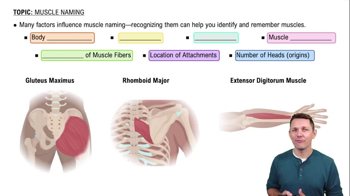
Muscle Naming

Muscle Fiber Orientation

The orientation of muscle fibers affects how a muscle contracts and the direction of force it generates. The upper fibers of the trapezius are oriented to elevate the scapula, while the middle fibers are aligned for retraction, and the lower fibers assist in depression. This variation in fiber direction is key to the different actions performed by each part of the muscle.
추천 영상:
7:47
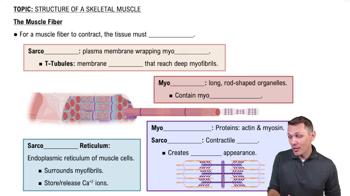
The Muscle Fiber

Functional Roles of the Trapezius

The trapezius muscle plays a vital role in shoulder and neck movement, with each part contributing to specific actions. The upper part elevates the shoulders, the middle part retracts them, and the lower part helps in depressing the shoulders. Understanding these functional roles is essential for analyzing how the trapezius muscle facilitates complex movements in daily activities and sports.
추천 영상:
가이드 코스
06:04
Functional Groups