Ch. 13 The Peripheral Nervous System and Reflex Activity
Marieb - Human Anatomy & Physiology 11th Edition
Marieb, Hoehn11th EditionHuman Anatomy & PhysiologyISBN: 9780136874034당신이 사용하는 게 아니라요?교과서 변경
13장, 문제 25

Fumiko, a 19-year-old nursing student, had had a runny nose and sore throat for several days. Upon waking, her face felt “twisted.” When she examined her face in the mirror, she noticed that the right side looked “droopy” and she was unable to move the facial muscles on that side. This made it difficult to speak clearly or eat. Which cranial nerve was affected and on which side? What is a common cause of this condition?

검증된 단계별 안내
1
Step 1: Identify the symptoms described: facial drooping on the right side, inability to move facial muscles on that side, difficulty speaking clearly and eating. These symptoms suggest a problem with the motor control of facial muscles.
Step 2: Recall the cranial nerve responsible for motor control of the muscles of facial expression. This is the Facial nerve, also known as Cranial Nerve VII.
Step 3: Determine the side affected by the nerve damage. Since the right side of the face is droopy and paralyzed, the right Facial nerve is affected.
Step 4: Understand common causes of sudden facial nerve paralysis. One common cause is Bell's palsy, which is an idiopathic (unknown cause) inflammation of the facial nerve, often linked to viral infections.
Step 5: Summarize that the condition described is likely Bell's palsy affecting the right Facial nerve (Cranial Nerve VII), causing unilateral facial muscle paralysis.

주요 개념

질문에 올바르게 답하기 위해 반드시 이해해야 하는 핵심 개념들은 다음과 같습니다.

Facial Nerve (Cranial Nerve VII)

The facial nerve controls the muscles of facial expression, including those responsible for smiling, blinking, and other movements. Damage to this nerve causes weakness or paralysis on the affected side of the face, leading to drooping and difficulty with speech and eating.
추천 영상:
2:25
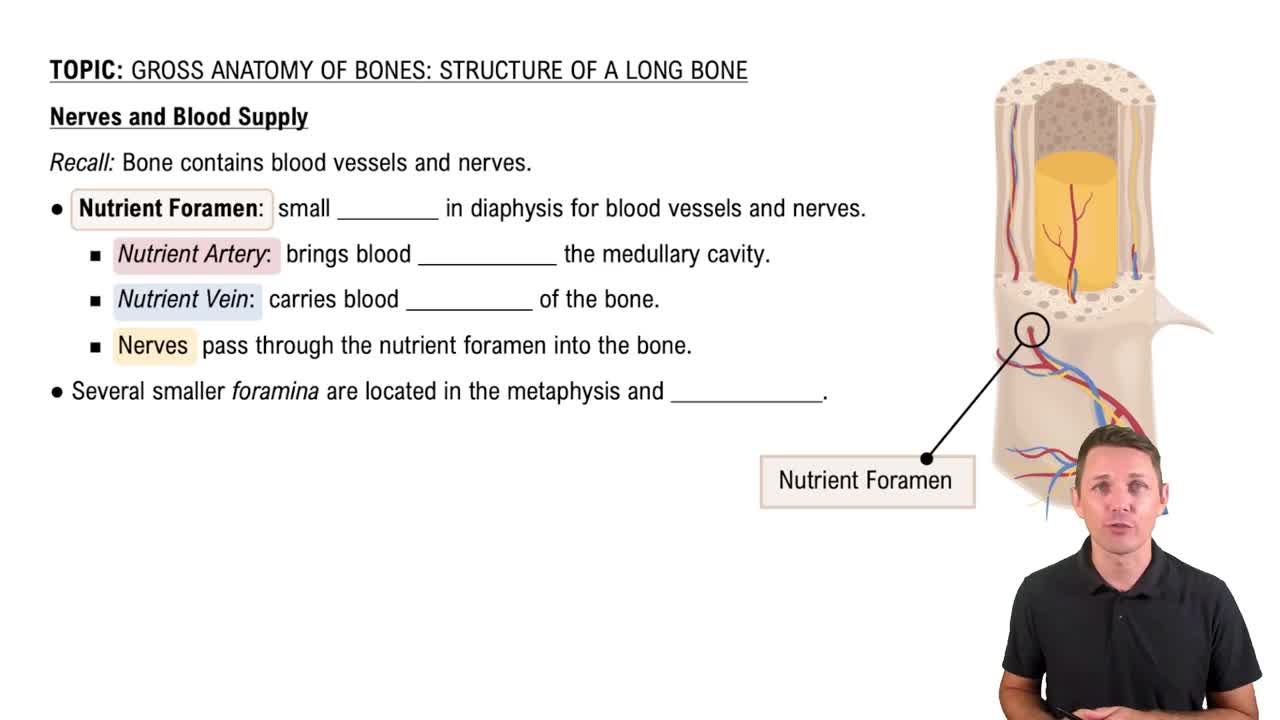
Nerves and Blood Supply

Unilateral Facial Paralysis

Unilateral facial paralysis refers to weakness or loss of movement on one side of the face. It is characterized by drooping of the mouth and eyelid, inability to close the eye, and impaired facial expressions, often indicating damage to the facial nerve on that specific side.
추천 영상:
6:30
Overview of Facial Bones

Bell's Palsy as a Common Cause

Bell's palsy is a common cause of sudden, unilateral facial paralysis, often linked to viral infections like herpes simplex. It results from inflammation or compression of the facial nerve, leading to temporary weakness or paralysis that typically improves with time or treatment.
추천 영상:
04:21
Variation in A&P