
교과서 질문
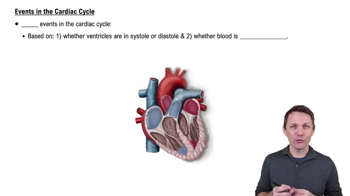
The sequence of contraction of the heart chambers is:
a. Random
b. Left chambers followed by right chambers
c. Both atria followed by both ventricles
d. Right atrium, right ventricle, left atrium, left ventricle
1316
views

 검증된 단계별 안내
 06:04
06:04
 9:44
9:44 6:13
6:13The sequence of contraction of the heart chambers is:
a. Random
b. Left chambers followed by right chambers
c. Both atria followed by both ventricles
d. Right atrium, right ventricle, left atrium, left ventricle
Freshly oxygenated blood is first received by the:
a. Right atrium
b. Left atrium
c. Right ventricle
d. Left ventricle
When the semilunar valves are open, which of the following are occurring?
(1) Coronary arteries fill
(2) AV valves are closed
(3) Ventricles are in systole
(4) Ventricles are in diastole
(5) Blood enters the aorta
(6) Blood enters pulmonary arteries
(7) Atria contract
a. 2, 3, 5, 6
b. 1, 2, 3, 7
c. 1, 3, 5, 6
d. 2, 4, 5, 7
In the heart, which of the following apply?
(1) Action potentials are conducted from cell to cell across the myocardium via gap junctions
(2) The SA node sets the pace for the heart as a whole
(3) Spontaneous depolarization of cardiac cells can occur in the absence of nerve stimulation
(4) Cardiac muscle can continue to contract for long periods in the absence of oxygen
a. All of the above
b. 1, 3, 4
c. 1, 2, 3
d. 2, 3
An ECG provides information about:
a. Cardiac output
b. Movement of the excitation wave across the heart
c. Coronary circulation
d. Valve impairment
The chordae tendineae:
a. The atrioventricular valves
b. Prevent the AV valve flaps from everting
c. Contract the papillary muscles
d. Open the semilunar valves