Ch. 2 Chemistry Comes Alive
Marieb - Human Anatomy & Physiology 11th Edition
Marieb, Hoehn11th EditionHuman Anatomy & PhysiologyISBN: 9780136874034당신이 사용하는 게 아니라요?교과서 변경
2장, 문제 7

Factors that accelerate the rate of chemical reactions include all but:
a. The presence of catalysts
b. Increasing the temperature
c. Increasing the particle size
d. Increasing the concentration of the reactants

검증된 단계별 안내
1
Understand the concept of chemical reaction rates: Chemical reactions occur when reactants interact to form products. The rate of a chemical reaction refers to how quickly this process happens, and several factors can influence this rate.
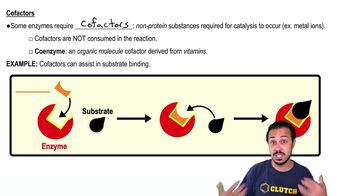
Review the role of catalysts: Catalysts are substances that speed up chemical reactions without being consumed in the process. They lower the activation energy required for the reaction, making it proceed faster.
Analyze the effect of temperature: Increasing the temperature generally accelerates chemical reactions because higher temperatures provide reactant particles with more kinetic energy, increasing the frequency and energy of collisions.
Examine the impact of reactant concentration: Higher concentrations of reactants lead to more frequent collisions between particles, which can increase the rate of reaction.
Evaluate the effect of particle size: Smaller particle sizes increase the surface area available for reactions, which can accelerate the rate of reaction. Conversely, increasing the particle size reduces the surface area, slowing down the reaction rate.

비슷한 문제에 대한 검증된 영상 답변:

이 영상 해법은 위 문제에 도움이 된다고 튜터들이 추천한 것입니다.
영상 길이:
3m

주요 개념

질문에 올바르게 답하기 위해 반드시 이해해야 하는 핵심 개념들은 다음과 같습니다.

Catalysts

Catalysts are substances that increase the rate of a chemical reaction without being consumed in the process. They work by providing an alternative reaction pathway with a lower activation energy, allowing more reactant molecules to collide with sufficient energy to react. This makes catalysts essential in many industrial processes and biochemical reactions.
추천 영상:

Temperature

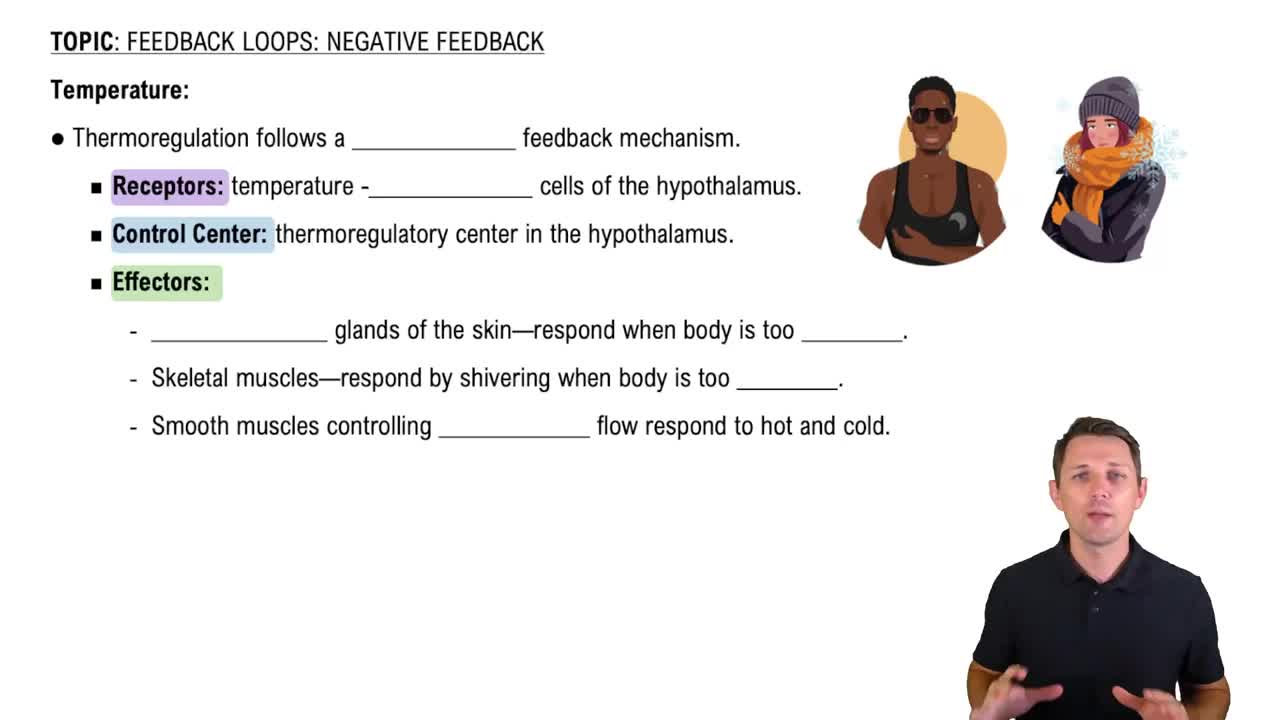
Increasing the temperature of a reaction generally increases the kinetic energy of the molecules involved, leading to more frequent and energetic collisions. This heightened activity can significantly accelerate the rate of reaction, as more molecules can overcome the activation energy barrier required for the reaction to occur.
추천 영상:
04:42
Negative Feedback Loops: Temperature

Particle Size

The particle size of reactants affects the surface area available for reactions. Smaller particles have a larger surface area relative to their volume, which allows for more collisions between reactants. Conversely, increasing particle size reduces the surface area, thereby slowing down the reaction rate, making it a factor that does not accelerate reactions.
추천 영상:
가이드 코스
03:45
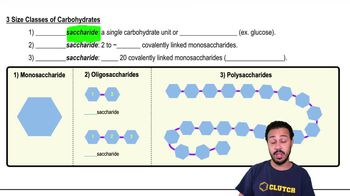
3 Size Classes of Carbohydrates