Ch. 26 Fluid, Electrolyte, and Acid-Base Balance
Marieb - Human Anatomy & Physiology 11th Edition
Marieb, Hoehn11th EditionHuman Anatomy & PhysiologyISBN: 9780136874034당신이 사용하는 게 아니라요?교과서 변경
26장, 문제 14

Describe the thirst mechanism, indicating how it is triggered and terminated.

검증된 단계별 안내
1
Step 1: Understand that the thirst mechanism is a physiological process that helps maintain body fluid balance by prompting the sensation of thirst, which motivates fluid intake.
Step 2: Identify the primary triggers of thirst, which include increased plasma osmolality (concentration of solutes in the blood) and decreased blood volume or blood pressure. These changes are detected by osmoreceptors in the hypothalamus and baroreceptors in blood vessels, respectively.
Step 3: Explain that when plasma osmolality rises, osmoreceptors in the hypothalamus shrink due to water loss from their cells, stimulating the thirst center in the hypothalamus to create the sensation of thirst.
Step 4: Describe how decreased blood volume or pressure is sensed by baroreceptors in the cardiovascular system, which send signals to the hypothalamus to also stimulate thirst and promote fluid intake.
Step 5: Clarify that the thirst mechanism is terminated when fluid intake restores plasma osmolality and blood volume to normal levels, which is detected by the osmoreceptors and baroreceptors, leading to inhibition of the thirst center and cessation of the thirst sensation.

비슷한 문제에 대한 검증된 영상 답변:

이 영상 해법은 위 문제에 도움이 된다고 튜터들이 추천한 것입니다.
영상 길이:
3m
도움이 되었나요?

주요 개념

질문에 올바르게 답하기 위해 반드시 이해해야 하는 핵심 개념들은 다음과 같습니다.

Thirst Mechanism

The thirst mechanism is a physiological process that regulates fluid intake to maintain body water balance. It is primarily controlled by the brain, which detects changes in hydration status and triggers the sensation of thirst to encourage drinking.
추천 영상:
3:02
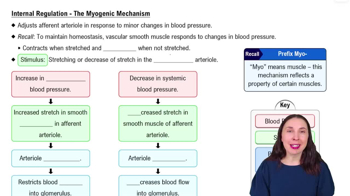
Internal Regulation - The Myogenic Mechanism

Osmoreceptors and Osmoregulation

Osmoreceptors are specialized neurons in the hypothalamus that detect changes in blood osmolarity. When blood becomes too concentrated due to dehydration, these receptors stimulate thirst and the release of antidiuretic hormone (ADH) to conserve water.
추천 영상:
가이드 코스
07:16
Osmoregulation and Nitrogenous Waste

Termination of Thirst

Thirst is terminated when fluid intake restores normal blood volume and osmolarity. Signals from the mouth, throat, and stomach, along with normalized blood chemistry, inform the brain to stop the sensation of thirst, preventing overhydration.
추천 영상:
가이드 코스
02:44
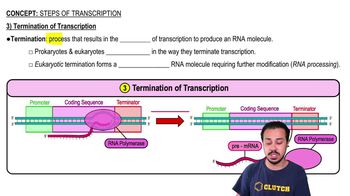
3) Termination of Transcription