 뒤로
뒤로Introduction to Biochemistry and the Unity of Life
스터디 가이드 - 스마트 노트
 자료에 맞춘 맞춤형 노트, 핵심 정의, 예시, 맥락을 확장해 제공합니다.
Biochemistry and the Unity of Life
Introduction to Biochemistry
Biochemistry is the branch of science that explores the chemical processes and substances that occur within living organisms. It bridges biology and chemistry, focusing on the molecular mechanisms that underlie cellular function and life itself.
Definition: Biochemistry is the study of the chemistry of life processes.
Central Principles:
Cells are the fundamental unit of life.
Cells use a relatively small set of carbon-based metabolites to create polymeric machines, supramolecular structures, and information repositories.
Living organisms exist in a dynamic steady state, never at equilibrium with their surroundings.
Cells have the capacity for precise self-replication and self-assembly using chemical information stored in the genome.
Living organisms change over time by gradual evolution.
Biomolecules: The Chemical Basis of Life
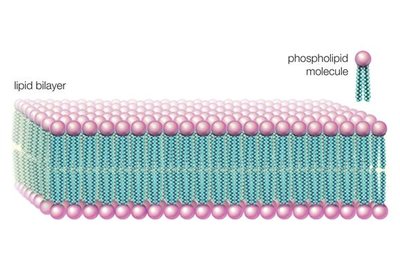
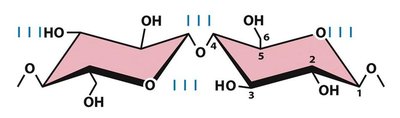
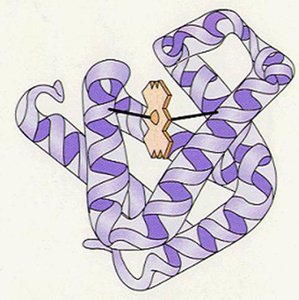
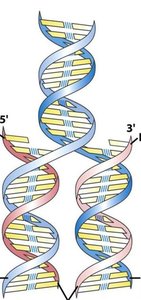
All living organisms are composed of four major classes of biomolecules: carbohydrates, lipids, nucleic acids, and proteins. These molecules are essential for structure, function, and information storage in cells.
Carbohydrates: Serve as energy sources and structural components.
Lipids: Function as energy storage molecules and form biological membranes.
Nucleic Acids: Store and transmit genetic information (DNA and RNA).
Proteins: Perform a vast array of functions, including catalysis (enzymes), structure, transport, and signaling.
Biological Diversity and Similarity
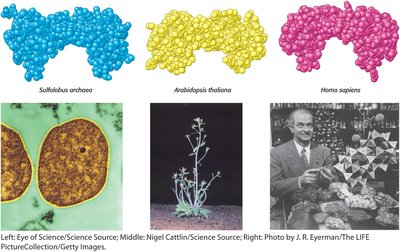
Despite the immense diversity of life, all organisms share fundamental biochemical similarities. This unity is reflected in the conservation of key biomolecules and metabolic pathways across all domains of life.
Example: The TATA-box-binding protein is found in all domains of life, highlighting evolutionary conservation.
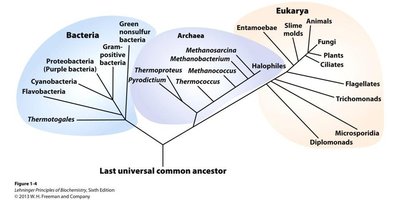
Phylogeny of the Three Domains of Life
Life is classified into three domains: Bacteria, Archaea, and Eukarya. Phylogenetic analysis based on molecular data reveals evolutionary relationships among these groups, all tracing back to a last universal common ancestor (LUCA).
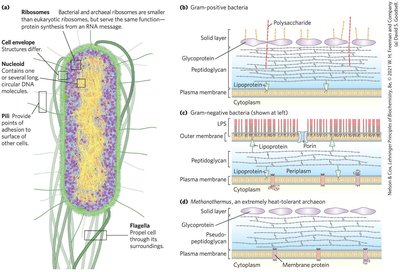
Universal Features of Living Cells
All living cells, regardless of domain, share several universal features:
Enclosed by a plasma membrane
Contain genetic material (DNA)
Utilize ribosomes for protein synthesis
Exhibit metabolic pathways for energy transformation
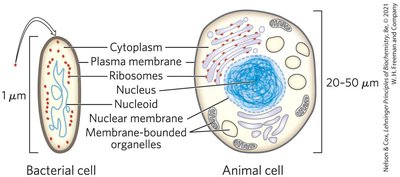
Prokaryotic and Eukaryotic Cells
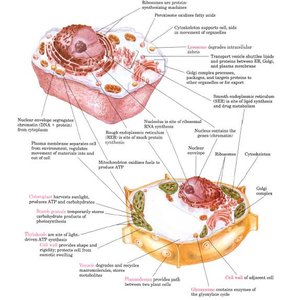
Cells are classified as prokaryotic or eukaryotic based on the presence or absence of a nucleus and membrane-bound organelles.
Prokaryotic Cells: Lack a true nucleus and membrane-bound organelles; include Bacteria and Archaea.
Eukaryotic Cells: Possess a nucleus and various membrane-bound organelles; include animals, plants, fungi, and protists.
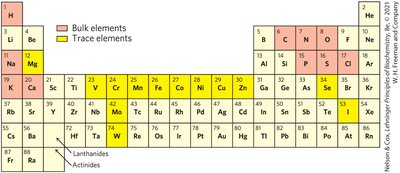
Elements Essential for Life and Health
Living organisms require a specific set of chemical elements for survival. These include bulk elements (e.g., C, H, O, N, P, S) and trace elements (e.g., Fe, Zn, Cu, Se) that play critical roles in biochemical processes.
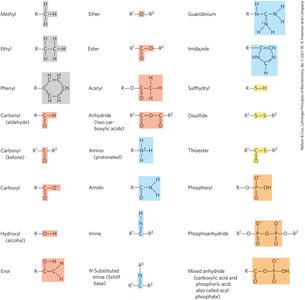
Functional Groups in Biomolecules
Biomolecules contain characteristic functional groups that determine their chemical reactivity and interactions. Common functional groups include hydroxyl, carbonyl, carboxyl, amino, phosphate, and sulfhydryl groups.
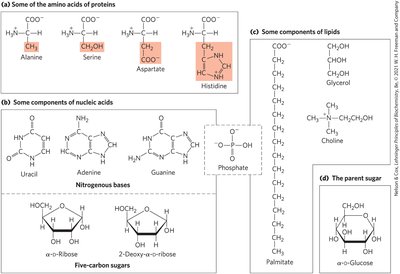
Integration of Structure and Function
Biomolecules are organized into hierarchical structures, from monomeric units to macromolecules and supramolecular complexes, which together form the basis of cellular architecture and function.
Summary Table: Major Classes of Biomolecules and Their Functions
Biomolecule | Monomer | Polymer | Main Functions |
|---|---|---|---|
Carbohydrates | Monosaccharides | Polysaccharides | Energy storage, structure |
Lipids | Fatty acids, glycerol | Triglycerides, phospholipids | Membranes, energy storage, signaling |
Nucleic Acids | Nucleotides | DNA, RNA | Genetic information storage and transfer |
Proteins | Amino acids | Polypeptides | Catalysis, structure, transport, regulation |
Additional info:
Biochemistry is foundational for understanding medicine, biotechnology, and molecular biology.
Evolutionary conservation of biomolecules supports the concept of a common origin of life.
