 뒤로
뒤로Water, Body Fluids, and Acid-Base Balance in Human Biochemistry
스터디 가이드 - 스마트 노트
 자료에 맞춘 맞춤형 노트, 핵심 정의, 예시, 맥락을 확장해 제공합니다.
The Foundations of Biochemistry
Key Elements and Composition of the Human Body
The human body is primarily composed of a few essential elements and a variety of chemical compounds that are critical for life. Understanding the elemental and molecular composition is foundational to biochemistry.
Four Key Elements: Oxygen, Carbon, Hydrogen, Nitrogen
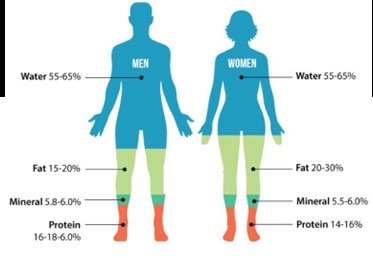
Body Composition (by mass):
Water: 60%
Protein: 16%
Triglyceride (fat): 13%
Salt: 6.2% (Insoluble: 5.5%, Soluble: 0.7%)
Carbohydrate: 1.5%
Nucleic acid: 0.2%
Main Inorganic Components: Water & salts
Main Organic Components: Proteins, triglycerides, carbohydrates, nucleic acids
Water in Biochemistry
Properties and Importance of Water
Water is the most abundant inorganic compound in the human body and is essential for numerous physiological processes.
Vital Properties of Water:
Universal solvent
Neutral pH
Transport medium
Regulation of body temperature
Cushioning and lubrication
High surface tension
Water as a Universal Solvent: Water's polarity and ability to form hydrogen bonds allow it to dissolve a wide range of substances, making it an excellent medium for biochemical reactions.
Solutions, Solvents, and Solutes
Solution: A uniform mixture of two or more substances (e.g., electrolytes or polar non-electrolytes in water).
Solvent: The liquid in which substances are dissolved (water in biological systems).
Solutes: The dissolved substances (electrolytes and polar non-electrolytes).
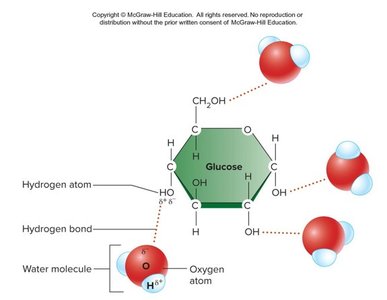
Dissolve: Solutes are separated but not broken apart in the solvent (e.g., glucose in water).
Dissociate: Solutes are broken into ions in the solvent (e.g., NaCl in water).
Electrical Dipoles and Hydrogen Bonds
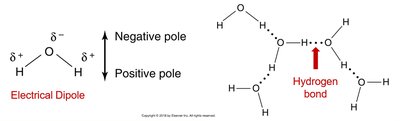
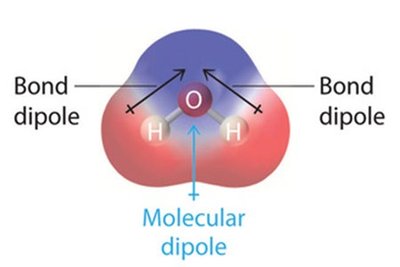
Water molecules are polar, creating electrical dipoles that enable hydrogen bonding. This property is crucial for water's solvent abilities and for the structure of biomolecules.
Electrical Dipole: Separation of charge within a molecule due to differences in electronegativity.
Hydrogen Bond: Attraction between the hydrogen atom of one water molecule and the oxygen atom of another.
Body Fluids and Fluid Compartments
Classification of Body Fluids
Body fluids are categorized based on their location, which is essential for understanding fluid balance and transport in physiology.
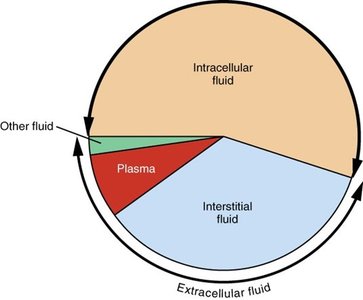
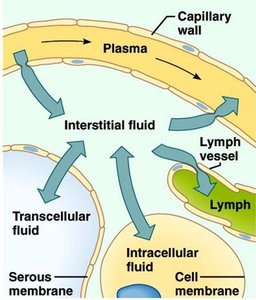
Intracellular Fluid (ICF): Fluid within cells (~64% of total body fluid; also called cytosol).
Extracellular Fluid (ECF): Fluid outside cells (~36% of total body fluid), including:
Interstitial fluid (tissue space)
Plasma (within blood vessels)
Lymph (within lymphatic vessels)
Transcellular fluids (e.g., urine, digestive juices, cerebrospinal fluid, synovial fluid)
Fluid Balance and Homeostasis
Fluid Intake: Beverages, foods, metabolic water production
Fluid Output: Urine, skin, lungs, sweat, feces
Consequences of Imbalance:
Dehydration: Insufficient water
Oedema/Water intoxication: Excessive water
Electrolytes and Non-Electrolytes
Definitions and Examples
Electrolytes: Substances that dissociate into ions in water and conduct electricity (e.g., NaCl, HCl, NaOH).
Non-Electrolytes: Substances that dissolve but do not dissociate into ions (e.g., glucose, urea, ethanol).
Major Electrolytes in Body Fluids
Intracellular Fluid: K+, Mg2+, HPO42-
Extracellular Fluid: Na+, Cl-, HCO3- (for pH regulation)
Acid-Base Balance in the Human Body
Acids, Bases, and pH
Acids: Substances that release H+ in water (pH < 7).
Bases: Substances that accept H+ or release OH- (pH > 7).
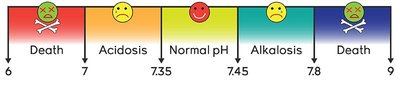
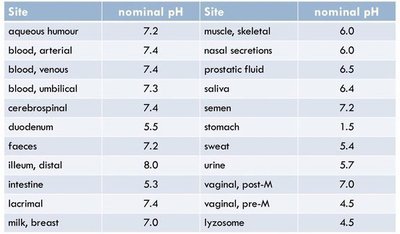
pH: A measure of hydrogen ion concentration; optimal plasma pH is 7.35–7.45.
Types of Acids in the Body
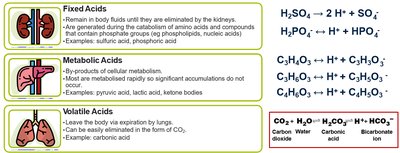
Fixed Acids: From diet, eliminated by kidneys (e.g., sulfuric acid, phosphoric acid)
Metabolic Acids: From metabolism, eliminated by kidneys (e.g., lactic acid, ketone bodies)
Volatile Acids: Carbonic acid, eliminated as CO2 by lungs
Significance of pH in Physiology
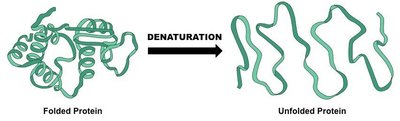
Changes in [H+] can disrupt cell membranes, alter protein structures, and affect enzyme activity.
Blood pH below 6.8 or above 7.7 is incompatible with life.
Buffering Systems in the Body
The body uses chemical and physiological buffering systems to maintain pH within the narrow optimal range.
Chemical Buffering Systems (fast):
Carbonic acid-bicarbonate buffer system (plasma)
Phosphate buffer system (cytosol)
Protein buffer system (ECF and cytosol)
Physiological Buffering Systems (slower):
Urinary system (excretes acids/bases)
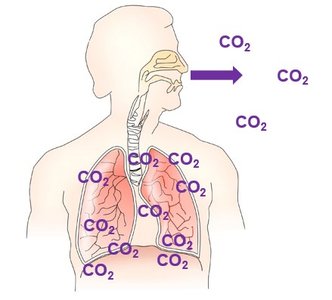
Respiratory system (eliminates CO2)

Carbonic Acid-Bicarbonate Buffer System
This system is crucial for maintaining the pH of extracellular fluid, especially blood plasma.
Key Equation:
When plasma pH < 7.35 (acidosis): HCO3- binds excess H+, forming H2CO3, which dissociates into CO2 and H2O, raising pH.
When plasma pH > 7.45 (alkalosis): More CO2 and H2O combine to form H2CO3, which dissociates into HCO3- and H+, lowering pH.
Acid-Base Disorders
Acid-base imbalances occur when there is excessive input or output of acids or bases, leading to acidosis or alkalosis.
Acidosis: Plasma pH < 7.35 (too much H+)
Alkalosis: Plasma pH > 7.45 (insufficient H+)
Major Types of Acid-Base Disorders
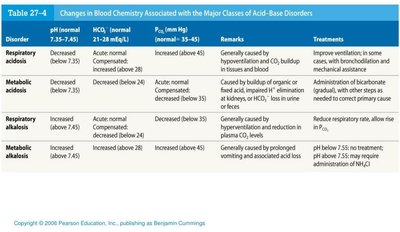
Disorder | pH | HCO3- | PaCO2 | Remarks | Treatments |
|---|---|---|---|---|---|
Respiratory acidosis | Decreased (<7.35) | Normal/Compensated: increased (>28) | Increased (>45) | Caused by hypoventilation and CO2 buildup | Improve ventilation, bronchodilators, mechanical ventilation |
Metabolic acidosis | Decreased (<7.35) | Decreased (<24) | Acute: normal; Compensated: decreased (<35) | Due to increased acid production or loss of HCO3- | Treat underlying cause, administer bicarbonate |
Respiratory alkalosis | Increased (>7.45) | Normal/Compensated: decreased (<24) | Decreased (<35) | Caused by hyperventilation and excessive CO2 loss | Reduce respiratory rate, treat underlying cause |
Metabolic alkalosis | Increased (>7.45) | Increased (>28) | Acute: normal; Compensated: increased (>45) | Due to prolonged vomiting or diuretic use | Correct pH, treat underlying cause, administer NH4Cl |
Examples and Clinical Applications
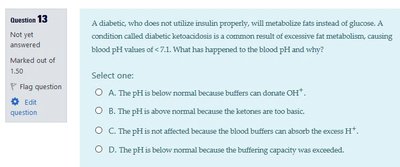
Diabetic Ketoacidosis (DKA): A condition where excessive fat metabolism leads to accumulation of ketone bodies, causing metabolic acidosis (blood pH < 7.1).
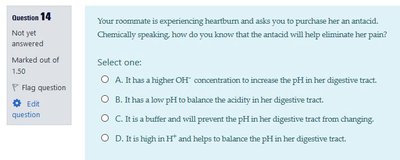
Antacids: Used to neutralize excess stomach acid, raising pH and relieving heartburn.
Water Interactions: Hydrogen Bonds and Ion-Dipole Forces
Hydrogen Bonds in Water
Hydrogen bonds are responsible for many of water's unique properties, including its high boiling point and solvent capabilities.
Hydrogen bonds form between the partially positive hydrogen of one water molecule and the partially negative oxygen of another.
These interactions are crucial for the dissolution of polar molecules and the structure of macromolecules like proteins and nucleic acids.
Ion-Dipole Interactions
Ion-dipole interactions occur when charged ions interact with polar water molecules, facilitating the dissolution of salts and other ionic compounds in biological fluids.
Example: Na+ ions are surrounded by the negative (oxygen) end of water molecules, while Cl- ions are surrounded by the positive (hydrogen) ends.
Summary Table: Key Concepts
Concept | Definition/Example |
|---|---|
Solution | Uniform mixture of solute(s) in a solvent (e.g., salt water) |
Solvent | Liquid that dissolves other substances (e.g., water) |
Electrolyte | Substance that dissociates into ions in water (e.g., NaCl) |
Non-electrolyte | Substance that dissolves but does not dissociate (e.g., glucose) |
Buffer | System that resists changes in pH (e.g., bicarbonate buffer) |
