 뒤로
뒤로Chapter 1: Biology, Evolution, and the Scientific Study of Life
스터디 가이드 - 스마트 노트
 자료에 맞춘 맞춤형 노트, 핵심 정의, 예시, 맥락을 확장해 제공합니다.
Biology and the Study of Life
What is Biology?
Biology is the scientific study of life, encompassing a wide range of questions about the nature, origin, and functioning of living organisms. It investigates life from the molecular level to the scale of entire ecosystems and the biosphere.
Key Questions: What is life? How did it arise? How does it work? Can its nature be changed or manipulated?
Branches of Biology: Includes specialized fields such as Molecular Biology, Botany, Zoology, Ichthyology, and interdisciplinary areas like Biochemistry.
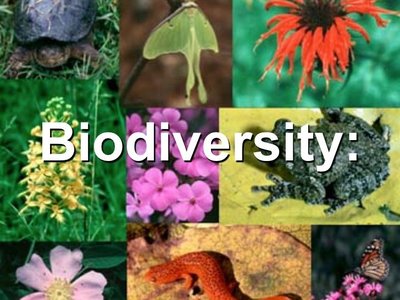
Properties of Life
Life is identified by a set of characteristics that distinguish living organisms from non-living matter.
Order: Highly ordered structure is a hallmark of life.
Energy Processing: Organisms use energy to power activities.
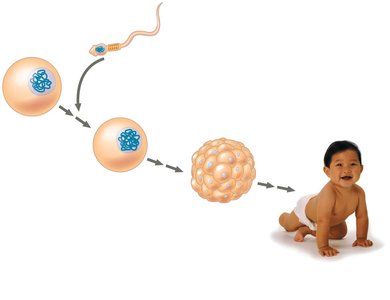
Growth and Development: Inherited information controls growth patterns.
Regulation: Homeostatic mechanisms maintain internal balance.
Reproduction: Organisms reproduce their own kind.
Response to the Environment: Organisms respond to environmental stimuli.
Evolutionary Adaptation: Populations evolve over generations.
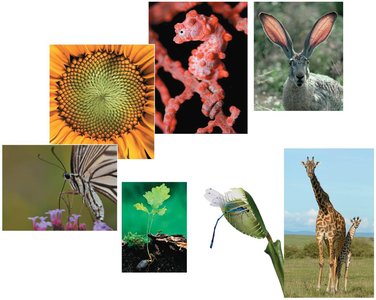
Unifying Themes in Biology
Despite its vast scope, biology is unified by several central themes:
Organization
Information
Energy and Matter
Interactions
Evolution
1. Organization
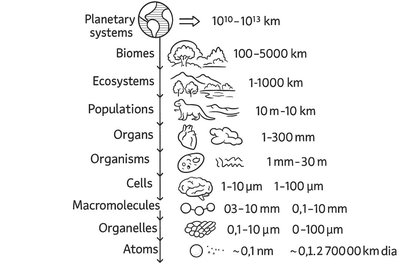
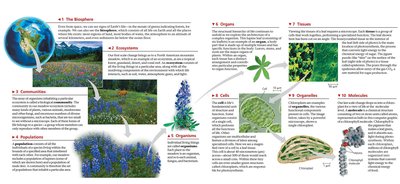
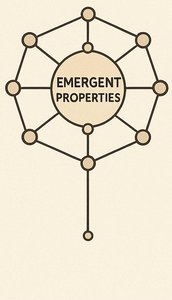
Biological systems are structured in a hierarchy, from atoms to the biosphere. Each level exhibits emergent properties—new characteristics that arise from the arrangement and interaction of parts.
Reductionism: Breaking down complex systems into simpler components for study.
Systems Biology: Analysis of interactions among parts of a biological system to understand emergent properties.
The Cell: Basic Unit of Life
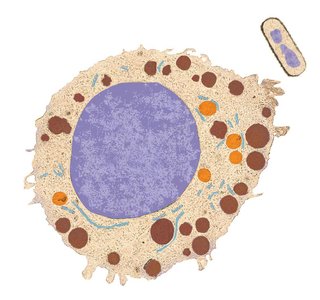
The cell is the fundamental unit of structure and function in living organisms. All cells are enclosed by a membrane that regulates material exchange with the environment.
Eukaryotic Cells: Have membrane-bound organelles, including a nucleus.
Prokaryotic Cells: Lack a nucleus and other membrane-bound organelles; generally smaller and simpler.
2. Information: Genetic Material and Gene Expression
Life’s processes depend on the expression and transmission of genetic information. DNA (deoxyribonucleic acid) is the hereditary material in all living organisms.
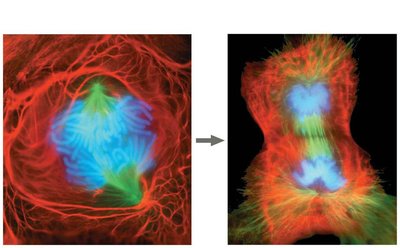
Chromosomes: Structures within cells that contain DNA and genes.
Genes: Units of inheritance that encode instructions for building proteins.
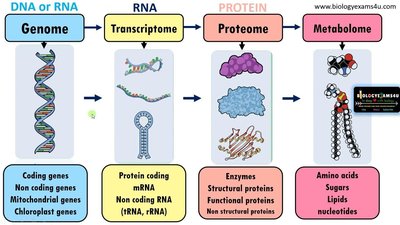
Gene Expression: The process by which information from a gene is used to synthesize a functional product (usually a protein).
Genome: The complete set of genes in an organism.
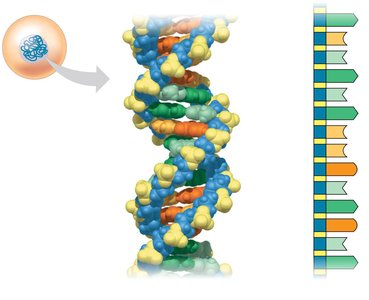
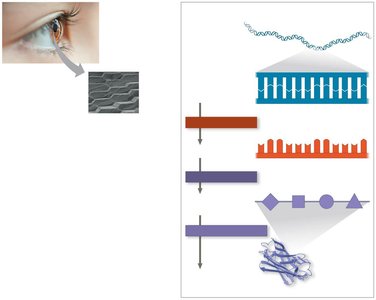
DNA Structure
DNA consists of two long chains arranged in a double helix, composed of four types of nucleotides: adenine (A), guanine (G), cytosine (C), and thymine (T).
Base Pairing: A pairs with T, and G pairs with C.
3. Energy and Matter
All living organisms require energy to carry out life’s activities. Energy flows through ecosystems, while matter cycles within them.
Producers: Organisms (like plants) that convert ambient energy (e.g., sunlight) into chemical energy.
Consumers: Organisms that obtain energy by eating other organisms.
Decomposers: Organisms that break down dead matter, returning chemicals to the environment.
4. Interactions
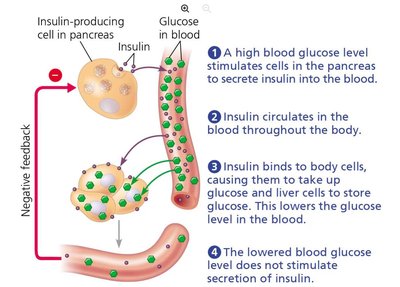
Interactions among components at all levels of biological organization are crucial for the functioning of living systems. Feedback mechanisms regulate biological processes, often maintaining homeostasis.
Feedback Regulation: The output of a process regulates that process (e.g., negative feedback in blood glucose regulation).
Homeostasis: The maintenance of a stable internal environment.
5. Evolution
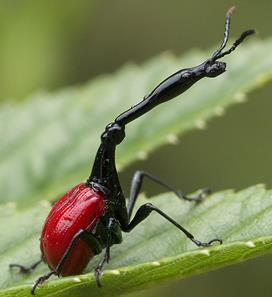
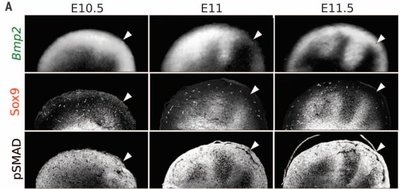
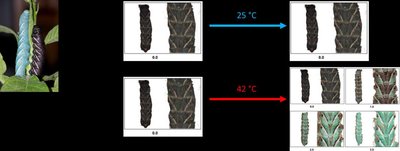
Evolution is the process by which species accumulate differences from their ancestors as they adapt to different environments over time. It is the central unifying theme of biology.
Natural Selection: The process by which individuals with advantageous traits are more likely to survive and reproduce, leading to the propagation of those traits in the population.
Descent with Modification: Species change over time, giving rise to new species while sharing a common ancestor.
Unity and Diversity of Life
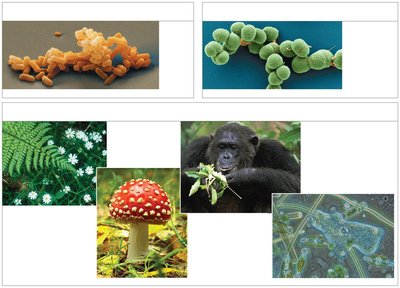
All life shares a common genetic code, but diversity arises from variations in DNA. The three domains of life are Bacteria, Archaea, and Eukarya.
Unity: All living things share fundamental characteristics and genetic material.
Diversity: Life is classified into domains and kingdoms based on genetic and structural differences.
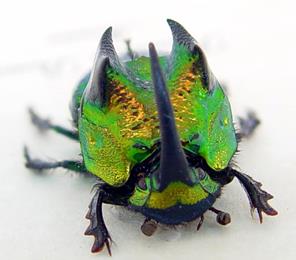
Charles Darwin and Natural Selection
Charles Darwin proposed that natural selection is the mechanism of evolution. He observed that individuals vary in heritable traits, more offspring are produced than survive, and species are adapted to their environments.
Key Points: Individuals best suited to their environment survive and reproduce; over time, beneficial traits become more common.
Biology as a Science
The Scientific Method
Biology is a science that seeks to understand the natural world through inquiry and experimentation. The scientific method involves making observations, forming hypotheses, conducting experiments, and drawing conclusions.
Hypothesis: A testable explanation for an observation.
Experiment: A controlled test to evaluate the hypothesis.
Theory: A broad explanation supported by a large body of evidence.
Case Study: Camouflage in Mouse Populations
Scientific inquiry can be illustrated by investigating whether camouflage affects predation rates in mouse populations. Controlled experiments compare groups that differ in only one variable (e.g., coloration) to determine the effect of that variable.
Experimental Group: Non-camouflaged mice.
Control Group: Camouflaged mice.
Variables: Independent (coloration), Dependent (predation rate).
Additional info: The scientific method is iterative; results from experiments can lead to new hypotheses and further investigation.
