 뒤로
뒤로Chapter 1: Evolution, the Themes of Biology, and Scientific Inquiry – Study Notes
스터디 가이드 - 스마트 노트
 자료에 맞춘 맞춤형 노트, 핵심 정의, 예시, 맥락을 확장해 제공합니다.
Introduction to the Study of Life
Key Themes in Biology
The study of life reveals several unifying themes that help organize biological knowledge. These themes include the organization of life, the role of evolution, the scientific process, and the importance of diversity in scientific inquiry.
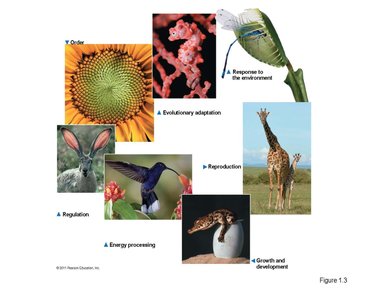
Order: Living organisms exhibit complex but ordered organization.
Evolutionary adaptation: Organisms adapt to their environments through evolutionary processes.
Response to the environment: All living things respond to environmental stimuli.
Regulation: Organisms regulate their internal environment to maintain homeostasis.
Energy processing: Life requires energy transformation for growth and maintenance.
Growth and development: Organisms grow and develop according to inherited instructions.
Reproduction: Life comes from pre-existing life through reproduction.
Emergent Properties and Biological Organization
Emergent Properties
Emergent properties are new characteristics that arise at each level of biological organization, resulting from the arrangement and interaction of parts as complexity increases. These properties are not present in the individual components but emerge when the components interact as a whole.
Examples include the functioning of a bicycle (assembled from parts) or the taste of a cake (from combined ingredients).



Levels of Biological Organization
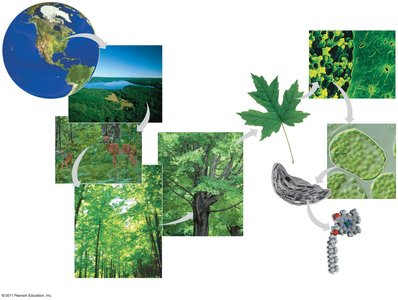
Life can be studied at different levels, from molecules to the entire biosphere. Each level demonstrates emergent properties.
Biosphere → Ecosystems → Communities → Populations → Organisms → Organs and Organ Systems → Tissues → Cells → Organelles → Molecules → Atoms
Structure and Function in Biology
Correlation of Structure and Function
At all levels of biological organization, structure and function are closely related. The shape and composition of biological structures enable their specific functions.
For example, the structure of a bird's wing is adapted for flight, and the internal structure of the wing bones supports this function.

The Cell: Basic Unit of Life
Cell Structure and Function
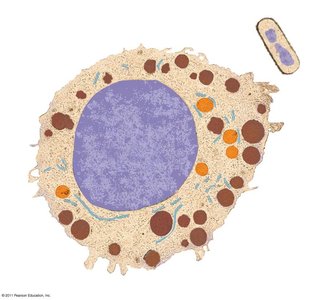
The cell is the lowest level of organization that can perform all activities required for life. Cells can be prokaryotic or eukaryotic, and all organisms are composed of one or more cells.
Heritable Information and DNA
Continuity of Life and DNA
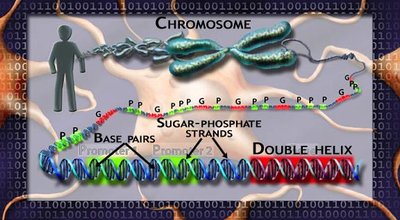
The continuity of life is based on heritable information in the form of DNA (deoxyribonucleic acid). DNA encodes genetic instructions for the development, functioning, and reproduction of organisms.
Energy Transfer and Transformation
Energy Flow in Biological Systems
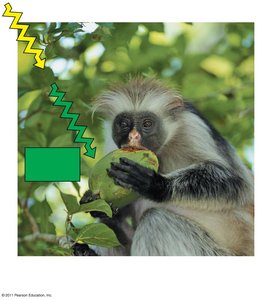
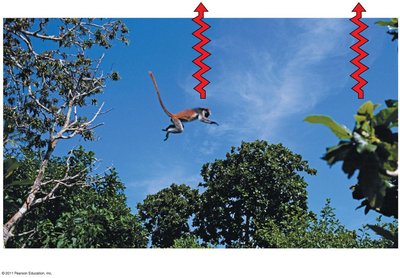
Life requires energy transfer and transformation. Organisms obtain energy from their environment and convert it into forms that sustain life processes.
Producers (e.g., plants) convert sunlight into chemical energy.
Consumers (e.g., animals) obtain energy by eating other organisms.
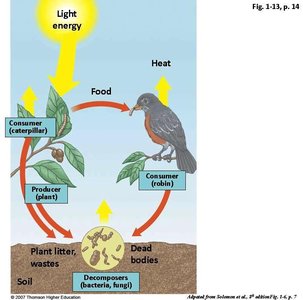
Energy flows through ecosystems, while nutrients cycle within them.
Interactions in Biological Systems
Biological Interactions
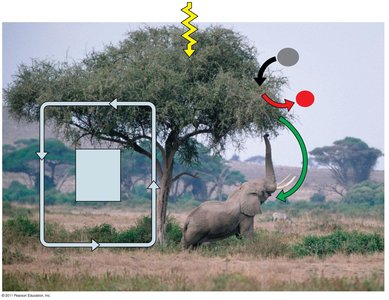
From ecosystems to molecules, interactions are crucial in biological systems. These interactions can be between organisms, between organisms and their environment, or among molecules within cells.
Examples include nutrient cycling, predator-prey relationships, and cellular signaling.
Regulation and Feedback Mechanisms
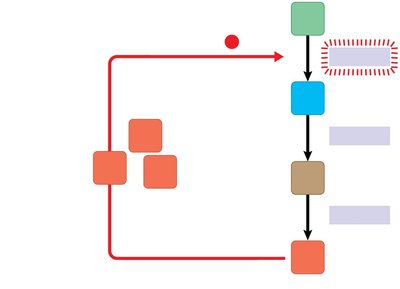
Biological systems are regulated by feedback mechanisms. Negative feedback reduces the initial stimulus, while positive feedback amplifies it.
Negative feedback is common in maintaining homeostasis (e.g., regulation of blood glucose).
Positive feedback is seen in processes like blood clotting.
Evolution: The Core Theme of Biology
Unity and Diversity of Life
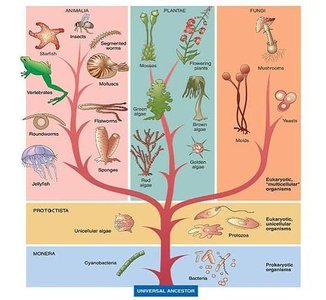
Evolution explains both the unity and diversity of life. Organisms are modified descendants of common ancestors, and evolutionary processes account for similarities and differences among species.
Unity is seen in shared traits due to common ancestry.
Diversity results from the accumulation of heritable changes.
The Process of Science
Scientific Inquiry and Hypotheses
Science is a way of knowing, based on inquiry and evidence. Scientists use observations and reasoning to form and test hypotheses.
Hypothesis: A tentative answer to a well-framed question; must be testable and falsifiable.
Experiment: A controlled test of a hypothesis.
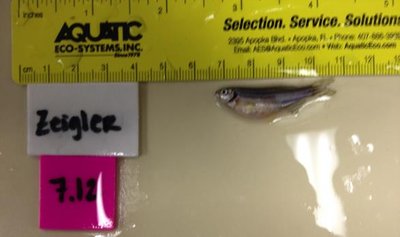
Data: Recorded observations, which can be qualitative or quantitative.

Inductive and Deductive Reasoning
Two main types of reasoning are used in science:
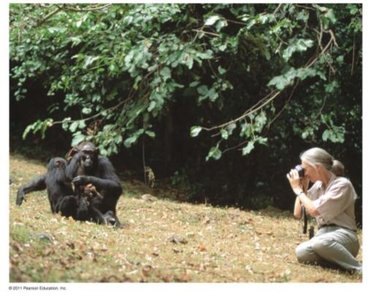
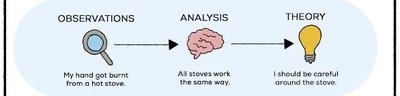
Inductive reasoning: Drawing general conclusions from specific observations.
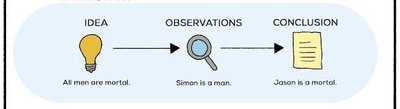
Deductive reasoning: Making specific predictions based on general premises.
Experimental Design and Variables
Experiments are designed to test hypotheses by manipulating variables:
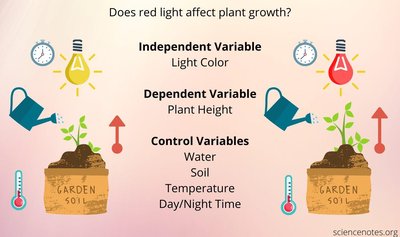
Independent variable: The factor that is changed or controlled by the experimenter.
Dependent variable: The factor that is measured or observed.
Controlled variables: Factors kept constant to ensure a fair test.
Controls and Repeatability
Experimental controls are essential for reliable results. Repeatability ensures that findings are consistent and not due to random chance.
Theory vs. Hypothesis
A theory is a broad explanation supported by a large body of evidence, while a hypothesis is a specific, testable prediction. Theories can generate new hypotheses and are modified as new evidence emerges.
Case Study: Experimental Data Interpretation
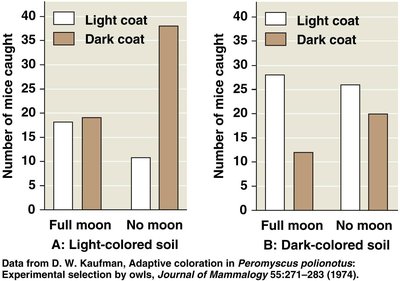
Understanding experimental results often involves interpreting data from graphs and tables. For example, studies on mouse coat color and predation demonstrate how environmental factors influence natural selection.
Summary Table: Key Differences Between Hypothesis and Theory
Aspect | Hypothesis | Theory |
|---|---|---|
Definition | Tentative, testable explanation for an observation | Broad explanation supported by evidence |
Scope | Narrow, specific | Broad, general |
Testing | Directly tested by experiments | Can generate many testable hypotheses |
Evidence | Limited | Extensive |
Conclusion
Biology is unified by core themes such as evolution, organization, energy flow, and the scientific process. Understanding these concepts provides a foundation for further study in the life sciences.
