 뒤로
뒤로Chapter 2: The Chemical Context of Life – Study Notes
스터디 가이드 - 스마트 노트
 자료에 맞춘 맞춤형 노트, 핵심 정의, 예시, 맥락을 확장해 제공합니다.
Chemistry of Life: Creating Compounds
Introduction to Matter, Elements, and Compounds
All living organisms are composed of matter, which is anything that occupies space and has mass. The study of biology requires an understanding of the chemical principles that govern the structure and behavior of matter.
Element: A substance that cannot be broken down into other substances by chemical means.
Atom: The smallest unit of an element that retains its chemical properties.
Compound: A substance consisting of two or more elements combined in a fixed ratio, exhibiting emergent properties distinct from its constituent elements.
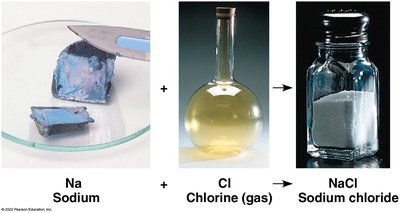
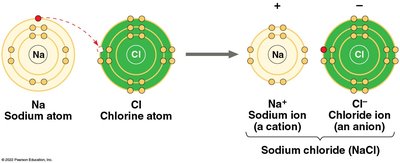
Example: Sodium (Na) and chlorine (Cl) are both dangerous in pure form, but together they form sodium chloride (NaCl), or table salt, which is essential for life.
Elements of Life
Essential and Trace Elements
Of the 92 naturally occurring elements, only a small fraction are essential for life. These elements are required for an organism to survive, grow, and reproduce.
Essential elements: Humans require 19–25 elements; plants require 16.
Limiting nutrient: The element in shortest supply relative to demand, often nitrogen for plants.
Trace elements: Required in minute quantities (e.g., iodine for thyroid function in vertebrates).
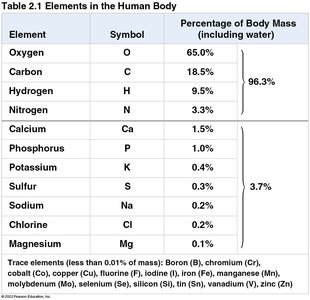
Table Purpose: The table summarizes the major elements in the human body and their relative abundance, highlighting the importance of oxygen, carbon, hydrogen, and nitrogen.
Limiting Nutrients and Plant Growth
Plant growth is often limited by the nutrient in shortest supply, as illustrated by Liebig's barrel analogy.
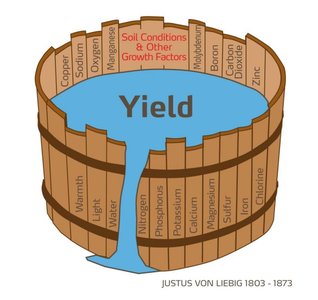
Example: If nitrogen is the shortest stave in the barrel, it limits the yield regardless of the abundance of other nutrients.
Evolution of Tolerance to Toxic Elements
Some organisms have evolved mechanisms to tolerate or detoxify harmful elements in their environment.
Phytoremediation: The use of plants (e.g., sunflowers) to remove toxic elements like lead and zinc from contaminated soils.
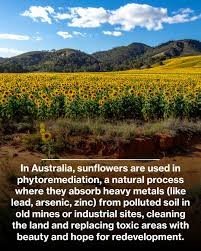
Application: Sunflowers were used to clean up soils after environmental disasters, demonstrating adaptation and practical use in environmental science.
Element Properties Depend on Atomic Structure
Atomic Structure
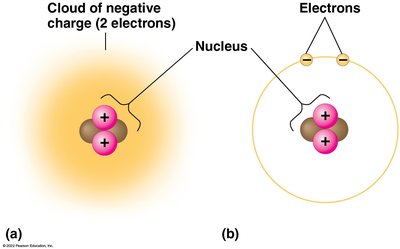
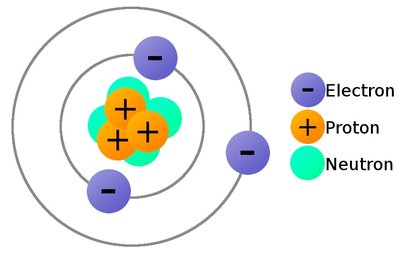
Atoms are composed of three types of subatomic particles:
Protons: Positively charged, found in the nucleus.
Neutrons: No charge, found in the nucleus.
Electrons: Negatively charged, orbit the nucleus in electron shells.
Atomic Number and Atomic Mass
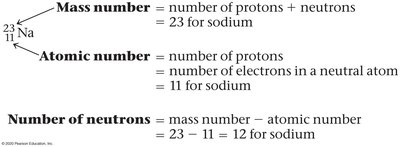
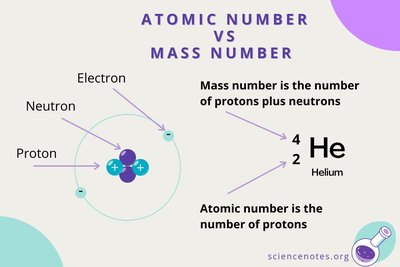
The identity and properties of an element are determined by the number of protons, neutrons, and electrons in its atoms.
Atomic number (Z): Number of protons in the nucleus (also equals the number of electrons in a neutral atom).
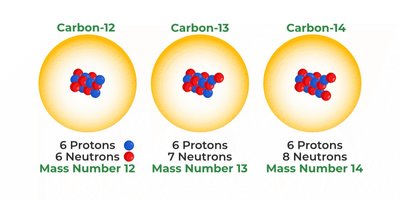
Mass number (A): Total number of protons and neutrons in the nucleus.
Number of neutrons: Calculated as mass number minus atomic number.
Isotopes
Isotopes are atoms of the same element with different numbers of neutrons, resulting in different mass numbers.
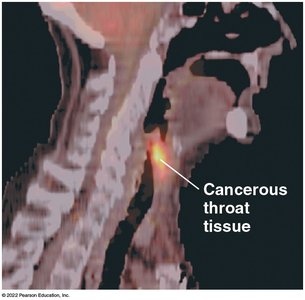
Radioactive isotopes: Unstable isotopes that decay, emitting radiation. Used in dating fossils, tracing metabolic pathways, and medical diagnostics (e.g., PET scans).
Energy and Electrons
Energy Levels and Electron Shells
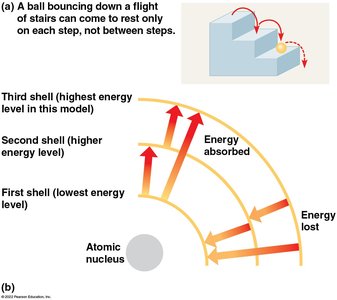
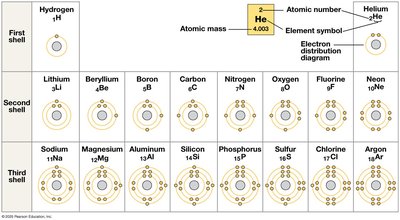
Electrons possess potential energy based on their position relative to the nucleus. They occupy specific energy levels or shells.
Electrons can move to higher energy shells by absorbing energy and fall to lower shells by releasing energy.
Electrons and Chemical Bonds
Valence Electrons and Reactivity
The chemical behavior of an atom is largely determined by the number of electrons in its outermost (valence) shell. Atoms with incomplete valence shells are reactive and tend to form chemical bonds to achieve stability.
Covalent Bonds
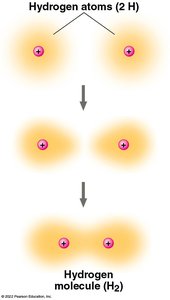
Covalent bonds involve the sharing of pairs of valence electrons between atoms, forming molecules.
Single bond: Sharing one pair of electrons.
Double bond: Sharing two pairs of electrons.
Electronegativity and Polar Covalent Bonds
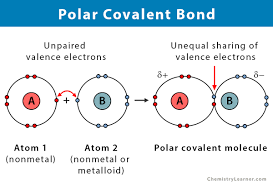
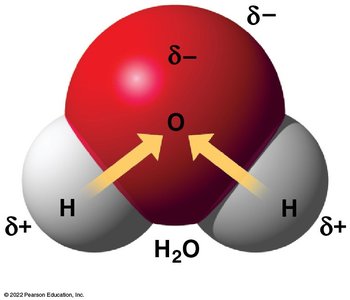
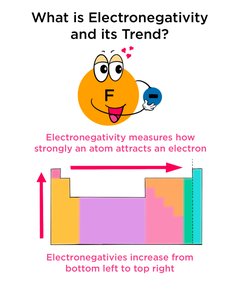
Electronegativity is the tendency of an atom to attract electrons in a covalent bond. When atoms differ in electronegativity, the shared electrons are distributed unequally, resulting in polar covalent bonds.
Ionic Bonds
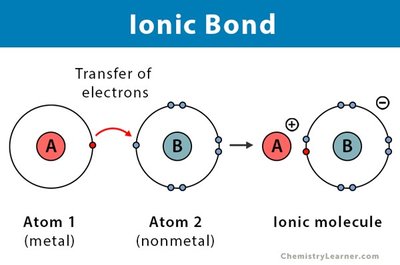
Ionic bonds form when one atom transfers electrons to another, resulting in oppositely charged ions (cations and anions) that attract each other.
Cation: Positively charged ion (lost electron).
Anion: Negatively charged ion (gained electron).
Ionic compound: A compound formed by ionic bonds, often called a salt.
Weak Chemical Interactions
Hydrogen Bonds and Van der Waals Interactions
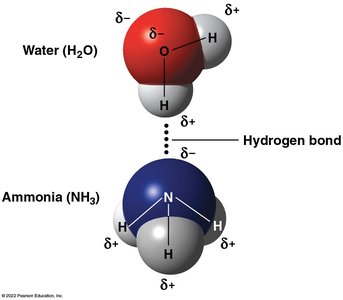
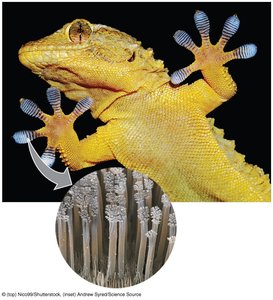
Many biological molecules are stabilized by weak interactions, including hydrogen bonds and van der Waals forces.
Hydrogen bond: Attraction between a hydrogen atom covalently bonded to an electronegative atom and another electronegative atom.
Van der Waals interactions: Weak attractions due to transient local partial charges, significant when many such interactions occur simultaneously.
Chemical Reactions
Making and Breaking Chemical Bonds
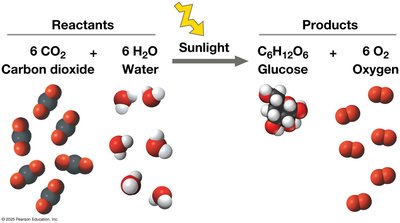
Chemical reactions involve the making and breaking of covalent bonds, transforming reactants into products.
Reactants: Starting substances in a chemical reaction.
Products: Substances formed as a result of the reaction.
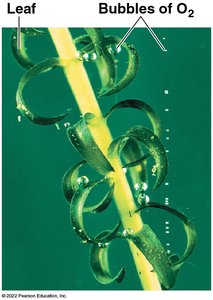
Example: Photosynthesis is a key chemical reaction in biology:
Hydrogen Bonding and Water
Properties of Water
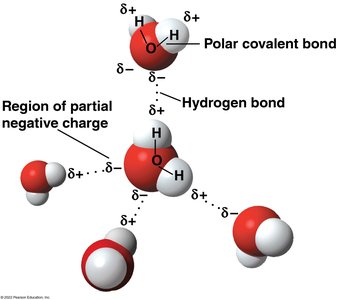
Water's unique properties arise from its polar covalent bonds and ability to form hydrogen bonds. These properties are essential for life.
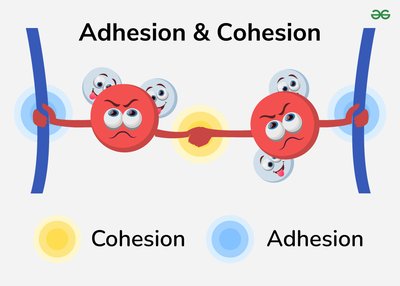
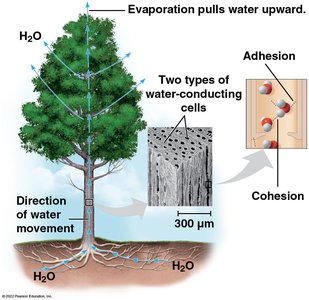
Cohesion: Water molecules stick together due to hydrogen bonding.
Adhesion: Water molecules stick to other substances.
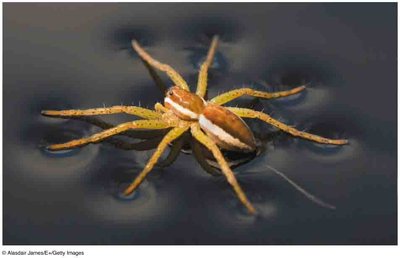
Surface tension: The measure of how difficult it is to stretch or break the surface of a liquid.
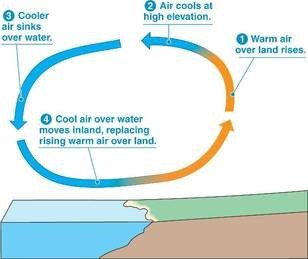
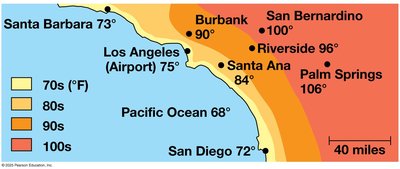
High specific heat: Water can absorb or release large amounts of heat with little temperature change.
Expansion upon freezing: Ice is less dense than liquid water, allowing it to float.
Versatility as a solvent: Water dissolves many substances, making it the solvent of life.
Surface Tension
Surface tension results from the cohesive forces between water molecules at the surface, allowing small objects or organisms to rest on the surface without sinking.
Moderation of Temperature by Water
Water moderates temperature by absorbing heat from warmer air and releasing it to cooler air, due to its high specific heat. This property helps stabilize temperatures in organisms and environments.
Floating of Ice on Liquid Water
Ice floats because hydrogen bonds in ice are more ordered, making it less dense than liquid water. This property insulates bodies of water, protecting aquatic life in cold climates.
Water: The Solvent of Life
Solutions, Solvents, and Solutes
A solution is a homogeneous mixture of substances. Water is the most versatile solvent due to its polarity, which allows it to dissolve ionic and polar substances.
Solvent: The dissolving agent (e.g., water).
Solute: The substance dissolved (e.g., salt).
Aqueous solution: A solution in which water is the solvent.
Hydrophilic and Hydrophobic Substances
Substances that interact well with water are hydrophilic, while those that do not are hydrophobic (often nonpolar, like oils).
Acids, Bases, and pH
pH Scale and Buffers
The pH scale measures the concentration of hydrogen ions (H+) in a solution. Acids increase H+ concentration (pH < 7), while bases decrease it (pH > 7). Most biological fluids have a pH between 6 and 8.
Buffer: A substance that minimizes changes in pH by accepting or donating H+ ions as needed.
Example: Buffers are crucial for maintaining the internal pH of living cells near neutrality (pH ≈ 7).
