 뒤로
뒤로Chapter 37: Communities and Ecosystems – Structure, Dynamics, and Interactions
스터디 가이드 - 스마트 노트
 자료에 맞춘 맞춤형 노트, 핵심 정의, 예시, 맥락을 확장해 제공합니다.
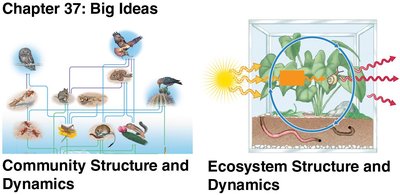
Community Structure and Dynamics
Biological Communities and Community Ecology
A biological community consists of all the populations of different species that inhabit a particular area and interact with one another. Community ecology studies the factors that influence the composition and dynamics of these communities, including the interactions among species and their environment.
Interspecific Interactions
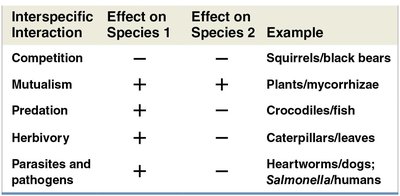
Interspecific interactions are relationships between individuals of different species within a community. These interactions significantly affect population structure and community dynamics. The main types of interspecific interactions are summarized below:
Interspecific Interaction | Effect on Species 1 | Effect on Species 2 | Example |
|---|---|---|---|
Competition | – | – | Squirrels/black bears |
Mutualism | + | + | Plants/mycorrhizae |
Predation | + | – | Crocodiles/fish |
Herbivory | + | – | Caterpillars/leaves |
Parasites and pathogens | + | – | Heartworms/dogs; Salmonella/humans |
Competition and Ecological Niches
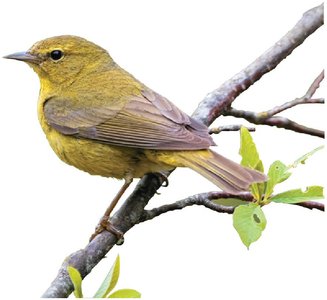
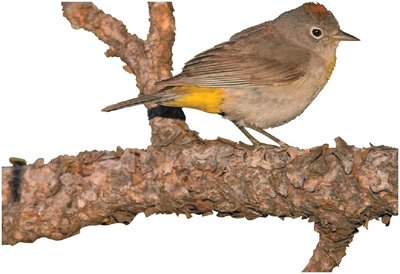
Interspecific competition occurs when two species compete for the same limited resource, often resulting in reduced carrying capacity for both. An ecological niche is the sum of an organism’s use of biotic and abiotic resources in its environment. When niches overlap, competition intensifies.
Mutualism
Mutualism is an interaction where both species benefit. For example, reef-building corals and photosynthetic dinoflagellates exchange nutrients and shelter, enhancing survival for both partners.
Predation and Prey Adaptations
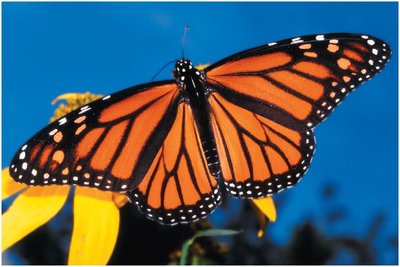
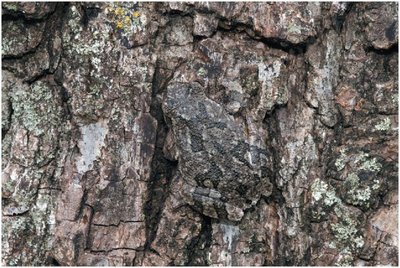
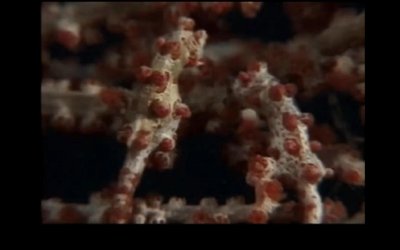
Predation benefits the predator but is harmful to the prey. Prey species have evolved various adaptations to avoid predation, such as camouflage, mechanical defenses (spines, shells), and chemical defenses (toxins).
Herbivory and Plant Defenses
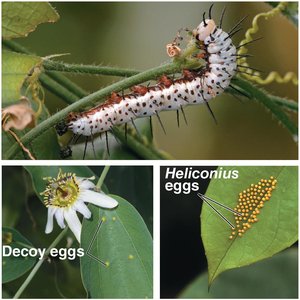
Herbivory occurs when animals consume plant parts or algae. Plants have evolved defenses such as spines, thorns, and chemical toxins to deter herbivores. Some plant toxins are used medicinally by humans. Coevolution, where two species reciprocally affect each other's evolution, is common in plant-herbivore interactions.
Parasitism and Pathogens
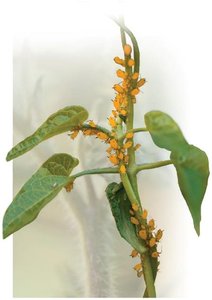
Parasites live on or in a host, obtaining nourishment at the host’s expense. Pathogens are disease-causing microscopic parasites, including bacteria, viruses, fungi, and protists. Both can significantly alter community composition, especially when non-native pathogens are introduced.
Trophic Structure and Food Webs
Trophic Levels and Food Chains
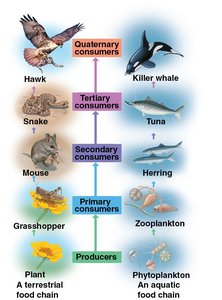
Every community has a trophic structure, which is the pattern of feeding relationships among organisms. The sequence of food transfer is called a food chain, moving energy and nutrients from producers (autotrophs) to various levels of consumers (heterotrophs):
Primary consumers: Herbivores
Secondary consumers: Eat herbivores
Tertiary consumers: Eat secondary consumers
Quaternary consumers: Eat tertiary consumers
Detritivores and Decomposers
Detritivores (e.g., earthworms) consume dead organic matter, while decomposers (mainly prokaryotes and fungi) break down organic material into inorganic nutrients through decomposition, recycling nutrients in the ecosystem.
Food Webs
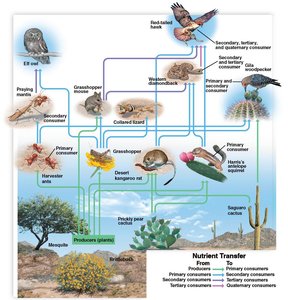
A food web is a network of interconnecting food chains, providing a more realistic representation of feeding relationships in a community. Organisms may occupy multiple trophic levels within a food web.
Species Diversity and Keystone Species
Species Diversity
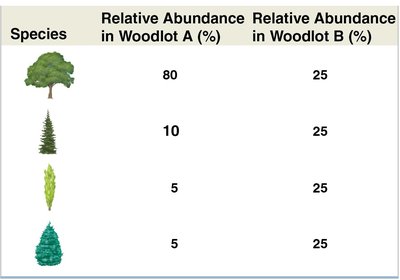
Species diversity is measured by species richness (number of species) and relative abundance (proportion of each species). High diversity often indicates a stable and resilient community.
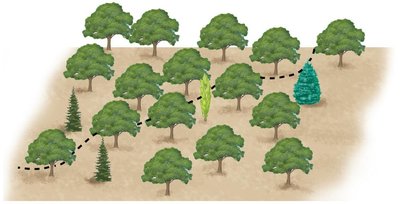
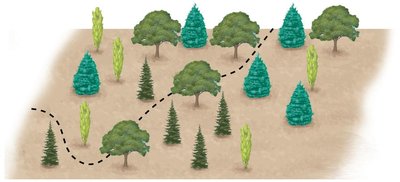
Species | Relative Abundance in Woodlot A (%) | Relative Abundance in Woodlot B (%) |
|---|---|---|
| 80 | 25 |
| 10 | 25 |
| 5 | 25 |
| 5 | 25 |
Keystone Species
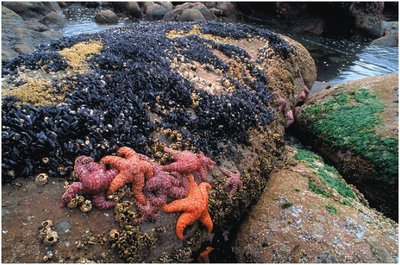
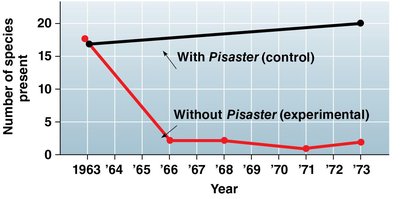
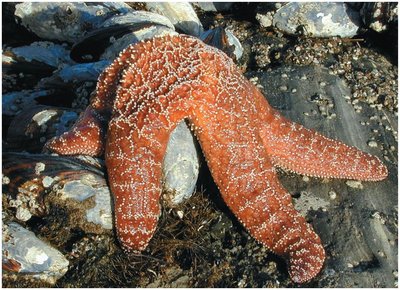
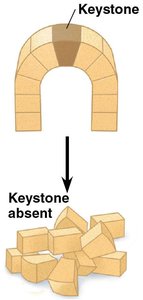
A keystone species has a disproportionately large effect on its community relative to its abundance. Removal of a keystone species can lead to dramatic changes in community structure and loss of diversity.
Disturbance and Succession
Disturbance in Communities
Disturbances such as storms, fires, and human activities can alter communities by removing organisms or changing resource availability. Some disturbances can increase diversity, while severe disturbances may drastically change community structure.
Ecological Succession
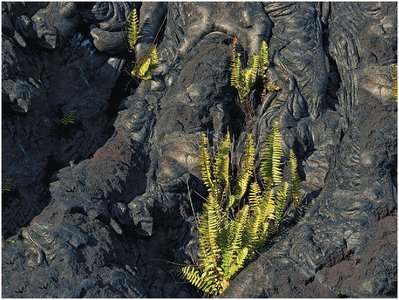
Ecological succession is the process of change in species composition over time. Primary succession occurs on barren surfaces (e.g., lava flows), while secondary succession follows disturbances that leave soil intact (e.g., after a fire).
Ecosystem Structure and Dynamics
Energy Flow and Chemical Cycling
An ecosystem includes all organisms in a community and their abiotic environment. Energy flow moves through the ecosystem (from sunlight to producers to consumers), while chemical cycling recycles matter within the ecosystem.
Primary Production
Primary production is the conversion of solar energy to chemical energy by producers. Gross primary production is the total energy captured, while net primary production is the energy available to consumers after producers' respiration.
Energy Pyramids and Food Chain Length
An energy pyramid shows the flow of energy through trophic levels. Only about 10% of energy is transferred from one level to the next, limiting the length of food chains and the number of top-level consumers an ecosystem can support.
Biogeochemical Cycles
Biogeochemical cycles describe the movement of elements like carbon, nitrogen, and phosphorus between living organisms and the abiotic environment. These cycles are essential for ecosystem function and sustainability.
Carbon cycle: Involves photosynthesis, respiration, and decomposition.
Nitrogen cycle: Depends on bacteria for nitrogen fixation, nitrification, and denitrification.
Phosphorus cycle: Involves weathering of rocks and movement through food webs; lacks a significant atmospheric component.
Eutrophication and Human Impact
Excessive nutrient input (especially nitrogen and phosphorus) from fertilizers can cause eutrophication in aquatic systems, leading to algal blooms, oxygen depletion, and loss of species diversity. Human activities threaten ecosystem services essential for human well-being, such as water purification, nutrient cycling, and climate regulation.
Sustainability
Sustainability is the responsible management of resources to meet current needs without compromising future generations' ability to meet theirs.
