 뒤로
뒤로Echinoderms and Chordates: Deuterostome Diversity and Development
스터디 가이드 - 스마트 노트
 자료에 맞춘 맞춤형 노트, 핵심 정의, 예시, 맥락을 확장해 제공합니다.
Echinoderms and Chordates: Deuterostome Diversity
Overview of Deuterostomia
Deuterostomia is a major clade within the animal kingdom, encompassing both echinoderms and chordates. These groups share unique developmental characteristics and are distinguished from other animal clades by their embryonic development and anatomical features.
Deuterostomes include echinoderms (sea stars, sea urchins) and chordates (vertebrates and invertebrate chordates).
They are characterized by radial and indeterminate cleavage during embryogenesis and the formation of the anus from the blastopore.
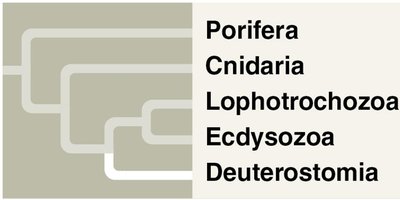
Deuterostomia is one of several major animal clades, alongside Porifera, Cnidaria, Lophotrochozoa, and Ecdysozoa.
Deuterostome Developmental Characteristics
Deuterostomes exhibit distinctive embryonic development, which sets them apart from protostomes.
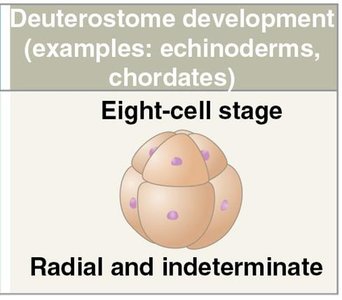
Radial cleavage: Cells divide parallel or perpendicular to the vertical axis, resulting in a symmetrical arrangement.
Indeterminate cleavage: Early embryonic cells retain the capacity to develop into a complete organism.
Blastopore becomes the anus: In deuterostomes, the first opening formed during gastrulation develops into the anus.
Echinoderms
General Features of Echinoderms
Echinoderms are exclusively marine animals known for their unique water vascular system and pentaradial symmetry in adults.
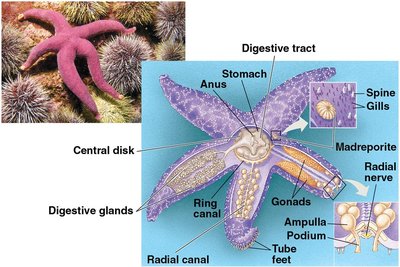
Water vascular system: A network of hydraulic canals branching into tube feet, used for locomotion and feeding.
Endoskeleton: Composed of hard calcareous plates, often prickly.
Coelom: True body cavity present.
Separate sexes: Most species have external fertilization.
Symmetry: Adults exhibit (not truly) radial symmetry; larvae are bilaterally symmetrical.
Water Vascular System and Tube Feet
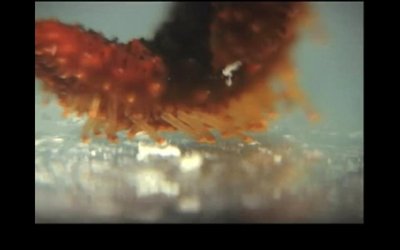
The water vascular system is a defining feature of echinoderms, enabling movement and feeding.
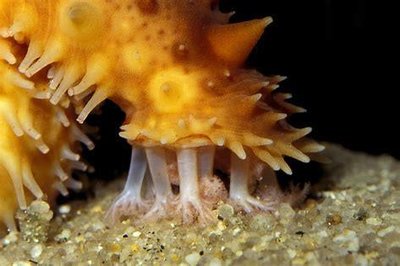
Tube feet: Extend from the hydraulic canals, used for gripping substrates and manipulating prey.
Locomotion: Tube feet contract and expand, allowing slow movement.
Feeding: Tube feet can pry open bivalves; digestion often occurs externally.
Body Symmetry
Adult echinoderms appear to have radial symmetry, but this is not perfectly central due to the offset opening of the water vascular system. Larvae are bilaterally symmetrical.
Major Clades of Echinoderms
Living echinoderms are classified into five main clades, each with distinct anatomical and ecological features.
Asteroidea: Sea stars and sea daisies
Ophiuroidea: Brittle stars
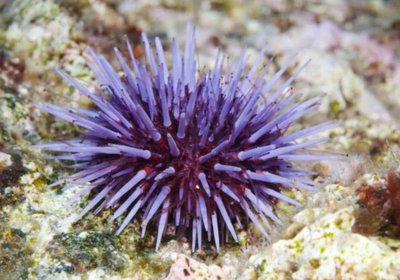
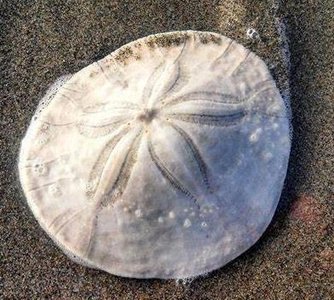
Echinoidea: Sea urchins and sand dollars
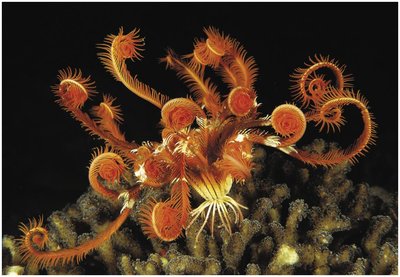
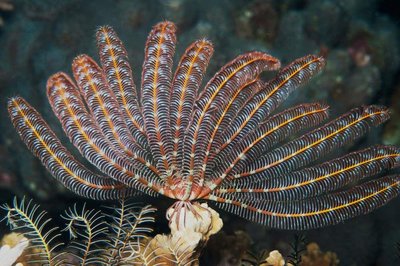
Crinoidea: Sea lilies and feather stars
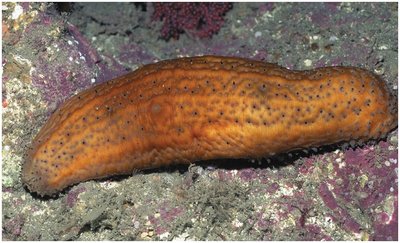
Holothuroidea: Sea cucumbers
Asteroidea: Sea Stars and Sea Daisies
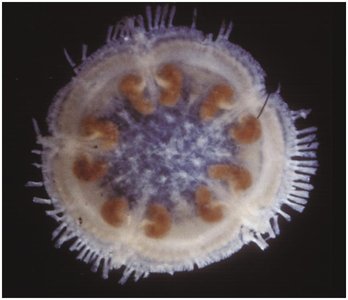
Sea stars have arms radiating from a central disk, with tube feet on the undersurface. Sea daisies are disk-shaped, armless species living on submerged wood.
Tube feet: Used for movement and feeding, grip substrate with adhesive chemicals.
Regeneration: Many sea stars can regrow lost arms.
Sea daisies: Absorb nutrients through a membrane; less than a centimeter in diameter.
Ophiuroidea: Brittle Stars
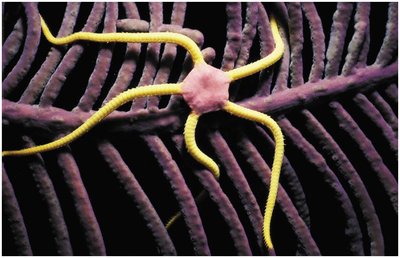
Brittle stars have a distinct central disk and long, flexible arms used for movement. They may be suspension feeders, predators, or scavengers.
Tube feet: Used for gripping substrate.
Movement: Arms are highly flexible and used for locomotion.
Echinoidea: Sea Urchins and Sand Dollars
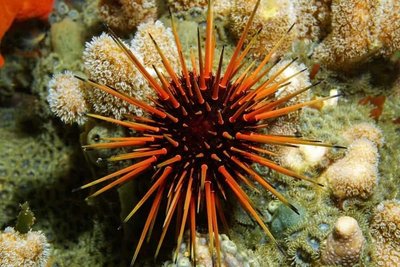
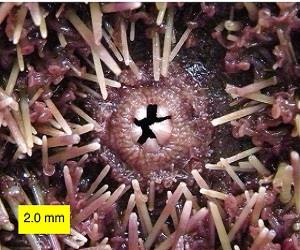
Sea urchins and sand dollars lack arms but have five rows of tube feet for movement. Sea urchins are spherical, sand dollars are flat disks.
Spines: Used for movement and protection.
Feeding: Sea urchins feed on seaweed using jaw-like structures.
Crinoidea: Sea Lilies and Feather Stars
Sea lilies are attached to the substrate by a stalk, while feather stars can crawl using long, flexible arms. Both use their arms for suspension feeding.
Holothuroidea: Sea Cucumbers
Sea cucumbers are elongated, lack spines, and have reduced endoskeletons. They possess five rows of tube feet, some modified as feeding tentacles.
Chordates
Phylum Chordata: Key Characteristics
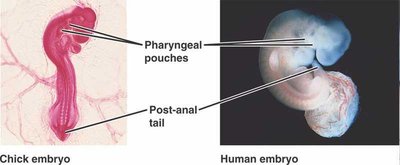
Chordates are defined by four key anatomical features present at some stage in their life cycle.
Notochord: Flexible rod for support, replaced by vertebrae in adult vertebrates.
Dorsal, hollow nerve cord: Develops from ectoderm above the notochord.
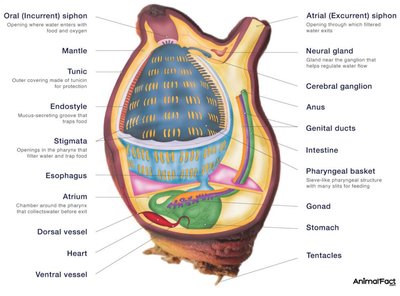
Pharyngeal slits: Located posterior to the mouth, used for filter feeding, gas exchange, and other functions.
Post-anal tail: Extends beyond the anus.
Invertebrate Chordates
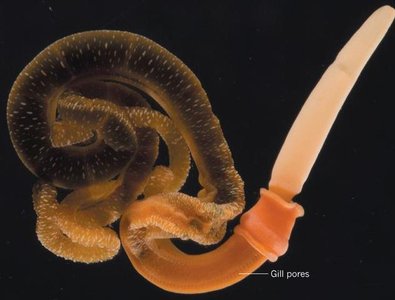
Chordates include both vertebrate and invertebrate groups. Invertebrate chordates retain some or all chordate features throughout life.
Hemichordata: Acorn worms; notochord reduced or absent.
Urochordata: Tunicates; adults are sessile or planktonic without a notochord, larva with notochord.
Cephalochordata: Lancelets; retain all chordate characteristics throughout life.
Vertebrates
Vertebrates are chordates with a backbone. They include jawless fish (hagfish), jawed vertebrates (gnathostomes), and bony fish (osteichthyes).
Hagfish: Primitive, jawless fish with cartilaginous skeletons.
Gnathostomes: Jawed vertebrates, including bony fish.
Osteichthyes: Largest class of bony fishes, nearly half of all living vertebrates.
Summary Table: Echinoderm Clades and Features
Clade | Main Features | Example |
|---|---|---|
Asteroidea | Arms radiate from central disk, tube feet, regeneration | Sea stars, sea daisies |
Ophiuroidea | Central disk, long flexible arms, tube feet | Brittle stars |
Echinoidea | No arms, five rows of tube feet, spines | Sea urchins, sand dollars |
Crinoidea | Stalked or crawling, suspension feeding | Sea lilies, feather stars |
Holothuroidea | Elongated, reduced endoskeleton, tube feet | Sea cucumbers |
Key Terms and Concepts
Deuterostome: Animal whose anus develops from the blastopore.
Water vascular system: Hydraulic system unique to echinoderms.
Notochord: Supportive rod in chordates.
Pharyngeal slits: Openings used for feeding and respiration.
Radial symmetry: Symmetry around a central axis.
Bilateral symmetry: Symmetry along a single plane.
Important Equations and Diagrams
While this section focuses on anatomy and development, the following equation is relevant for understanding symmetry:
Radial symmetry:
Bilateral symmetry:
Additional info: This study guide expands on the original notes by providing definitions, examples, and a summary table for clarity. All images included directly reinforce the anatomical or developmental concepts discussed.
