 뒤로
뒤로Fundamental Chemistry and Cell Structure for General Biology
스터디 가이드 - 스마트 노트
 자료에 맞춘 맞춤형 노트, 핵심 정의, 예시, 맥락을 확장해 제공합니다.
Introduction to Biology
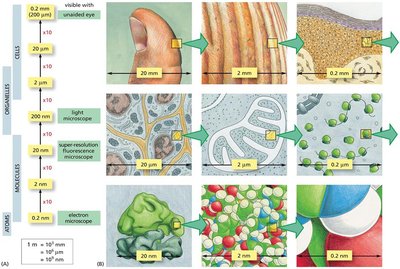
Levels of Biological Organization
Biology studies life at multiple levels, from atoms and molecules to cells and organisms. Understanding these levels is essential for grasping the complexity of living systems.
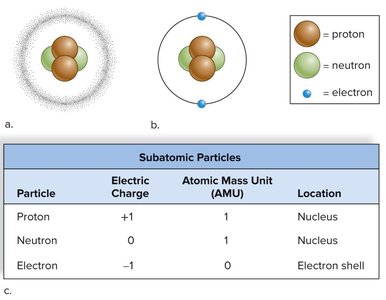
Atoms: The smallest units of matter, composed of protons, neutrons, and electrons.
Molecules: Groups of atoms bonded together, forming the chemical basis of life.
Organelles: Specialized structures within cells that perform distinct functions.
Cells: The basic unit of life, capable of performing all necessary functions for survival.
Chemistry
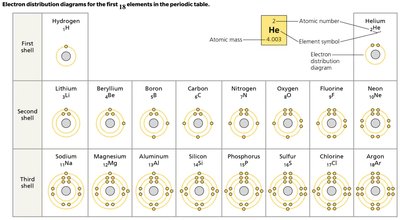
Atoms and Elements
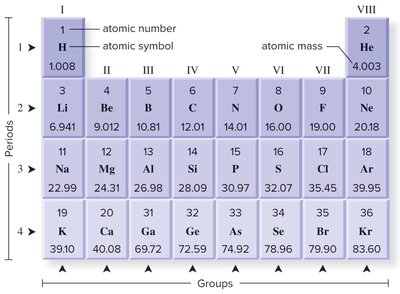
Atoms are the fundamental building blocks of matter. Elements are defined by the number of protons in their atoms.
Atomic Number: Number of protons in the nucleus; defines the element.
Mass Number: Sum of protons and neutrons.
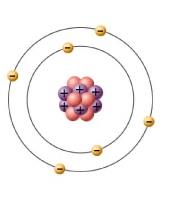
Subatomic Particles: Protons (+1 charge), neutrons (0 charge), electrons (-1 charge).

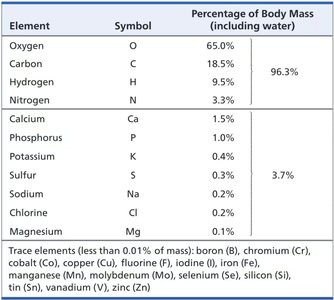
Elements Essential for Life
Living organisms are primarily composed of a few key elements.
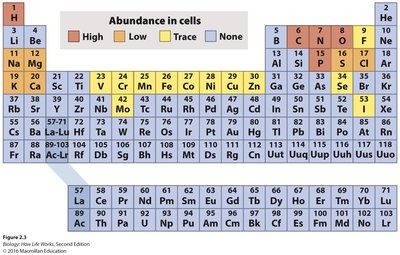
Major Elements: Oxygen, Carbon, Hydrogen, Nitrogen.
Minor Elements: Calcium, Phosphorus, Potassium, Sulfur, Sodium, Chlorine, Magnesium.
Trace Elements: Required in very small amounts for proper biological function.
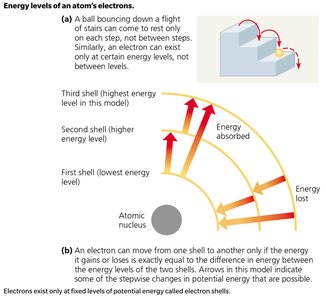
Energy Levels and Electron Shells
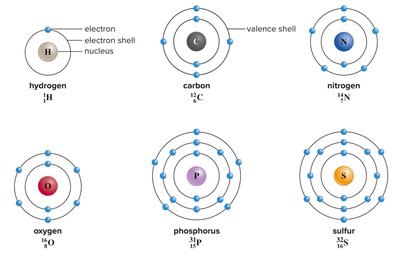
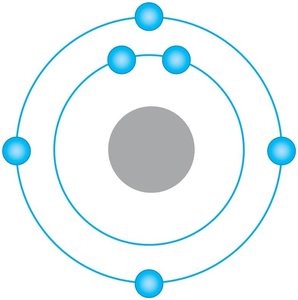
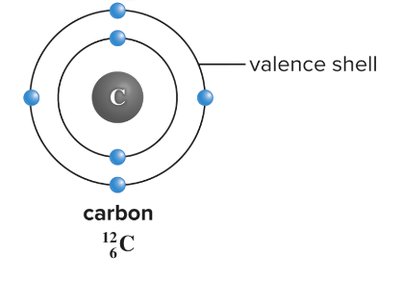
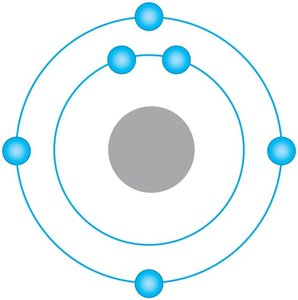
Electrons occupy specific energy levels or shells around the nucleus. The arrangement of electrons determines an atom's chemical properties.
Valence Electrons: Electrons in the outermost shell; responsible for chemical reactivity.
Octet Rule: Atoms are most stable when their valence shell is full (usually 8 electrons).
Biomolecules
Composition of Biomolecules
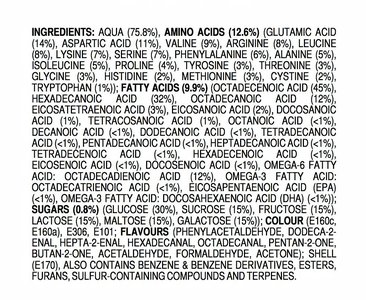
Biomolecules are composed of atoms and elements arranged in specific ways to form proteins, lipids, carbohydrates, and nucleic acids.
Proteins: Made of amino acids; perform structural and functional roles.
Lipids: Composed of fatty acids; important for energy storage and membrane structure.
Carbohydrates: Made of sugars; provide energy and structural support.
Nucleic Acids: DNA and RNA; store and transmit genetic information.
Cell Components
Structure of Eukaryotic Cells
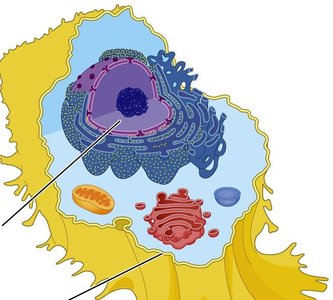
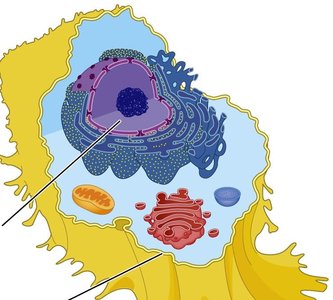
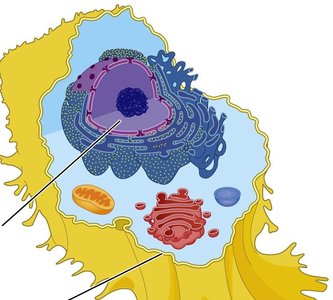
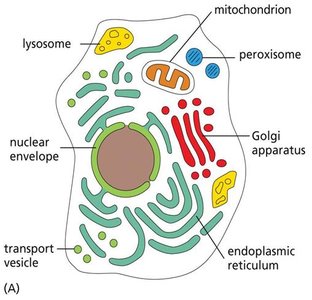
Eukaryotic cells contain membrane-bound organelles that perform specialized functions.
Nucleus: Contains DNA; controls cellular activities.
Mitochondria: Site of cellular respiration; produces energy.
Golgi Apparatus: Modifies, sorts, and packages proteins and lipids.
Endoplasmic Reticulum: Synthesizes proteins and lipids.
Lysosomes: Digest cellular waste.
Peroxisomes: Break down fatty acids and detoxify harmful substances.
Chemical Bonds
Types of Chemical Bonds
Atoms interact to achieve stability by forming chemical bonds.
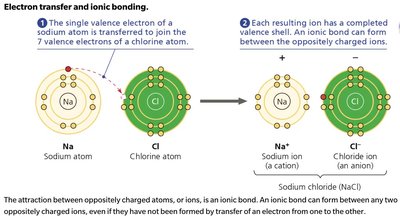
Ionic Bonds: Formed by transfer of electrons between atoms, resulting in charged ions.
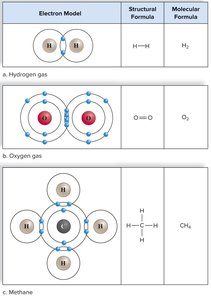
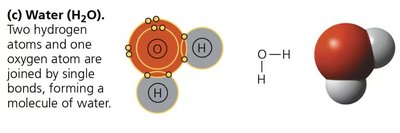
Covalent Bonds: Formed by sharing electrons between atoms; can be polar or nonpolar.
Polar Covalent Bonds: Unequal sharing of electrons, resulting in partial charges.
Nonpolar Covalent Bonds: Equal sharing of electrons, no charge difference.
Bond Formation and Electronegativity
Electronegativity is the ability of an atom to attract shared electrons. The difference in electronegativity between two atoms determines the type of bond formed.
Electronegativity Scale: Large differences (>1.7) result in ionic bonds; moderate differences result in polar covalent bonds; small differences result in nonpolar covalent bonds.
Partial Charges: Polar covalent bonds create partial positive (δ+) and partial negative (δ-) charges.
Redox Reactions
Redox reactions involve the transfer of electrons between atoms.
Oxidation: Loss of electrons.
Reduction: Gain of electrons.
OIL RIG: Oxidation Is Loss, Reduction Is Gain.
Summary Table: Elements in the Human Body
Element | Symbol | Percentage of Body Mass |
|---|---|---|
Oxygen | O | 65.0% |
Carbon | C | 18.5% |
Hydrogen | H | 9.5% |
Nitrogen | N | 3.3% |
Calcium | Ca | 1.5% |
Phosphorus | P | 1.0% |
Potassium | K | 0.4% |
Sulfur | S | 0.3% |
Sodium | Na | 0.2% |
Chlorine | Cl | 0.2% |
Magnesium | Mg | 0.1% |
Key Equations
Atomic Number:
Mass Number:
Octet Rule: (for electron shells)
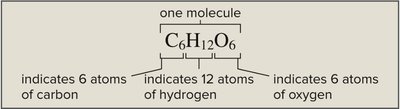
Glucose Formula:
Example: Formation of Sodium Chloride
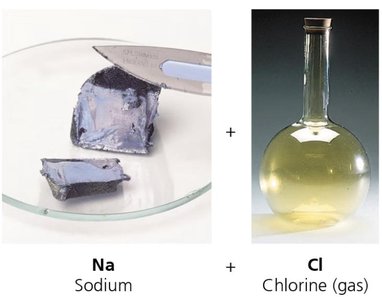
Sodium (Na): Donates an electron to chlorine (Cl).
Chlorine (Cl): Accepts an electron from sodium.
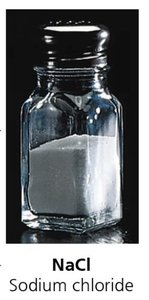
Result: Formation of Na+ and Cl- ions, which combine to form NaCl (table salt).
Additional info:
Biomolecules are often classified by their polarity, which affects their function and interaction in biological systems.
Cellular organelles are specialized for distinct biochemical processes, such as energy production, protein synthesis, and waste removal.
