 뒤로
뒤로ch 21 study guide
스터디 가이드 - 스마트 노트
 자료에 맞춘 맞춤형 노트, 핵심 정의, 예시, 맥락을 확장해 제공합니다.
Genomes and Their Evolution
Introduction to Genomics and Bioinformatics
Genomics is the study of whole sets of genes and their interactions within a species, while bioinformatics applies computational methods to the storage and analysis of biological data. The Human Genome Project was a landmark effort that fostered the development of faster, less expensive sequencing techniques and established the foundation for modern genomics and bioinformatics.
Genome Sequencing Approaches
Human Genome Project: Officially began in 1990 and published the human genome sequence in 2006. The reference genome was created from pooled DNA samples and represents the best consensus sequence for the species.
Sequencing Methods: The dideoxy chain termination method and the whole-genome shotgun approach were both used. The shotgun approach involves randomly cutting DNA, sequencing fragments, and assembling them computationally.
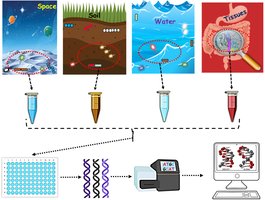
Next-Generation Sequencing: Modern techniques allow for rapid sequencing without the need for cloning, enabling metagenomics—the sequencing of DNA from environmental samples containing multiple species.
Bioinformatics Resources and Tools
Databases: The National Center for Biotechnology Information (NCBI) maintains GenBank, a comprehensive DNA sequence database. Other major resources include the European Molecular Biology Laboratory and the DNA Data Bank of Japan.
Software Tools: BLAST (Basic Local Alignment Search Tool) allows users to compare DNA or protein sequences to those in GenBank. Other tools identify conserved protein domains and provide 3D models of proteins.
Protein Data Bank: A global repository for three-dimensional protein structures.
Gene Annotation and Functional Genomics
Gene annotation is the process of identifying protein-coding genes within DNA sequences. It uses computational searches for gene signals, comparison to known genes, and experimental evidence of gene expression (e.g., RNA-seq).
Systems Biology
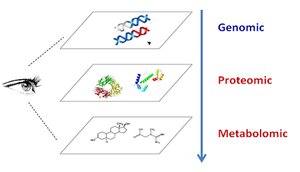
Systems biology integrates genomics, proteomics, and metabolomics to study the interactions and functions of biological molecules in a holistic manner. This approach is essential for understanding complex biological systems and diseases such as cancer.
Applications in Medicine
Cancer Genomics: Projects like the Pan-Cancer Atlas use high-throughput sequencing and gene expression analysis (e.g., DNA microarrays, RNA-seq) to understand tumor biology and personalize treatment.

Genome Structure and Variation
Genome Size, Gene Number, and Gene Density
Genome Size: Bacterial and archaeal genomes range from 1–6 million base pairs (Mb), while eukaryotic genomes are typically much larger (e.g., humans have 3,000 Mb).
Gene Number: Not directly correlated with genome size. Humans have about 21,300 genes, while some simpler organisms have more or fewer genes.
Gene Density: Humans and other mammals have low gene density, with many introns and large amounts of noncoding DNA.
Noncoding DNA and Multigene Families
Noncoding DNA: About 98.5% of the human genome does not code for proteins, rRNAs, or tRNAs. This includes regulatory sequences, introns, pseudogenes, and repetitive DNA.
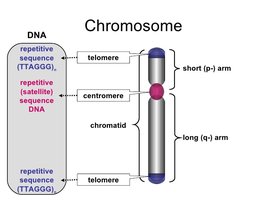
Repetitive DNA: Includes transposable elements, simple sequence DNA, and short tandem repeats (STRs). Plays structural and regulatory roles.
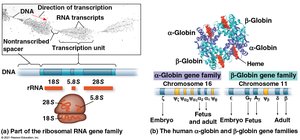
Multigene Families: Collections of similar or identical genes, such as those encoding rRNA or globin proteins.
Transposable Elements and Genome Evolution
Transposable Elements
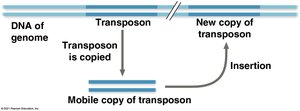
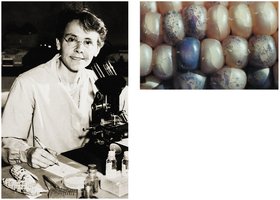
Transposable elements are DNA sequences that can move within the genome. They are classified as:
Transposons: Move via a DNA intermediate and require transposase.
Retrotransposons: Move via an RNA intermediate and require reverse transcriptase.
Genome Rearrangement and Evolution
Polyploidy: Duplication of entire chromosome sets can lead to gene diversification.
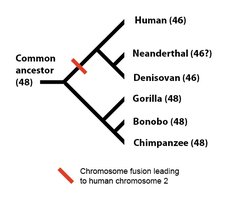
Chromosomal Rearrangements: Fusions, duplications, and inversions contribute to genome evolution and speciation.
Gene Duplication and Divergence: Duplicated genes can evolve new functions, as seen in the globin gene family.
Exon Shuffling: Errors in recombination can mix and match exons, creating new genes with novel functions.
Comparative Genomics and Evolutionary Developmental Biology (Evo-Devo)
Comparing Genomes
Distantly Related Species: Highly conserved genes reveal ancient evolutionary relationships.
Closely Related Species: Small genetic differences can underlie significant phenotypic differences, as seen between humans and chimpanzees.
Within-Species Variation: Single nucleotide polymorphisms (SNPs), copy-number variants, and other polymorphisms are important for studying human evolution and disease.
Developmental Genes and Body Plan Evolution
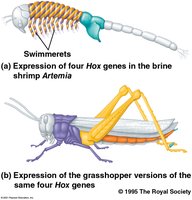
Homeotic (Hox) Genes: Specify the identity of body segments in animals. All homeotic genes contain a conserved homeobox sequence.
Evolutionary Conservation: Homeobox sequences are found in regulatory genes across animals, plants, and fungi.
Regulatory Changes: Small changes in regulatory sequences can lead to major changes in body form, as seen in the expression of Hox genes in different arthropods.
Summary Table: Major Features of the Human Genome
Feature | Approximate Percentage of Genome |
|---|---|
Protein-coding sequences | ~1.5% |
Introns | ~20% |
Gene regulatory sequences | ~5% |
Repetitive DNA (including transposable elements) | ~75% |
Simple sequence DNA (STRs, telomeres, centromeres) | ~3% |
Pseudogenes | Variable |
Key Terms and Concepts
Genomics: Study of entire genomes, including gene mapping, sequencing, and analysis.
Bioinformatics: Application of computational tools to manage and analyze biological data.
Metagenomics: Sequencing DNA from environmental samples containing multiple species.
Transposable Elements: DNA sequences that can move within the genome, including transposons and retrotransposons.
Homeobox (Hox) Genes: Genes containing a conserved DNA sequence that regulates development and body plan formation.
Single Nucleotide Polymorphism (SNP): A single base-pair variation in the genome, important for genetic diversity.
