 뒤로
뒤로Human Impact on Ecosystems and Strategies for Sustainability
스터디 가이드 - 스마트 노트
 자료에 맞춘 맞춤형 노트, 핵심 정의, 예시, 맥락을 확장해 제공합니다.
Human Population Growth and Environmental Impact
Overview of Human Influence
Human populations have grown rapidly in recent history, leading to significant impacts on the environment. Humans possess complex language, enabling the transfer of knowledge and the ability to manipulate ecosystems. Ecosystems consist of all species interacting with each other and their physical environment, and changes to these systems can have detrimental effects on biodiversity and human well-being.
Global changes in biogeochemical cycles: Human activities alter phosphorus, nitrogen, and carbon cycles, which are essential for life.
Climate alteration: Fossil fuel use increases atmospheric CO2, contributing to global warming and the greenhouse effect.
Habitat loss and extinction: Land development leads to resource depletion and extinction of species.
Resource Types and Consumption
Renewable vs. Non-Renewable Resources
Resources are classified based on their ability to replenish.
Renewable resources: Not limited in supply; examples include water, solar power, plants, and animals. Sustainable use is necessary to prevent depletion.
Non-renewable resources: Limited in supply; examples include land, fossil fuels, and minerals. Once used, they cannot be replaced.
Pollution and Its Types
Definition and Sources
Pollution is any unwanted alteration of the environment, often caused by human activity. The impact is proportional to population size and resource consumption.
Types of pollution: Air, land, water, food, energy, minerals, and wastes.
Air Pollution and Human Impacts
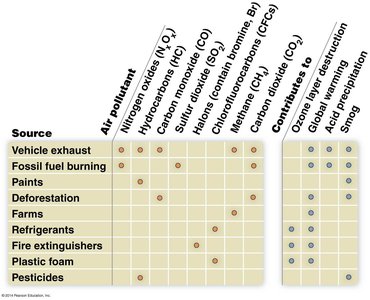
The air contains nitrogen (79%), oxygen (21%), and trace amounts of carbon dioxide and other chemicals. Human activities are the primary source of air pollution, contributing to ozone destruction, global warming, acid rain, and smog.
Major air pollutants: Nitrogen oxides, hydrocarbons, carbon monoxide, sulfur dioxide, halons, methane, chlorofluorocarbons, and carbon dioxide.
Table: Major Sources of Air Pollutants and Their Effects
Source | Nitrogen oxides (NOx) | Hydrocarbon monoxides (HC) | Carbon monoxide (CO) | Sulfur dioxide (SO2) | Halons (contain bromine, Br) | Methane (CH4) | Chlorofluorocarbons (CFCs) | Carbon dioxide (CO2) | Ozone layer destruction | Global warming | Acid precipitation | Smog |
|---|---|---|---|---|---|---|---|---|---|---|---|---|
Vehicle exhaust | ● | ● | ● | ● | ● | ● | ||||||
Fossil fuel burning | ● | ● | ● | ● | ● | ● | ||||||
Paints | ● | ● | ||||||||||
Deforestation | ● | ● | ||||||||||
Farms | ● | ● | ||||||||||
Refrigerants | ● | ● | ||||||||||
Fire extinguishers | ● | ● | ||||||||||
Plastic foam | ● | ● | ||||||||||
Pesticides |
Land Use and Human Impact
Alteration of Landscapes
Humans require land for living, agriculture, industry, and infrastructure. Urban sprawl, coastal development, and desertification are major concerns.
Beach and coastal erosion: Pollution and habitat loss affect coastal areas.
Desertification: Overgrazing and deforestation transform productive land into desert.
Loss of biodiversity: Deforestation reduces the number of species in an area.
Water Resources and Pollution
Water Availability and Human Use
Freshwater is scarce (<1% of Earth's water), and its distribution is uneven. More developed countries (MDCs) use significantly more water than less developed countries (LDCs).
Dams: Used for irrigation and hydroelectric power, but cause evaporation and sediment buildup.
Aquifers: Overuse leads to soil compaction, sinkholes, and saltwater intrusion.
Water Pollution
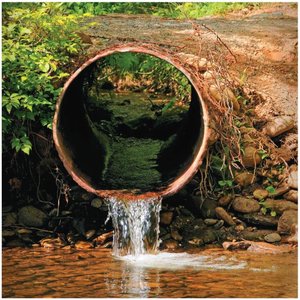
Urbanization, industrialization, and agriculture increase runoff and introduce pollutants into waterways.
Stormwater runoff: Can mix with sewage, leading to infections and waterborne diseases.
Chemical runoff: Fertilizers, pesticides, and industrial chemicals contaminate water.
Eutrophication and Oil Spills
Eutrophication: Excess nutrients (phosphates, nitrates) increase bacterial growth, deplete oxygen, and kill aquatic life. This process is accelerated by human activity.
Oil spills: Millions of tons of oil enter oceans annually, harming marine life and breeding grounds.
Toxic Pollutants and Biological Magnification
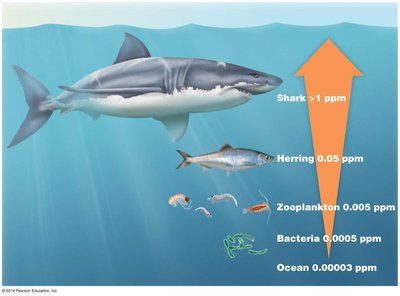
Many pollutants, such as PCBs and methylmercury, do not degrade easily and accumulate in organisms through biological magnification.
Biological magnification: Pollutant concentration increases at higher trophic levels in the food chain.
Human Impact on Food, Energy, and Minerals
Modern Agriculture and Fishing
Monoculture: Low genetic diversity increases vulnerability to pests and diseases.
Heavy use of fertilizers and pesticides: Leads to pollution and resource depletion.
Overfishing: Removes all species, not just targeted ones, reducing biodiversity.
Energy and Mineral Consumption
Fossil fuels: Provide 75% of world energy; their use increases greenhouse gases and global warming.
Nuclear energy: Only 6% of global energy, but produces toxic byproducts.
Minerals: Non-renewable resources mined for technology; improper disposal of heavy metals disrupts biological processes.
Waste Management and Pollution
Garbage, Plastics, and Ocean Gyres
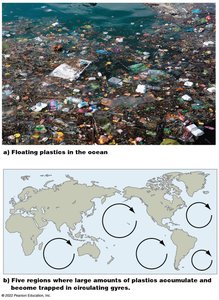
Plastics: Take hundreds of years to decompose; incineration releases toxic chemicals.
Ocean gyres: Large pools where plastics accumulate, affecting marine ecosystems.
Loss of Biodiversity
Definition and Causes
Biodiversity refers to the variety of life on Earth, measured by the number of species. It is a key indicator of ecological health.
Habitat destruction: Loss of habitats leads to species extinction.
Introduction of exotic species: Disrupts native ecosystems.
Pollution and overexploitation: Reduce species numbers and ecosystem stability.
Human Dependence on Biodiversity
Direct value: Medicinal, agricultural, and consumptive uses.
Indirect value: Biogeochemical cycles, waste disposal, fresh water, soil erosion prevention, climate regulation, and ecotourism.
Sustainability and Strategies for Sustainable Development
Definition and Importance
Sustainability is the ability to provide goods and services for future generations as for the present. Current lifestyles are not sustainable due to high land use, reliance on non-renewable resources, and declining freshwater availability.
Strategies for Sustainability
Reduce: Consume less to use fewer resources and generate less waste.
Reuse: Extend product lifespan through second-hand use.
Recycle: Recycle materials to reduce resource extraction.
Sustainable agriculture: Crop rotation, composting, and multiuse farming increase biodiversity and soil health.
Buy locally: Reduces pollution from transportation and provides fresher food.
Strategies for Sustainable Development
Green roofs: Vegetation on rooftops restores water cycles, absorbs pollutants, and reduces urban heat.
Plant indigenous species: Require less irrigation and support local ecosystems.
Conserve energy: Use energy-efficient transportation and renewable energy sources.

Lower fertility rates: Reduces resource consumption and environmental degradation.
Reduce rural poverty: Economic alternatives help protect habitats.
Protect ecosystems: Greenbelts, wetlands, and forests provide climate control, raw materials, and food.
Conclusion
Is Sustainability Possible?
Sustainability is achievable if individuals and societies take responsibility for their actions. Humans depend on biodiversity and ecosystem services for survival, and it is essential to address environmental challenges for future generations. References: Johnson, M.D. & S. Long (2021). Human biology: Concepts and current issues (9th ed). Pearson Education Inc. Johnson, M.D. (2017). Human biology: Concepts and current issues (8th ed). Pearson Education Inc. Mader, Sylvia S., and Michael Windelspecht (2012). Essentials of biology (3rd ed). McGraw-Hill. Wikimedia Commons (August 18, 2008). File:30 Rockefeller Center rooftop.jpg.
