 뒤로
뒤로Introduction to Biology, Ecology, and Biological Organization
스터디 가이드 - 스마트 노트
 자료에 맞춘 맞춤형 노트, 핵심 정의, 예시, 맥락을 확장해 제공합니다.
Introduction to Biology
What is Biology?
Biology is the scientific study of life, encompassing the structure, function, growth, origin, evolution, and distribution of living organisms. It is a broad field with many subdivisions, each focusing on different aspects of living systems.
Key Terms: Biology, Producers, Consumers, Decomposers, Ecology, Biosphere, Biome, Landscape, Ecosystem, Community, Population, Organism, Emergent Property, Taxonomy, Scientific name, Common name, Autotrophic, Heterotrophic
Notable Scientists: Rudolf Virchow (Cell Theory), Gregor Mendel (Genetics), Charles Darwin (Evolution), Carolus Linnaeus (Taxonomy)
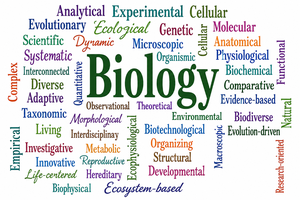
Branches within Biology
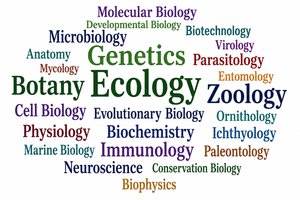
Biology is divided into numerous branches, each specializing in a particular area of study. These branches include genetics, ecology, zoology, botany, physiology, microbiology, and more. Each branch contributes to our understanding of life and its processes.
Central Theories and Unifying Themes in Biology
Three Central Theories
Cell Theory: All living things are composed of cells (Virchow).
Theory of Genetics: Traits are inherited according to specific laws (Mendel).
Theory of Evolution: Species change over time through natural selection (Darwin).
Unifying Themes
Energy and Matter: Life requires the transfer and transformation of energy and matter.
Organization: Living systems are organized into hierarchical levels.
Interactions: Organisms interact with each other and their environment.
Information: Genetic information is stored, transmitted, and expressed.
Evolution: Populations evolve over generations.
Energy Flow and Matter Cycling in the Biosphere
Energy Flow within the Biosphere
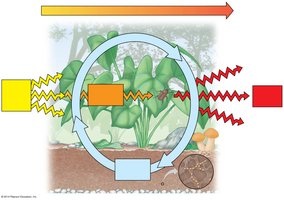
Energy enters ecosystems as sunlight, is converted by producers (autotrophs) into chemical energy, and then transferred to consumers (heterotrophs) and decomposers. While energy flows through the ecosystem and is eventually lost as heat, chemical elements are recycled by decomposers for reuse.
Producers: Organisms (usually plants) that convert solar energy into chemical energy via photosynthesis.
Consumers: Organisms that obtain energy by eating other organisms.
Decomposers: Organisms that break down dead material, recycling nutrients back into the ecosystem.
Ecological Systems and Levels of Biological Organization
Ecology and the Biosphere
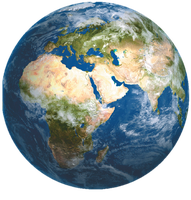
Ecology is the scientific study of interactions between organisms and their environment. The biosphere encompasses all living organisms and the non-living components that support life on Earth, such as the atmosphere, climate, and energy.
Levels of Organization in Ecology
Biosphere: The global sum of all ecosystems.
Landscape: Multiple ecosystems interacting within a region.
Ecosystem: All living organisms and their physical environment in a particular area.
Community: All populations of different species living and interacting in an area.
Population: Individuals of the same species living in a specific area.
Organism: An individual living entity.
Systems Biology
Systems biology examines how interactions among components of biological systems give rise to the function and behavior of those systems. It integrates reductionism (studying parts) with holistic approaches (studying the whole system).
Terrestrial and Aquatic Biomes
Terrestrial Biomes
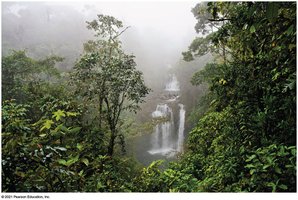
Forest Ecosystems: Include tropical, broadleaf, and coniferous forests.
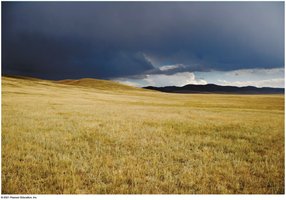
Grassland Ecosystems: Include prairies, savannas, and temperate grasslands.
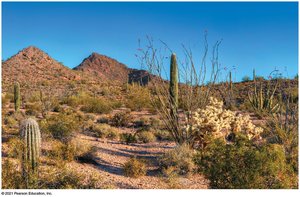
Desert Ecosystems: Characterized by low precipitation and specialized flora and fauna.
Mountain Ecosystems: High elevation regions with unique climates and biodiversity.
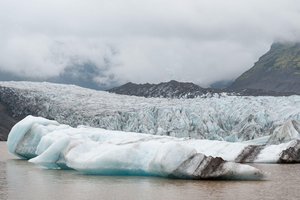
Tundra Ecosystems: Cold, treeless regions with permafrost.
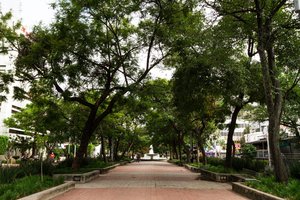
Urban Ecosystems: Human-dominated landscapes where natural features are altered.

Aquatic Biomes
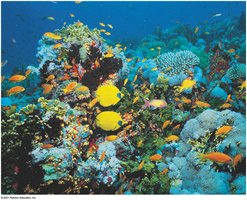
Marine Ecosystems: Oceans, coral reefs, and pelagic zones.
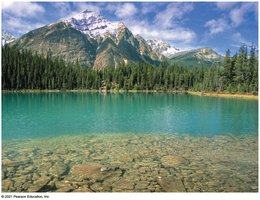
Freshwater Ecosystems: Lakes, rivers, and streams.
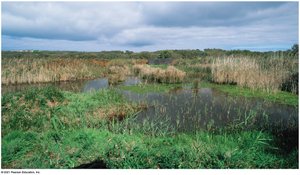
Wetlands Ecosystems: Areas saturated with water, including marshes and swamps.
Estuaries Ecosystems: Transitional zones between rivers and seas.
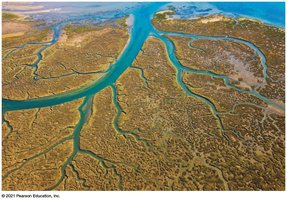
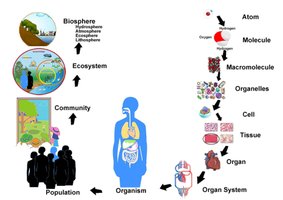
Levels of Biological Organization (from Atoms to Biosphere)
Hierarchy of Organization
Biological systems are organized into a hierarchy, with each level building upon the previous one. New properties, called emergent properties, arise at each level due to the arrangement and interaction of parts.
Atoms → Molecules → Organelles → Cells → Tissues → Organs → Organ Systems → Organism → Population → Community → Ecosystem → Landscape → Biosphere
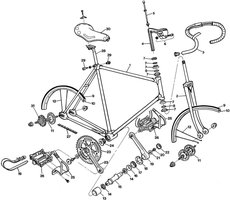
Emergent Properties
Emergent properties are characteristics that arise from the interaction of simpler elements at lower levels of organization. For example, a functioning bicycle only emerges when all its parts are correctly assembled.
Taxonomy and Classification of Life
Taxonomic Classification
Taxonomy is the science of naming, defining, and classifying organisms based on shared characteristics and ancestry. The modern system, developed by Carolus Linnaeus, uses eight hierarchical levels:
Domain
Kingdom
Phylum
Class
Order
Family
Genus
Species
The binomial nomenclature system assigns each species a two-part scientific name (Genus species), e.g., Felis catus for the housecat.
Three Domains of Life
Bacteria: Prokaryotic, unicellular organisms.
Archaea: Prokaryotic, often extremophilic unicellular organisms.
Eukarya: Organisms with eukaryotic cells, including plants, animals, fungi, and protists.
Kingdoms in Eukarya
Plantae: Multicellular, autotrophic, photosynthetic organisms.
Fungi: Multicellular, heterotrophic organisms that absorb nutrients.
Animalia: Multicellular, heterotrophic organisms that consume nutrients.
Protists: Diverse group, can be unicellular or multicellular, autotrophic or heterotrophic.
Rules for Writing Scientific Names
The Genus name is capitalized; the species name is lowercase.
Both names are italicized or underlined.
After first use, the genus name can be abbreviated (e.g., E. coli).
Philosophy of Biology
Biology is guided by laws, rules, principles, concepts, models, theories, and trends that help explain the diversity and complexity of life.
Additional info: This guide covers foundational concepts from General Biology, including the organization of life, ecological systems, energy flow, taxonomy, and the philosophy of biology. These topics align with chapters 1, 26, 52-55, and related introductory material in a college-level biology course.
