 뒤로
뒤로Introduction to Biology: Foundations, Organization, Evolution, and Scientific Method
스터디 가이드 - 스마트 노트
 자료에 맞춘 맞춤형 노트, 핵심 정의, 예시, 맥락을 확장해 제공합니다.
Introduction to Biology
Definition and Scope of Biology
Biology is the scientific study of life, encompassing the structure, function, growth, origin, evolution, and distribution of living organisms. Life on Earth is highly diverse, ranging from microscopic unicellular organisms to complex multicellular plants and animals.
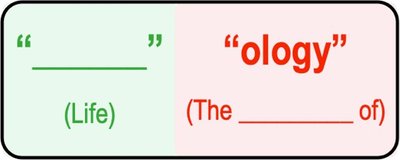
Biology: Derived from the Greek words for "life" (bios) and "study of" (ology).
Cell: The smallest, most basic unit of life.
Organism: Any individual living entity.
Unicellular vs. Multicellular Organisms
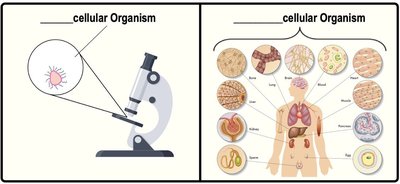
Living organisms can be classified based on the number of cells they possess:
Unicellular organisms: Consist of a single cell, usually observable only with a microscope.
Multicellular organisms: Composed of many cells, often organized into tissues and organs.
Characteristics of Life
Defining Features of Living Organisms
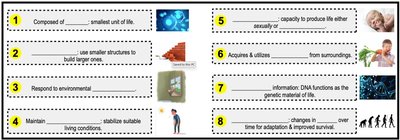
All living organisms share a set of characteristics that distinguish them from nonliving matter. Viruses, for example, are not considered alive because they do not meet all these criteria.
Composed of one or more cells
Organized into hierarchical structures
Respond to environmental stimuli
Maintain homeostasis (stable internal conditions)
Reproduce (sexually or asexually)
Acquire and utilize energy from the environment
Store genetic information in DNA
Evolve over time for adaptation and survival
Life’s Organizational Hierarchy
Levels of Biological Organization
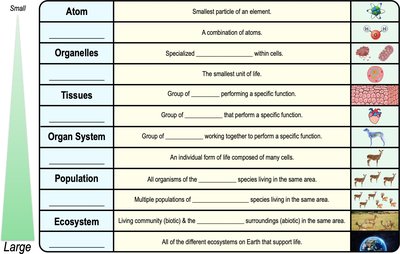
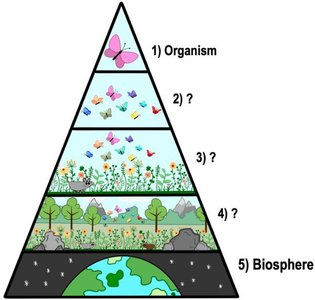
Life is organized into a hierarchy, from the smallest chemical building blocks to the entire biosphere. Each level exhibits emergent properties not present at lower levels.
Atom: Smallest particle of an element
Molecule: Combination of atoms
Organelle: Specialized structures within cells
Cell: Smallest unit of life
Tissue: Group of similar cells performing a function
Organ: Group of tissues working together
Organ System: Group of organs working together
Organism: Individual living entity
Population: All organisms of the same species in an area
Community: Multiple populations in an area
Ecosystem: Living community plus nonliving environment
Biosphere: All ecosystems on Earth
Emergent Properties
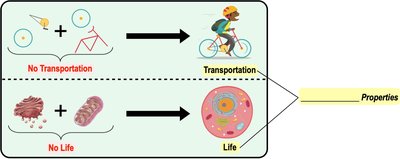
Emergent properties arise when smaller parts combine to form more complex structures, resulting in new functions that individual parts cannot perform alone. For example, individual molecules cannot perform life functions, but organized into cells, they can.
Evolution and Natural Selection
Adaptation and Fitness
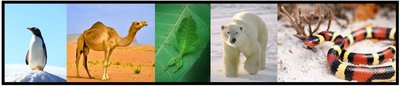
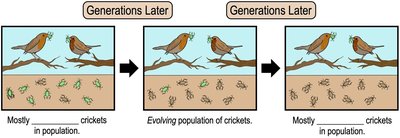
Organisms are well-suited to their environments due to adaptation, which enhances survival and reproductive success (fitness). Adaptation is driven by natural selection, a process described by Charles Darwin.
Adaptation: Process that increases an organism’s fitness in its environment.
Fitness: An organism’s ability to survive and reproduce.
Natural Selection
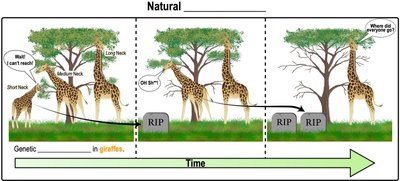
Natural selection is the process by which environmental pressures favor certain heritable traits, leading to differential reproductive success. It requires:
Genetic variation in a population
Selective pressure for traits affecting fitness
Differential reproductive success
Evolution
Evolution is the change in the genetic makeup of a population over generations. It can occur through various mechanisms, with natural selection being one of the most significant. Evolution explains the diversity of life on Earth.
Taxonomy: Classifying Life
Introduction to Taxonomy
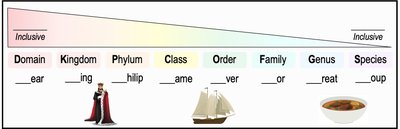
Taxonomy is the branch of biology concerned with classifying, identifying, and naming organisms. It uses hierarchical categories to organize all life forms.
Domain: Broadest category
Kingdom, Phylum, Class, Order, Family, Genus, Species: Increasingly specific categories
The Three Domains of Life
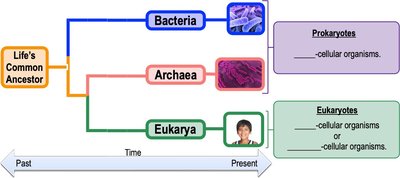
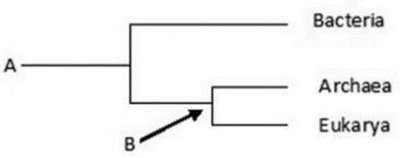
All life is classified into three domains:
Bacteria: Prokaryotic, unicellular organisms
Archaea: Prokaryotic, unicellular organisms
Eukarya: Eukaryotic, unicellular or multicellular organisms
Kingdoms of Eukarya
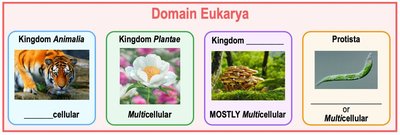
The domain Eukarya is divided into several kingdoms, including:
Animalia: Multicellular animals
Plantae: Multicellular plants
Fungi: Mostly multicellular fungi
Protista: Unicellular or multicellular organisms
Energy Acquisition: Autotrophs, Heterotrophs, and Decomposers
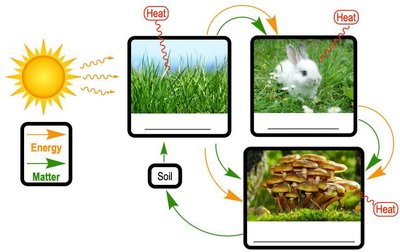
Organisms are also categorized by how they obtain energy:
Autotrophs (Producers): Make their own food, usually via photosynthesis
Heterotrophs (Consumers): Obtain energy by eating other organisms
Decomposers: Obtain energy from dead organisms and waste
The Scientific Method
Steps of the Scientific Method
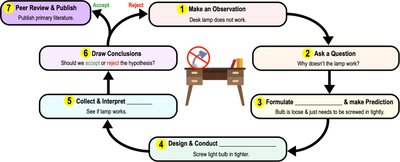
The scientific method is a systematic approach to answering questions and testing ideas in science. It involves:
Making observations
Asking questions
Formulating hypotheses and predictions
Designing and conducting experiments
Collecting and interpreting data
Drawing conclusions
Peer review and publication
Predictions, Hypotheses, and Theories
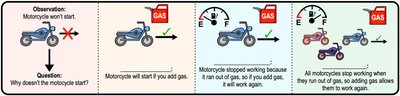
Prediction: An expected outcome of an event (answers "what will happen?").
Hypothesis: A proposed, testable explanation for an observation (answers "what will happen and why?").
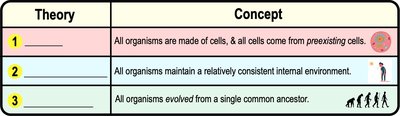
Theory: A testable and broad explanation supported by a large body of evidence.
Basic Theories of Biology
Cell Theory: All organisms are made of cells, and all cells come from preexisting cells.
Homeostasis Theory: All organisms maintain a relatively consistent internal environment.
Evolution Theory: All organisms evolved from a single common ancestor.
Experimental Design
Variables in Experiments
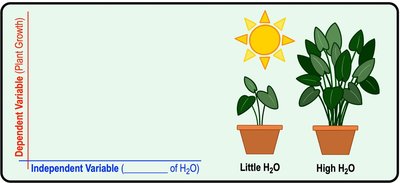
Experiments are designed to test hypotheses by manipulating variables:
Independent Variable: The factor changed by the researcher (e.g., amount of water).
Dependent Variable: The factor measured in response to changes in the independent variable (e.g., plant growth).

Controls and Experimental Groups
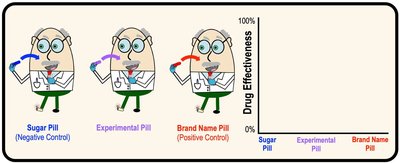
Well-designed experiments include control groups to prevent false positives and negatives:
Negative Control: Group where no response is expected (prevents false positives).
Positive Control: Group where a response is expected (prevents false negatives).

Additional info: These foundational concepts in biology provide the basis for understanding more advanced topics such as genetics, cell biology, evolution, and ecology. Mastery of these principles is essential for success in any college-level biology course.
