 뒤로
뒤로Introduction to Biology: Properties of Life, Biomolecules, and Cell Types
스터디 가이드 - 스마트 노트
 자료에 맞춘 맞춤형 노트, 핵심 정의, 예시, 맥락을 확장해 제공합니다.
Introduction to Biology
What Is Biology?
Biology is the scientific study of life and living organisms. It seeks to understand the structure, function, growth, origin, evolution, and distribution of living things. Scientists and philosophers have proposed several definitions of life, but all emphasize the unique properties that distinguish living systems from non-living matter.
Life is a self-sustained chemical system capable of undergoing Darwinian evolution.
Life is a self-replicating, evolving system based on organic chemistry.
Life is the quality that distinguishes a vital and functional being from a dead body.
Properties of Life
All living things share several fundamental properties that define life:
Membrane delimited: Living things are separated from their environment by a membrane.
Cellular organization: All life is made up of cells.
Information storage and transmission: Life stores and follows instructions (genetic information).
Energy transformation: Life stores energy and uses it to perform work.
Self-replication: Life can reproduce itself.
Response to environment: Life controls its functions and responds to environmental changes.
Evolution: Life evolves over generations.
Examples and Exceptions
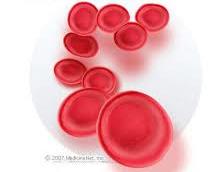
Mature Red Blood Cell: Lacks DNA, does not divide, and has no mitochondria, yet is considered alive as part of a multicellular organism.
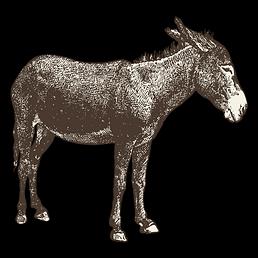
Mule: A hybrid animal that cannot reproduce, raising questions about the definition of life.
Biomolecules: The Chemical Basis of Life
Main Biomolecules Supporting Life
Four major classes of biomolecules are essential for life, each supporting different properties of living systems:
Lipids: Form membranes, store energy, and provide insulation.
Carbohydrates: Serve as energy sources and structural components.
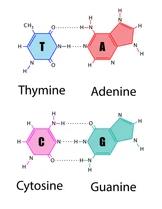
Nucleic Acids: Store and transmit genetic information (DNA and RNA).
Proteins: Catalyze biochemical reactions, provide structure, and regulate processes.
Nucleic Acids: Information Storage and Transmission
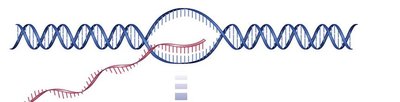
Nucleic acids, such as DNA and RNA, are responsible for storing and transmitting genetic information. DNA encodes instructions for building proteins, while RNA plays various roles in gene expression and protein synthesis.
DNA (Deoxyribonucleic Acid): Stores genetic information.
mRNA (Messenger RNA): Carries genetic instructions from DNA to ribosomes.
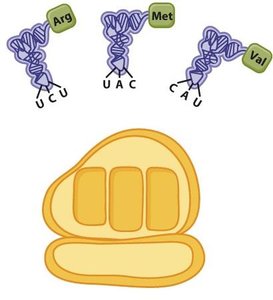
tRNA (Transfer RNA): Brings amino acids to ribosomes during protein synthesis.
rRNA (Ribosomal RNA): Forms part of the ribosome's structure and catalyzes protein synthesis.
Lipids: Membrane Structure and Function
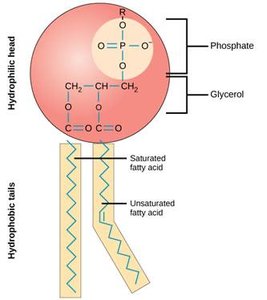
Lipids are hydrophobic molecules that form the selectively permeable barriers of cells, known as membranes. These membranes compartmentalize cellular processes and protect the cell from its environment. Lipids also serve as energy reserves and provide insulation.
Phospholipids: Major component of cell membranes, with hydrophilic heads and hydrophobic tails.
Triglycerides: Store energy in fat cells.
Carbohydrates and Proteins: Energy and Function
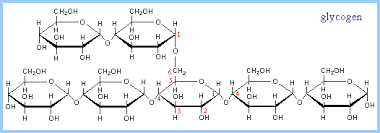
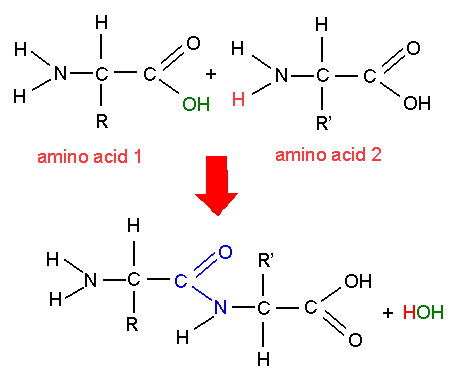
Carbohydrates are the primary energy source for most organisms and can be stored as polymers such as starch or glycogen. Proteins perform a wide variety of functions, including catalysis (enzymes), structure, transport, and response to stimuli.
Monomers to Polymers: Carbohydrates (monosaccharides to polysaccharides), Proteins (amino acids to polypeptides).
Energy Transformation in Cells
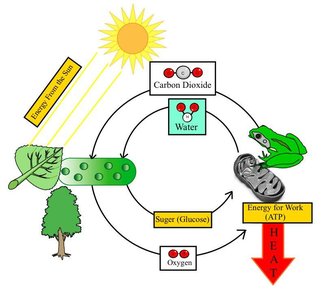
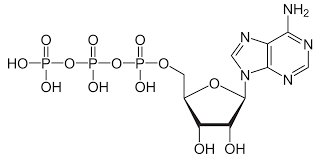
Cells convert energy from sunlight (photosynthesis) or organic compounds (cellular respiration) into ATP, the universal energy currency. ATP is a nucleic acid derivative used to power cellular work.
ATP (Adenosine Triphosphate): Main energy carrier in cells.
Photosynthesis: Converts solar energy into chemical energy (glucose).
Cellular Respiration: Breaks down glucose to produce ATP.
Response to Environment and Regulation
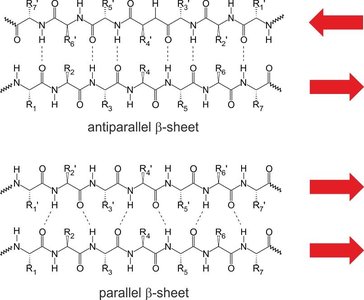
Proteins, especially enzymes and receptors, allow cells to sense and respond to changes in their environment. This regulation is essential for maintaining homeostasis and adapting to new conditions.
Evolution: The Basis of Biological Diversity
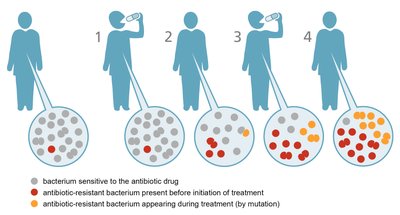
Evolution is the process by which populations of organisms change over generations through variations in heritable traits. This leads to the diversity of life observed on Earth.
Natural Selection: Mechanism by which advantageous traits become more common in a population.
Cells: The Basic Unit of Life
Definition and Essential Features
The cell is the smallest unit of life that can carry out all the properties of living things. All organisms are composed of one or more cells, which can be classified as prokaryotic or eukaryotic.
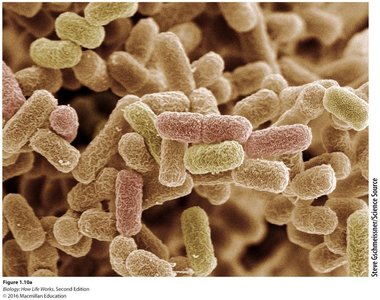
Types of Cells
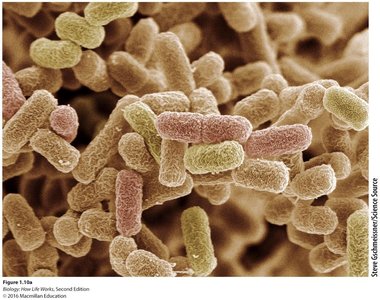
Prokaryotic Cells
No nucleus (no nuclear membrane)
Circular DNA
Small size (0.1–5 microns)
Often lack membrane-bound organelles
Fast replication
Eukaryotic Cells
Have a nucleus and membrane-bound organelles
Linear DNA (chromosomes)
Larger size (1–100 microns)
Are Viruses Alive?
Viruses exhibit some but not all properties of life. They can store and transmit information, evolve, and respond to their environment, but they lack independent metabolism and cannot replicate without a host cell. Thus, their status as living or non-living is debated.
Summary Table: Properties of Life and Biomolecules
Property of Life | Biomolecule(s) Involved | Example |
|---|---|---|
Membrane delimited | Lipids | Phospholipid bilayer |
Information storage & transmission | Nucleic Acids | DNA, RNA |
Energy transformation | Carbohydrates, Lipids, Proteins, Nucleic Acids | ATP, Glucose |
Self-replication | All biomolecules | Cell division |
Response to environment | Proteins | Enzymes, receptors |
Evolution | Nucleic Acids | Genetic variation |
Class Recap/Objectives
Practice designing controls in experiments
Understand that the definition of "living" can vary
Know the course definition of life
Recognize the roles of biomolecules (Lipids, Nucleic Acids, Proteins, Carbohydrates) in supporting life
Know that cells are the units of life
Identify and compare types of cells (prokaryotic vs. eukaryotic)
