 뒤로
뒤로Introduction to Biology: Properties of Life, Biomolecules, and Cell Types
스터디 가이드 - 스마트 노트
 자료에 맞춘 맞춤형 노트, 핵심 정의, 예시, 맥락을 확장해 제공합니다.
What Is Biology?
The Science of Life
Biology is the scientific study of life and living organisms. It seeks to understand the structure, function, growth, origin, evolution, and distribution of living things. Scientists and philosophers have proposed several definitions of life, but all emphasize the ability to sustain and replicate, respond to the environment, and evolve over time.
Life is a self-sustained chemical system capable of undergoing Darwinian evolution.
Life is a self-replicating, evolving system based on organic chemistry.
Life distinguishes a vital and functional being from a dead body.
Key Properties of Life:
Membrane delimited
Made up of cells
Stores and follows instructions (genetic information)
Stores and uses energy
Self-replicating
Controls its functions and responds to the environment
Evolves
Defining Life: Properties and Exceptions
Essential Properties of Life
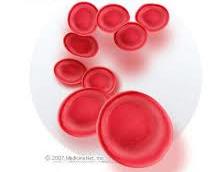
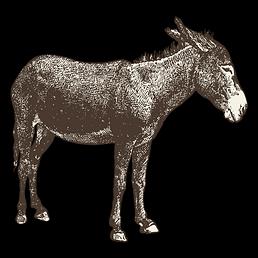
All living things share certain properties, but some exceptions exist. For example, mature red blood cells lack DNA and mitochondria, and mules are sterile hybrids. These cases challenge strict definitions but do not invalidate the overall framework.
Cellular Organization: All living things are composed of one or more cells.
Information Storage and Transmission: Genetic information is stored (usually as DNA) and transmitted to offspring.
Energy Transformation: Living organisms transform energy to maintain order and support life processes.
Evolution: Populations of living organisms evolve over generations.
Replication: Living things reproduce, passing on genetic information.
Biomolecules: The Chemical Basis of Life
Main Classes of Biomolecules
Four major classes of biomolecules support the properties of life:
Lipids: Form membranes, store energy, and provide insulation.
Carbohydrates: Serve as energy sources and structural components.
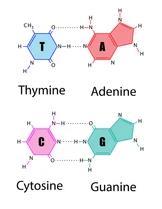
Nucleic Acids: Store and transmit genetic information (DNA, RNA).
Proteins: Catalyze biochemical reactions, provide structure, and regulate processes.
Nucleic Acids: Information Storage and Transmission
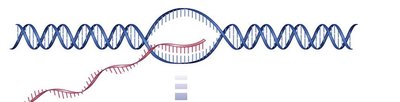
Nucleic acids, such as DNA and RNA, are responsible for storing and transmitting genetic information. DNA encodes instructions for building proteins, while RNA plays roles in protein synthesis and regulation.
DNA (Deoxyribonucleic Acid): Stores genetic information.
mRNA (Messenger RNA): Carries genetic instructions from DNA to ribosomes.
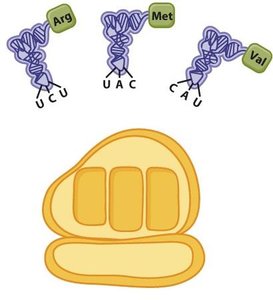
tRNA (Transfer RNA): Brings amino acids to ribosomes during protein synthesis.
rRNA (Ribosomal RNA): Forms the core of ribosome structure and catalyzes protein synthesis.
Lipids: Membrane Structure and Function
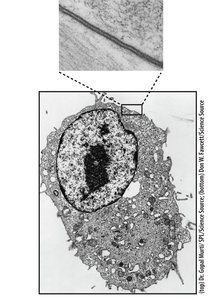
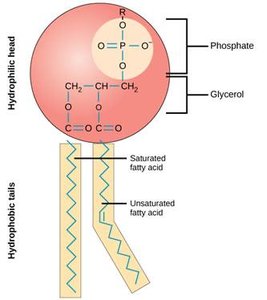
Lipids are essential for forming biological membranes, which create compartments within cells and provide a selectively permeable barrier. Membranes are primarily composed of phospholipids, which have hydrophilic heads and hydrophobic tails, allowing them to form bilayers in aqueous environments.
Compartmentation: Membranes separate the cell from its environment and create internal compartments.
Energy Storage: Lipids can be metabolized for energy.
Insulation: Lipids help insulate organisms from temperature changes.
Carbohydrates and Energy Transformation
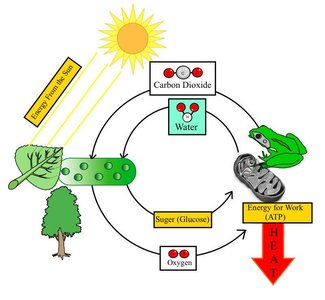
Carbohydrates are important for energy storage and supply. Organisms convert energy from sunlight or organic compounds into ATP, the universal energy currency of the cell.
Photosynthesis: Plants convert sunlight into chemical energy stored in glucose.
Cellular Respiration: Cells break down glucose to produce ATP.
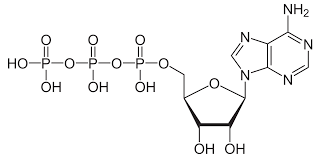
ATP (Adenosine Triphosphate): The main energy carrier in cells.
Proteins: Control and Response
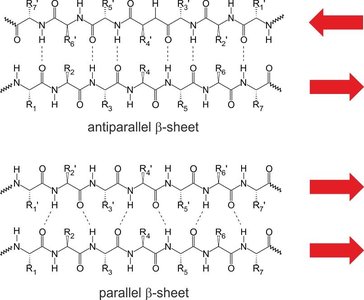
Proteins are versatile biomolecules that catalyze reactions (enzymes), provide structural support, transport molecules, and enable cells to respond to their environment. They are composed of amino acids and have diverse structures and functions.
Enzymes: Proteins that speed up chemical reactions.
Transport Proteins: Move substances across membranes.
Receptors: Detect signals and initiate cellular responses.
Cells: The Basic Unit of Life
Definition and Essential Features
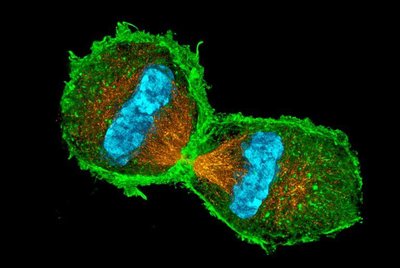
The cell is the smallest unit that meets all the properties of life. All organisms are made of one or more cells, which carry out the essential functions of life.
Membrane delimited
Information storage and processing
Energy transformation
Self-replication
Response to environment
Evolution
Types of Cells: Prokaryotic vs. Eukaryotic
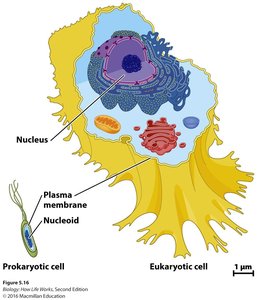
Cells are classified into two main types: prokaryotic and eukaryotic. The distinction is based on the presence or absence of a nucleus and membrane-bound organelles.
Feature | Prokaryotic Cells | Eukaryotic Cells |
|---|---|---|
Nucleus | No | Yes |
DNA Structure | Circular | Linear (chromosomes) |
Size | 0.1–5 microns | 1–100 microns |
Membrane-bound Organelles | Rare | Present |
Examples | Bacteria, Archaea | Plants, Animals, Fungi, Protists |

Are Viruses Alive?
Viruses occupy a gray area between living and non-living things. They possess some properties of life, such as storing genetic information and evolving, but lack others, such as independent metabolism and self-replication outside a host cell.
Membrane delimited: Sometimes, but often require a host cell for replication.
Information storage: Yes (DNA or RNA).
Energy use: No independent metabolism.
Self-replication: Only within host cells.
Response to environment: Limited.
Evolution: Yes.
Summary and Course Objectives
Practice designing experimental controls.
Understand that the definition of "living" can vary.
Know the course definition of life and its properties.
Recognize the four main biomolecules and their roles in supporting life.
Understand that cells are the fundamental units of life.
Identify and compare types of cells: prokaryotic and eukaryotic.
