 뒤로
뒤로Recombinant DNA Technology: Molecular Tools and Applications
스터디 가이드 - 스마트 노트
 자료에 맞춘 맞춤형 노트, 핵심 정의, 예시, 맥락을 확장해 제공합니다.
Recombinant DNA Technology
Introduction to Gene Manipulation
Recombinant DNA technology involves the manipulation of genetic material to create new DNA sequences by combining genetic material from multiple sources. This process is fundamental in biotechnology, medicine, agriculture, and industry.
Recombinant DNA (rDNA): DNA molecules formed by laboratory methods of genetic recombination, such as molecular cloning.
Genetic Material: Genes are stretches of DNA encoding proteins or biological molecules. They are arranged in chromosomes (eukaryotes) or operons (prokaryotes).
Functions: Encode information for protein production and replicate accurately for inheritance.
DNA Structure and Replication
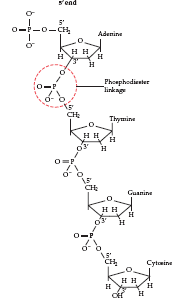
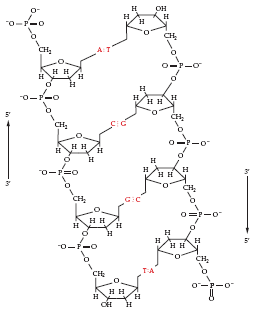
DNA is the genetic material composed of deoxyribose sugar, phosphate groups, and nitrogenous bases (adenine, thymine, guanine, cytosine). The two strands are antiparallel and held together by hydrogen bonds between complementary bases.
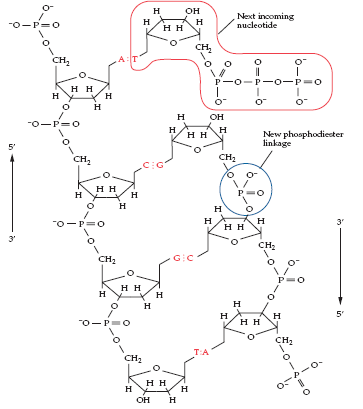
Phosphodiester Linkage: Connects nucleotides in a DNA strand.
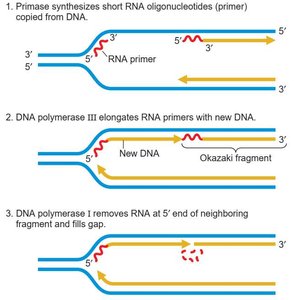
Replication: Each strand serves as a template for the synthesis of a new strand, requiring nucleotides, enzymes (helicase, primase, polymerase, ligase), and primers.
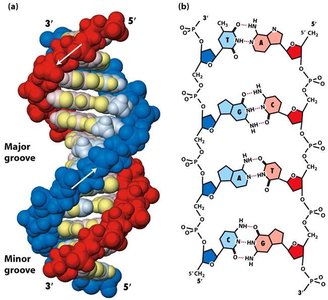
Types of DNA
Native DNA: Double-stranded, non-denatured DNA from a known source.
Complementary DNA (cDNA): Double-stranded DNA synthesized from mRNA, useful for studying gene expression.
Z-DNA, A-DNA, B-DNA: Different helical forms of DNA distinguished by their base inclination angles.
Noncoding DNA: DNA sequences that do not code for proteins, including introns and repetitive elements.
Enzymes for Gene Manipulation
Enzymes are essential tools in recombinant DNA technology, enabling the cutting, modification, and joining of DNA molecules.
Nucleases: Catalyze hydrolysis of phosphodiester bonds. Includes DNase, RNase, endonucleases, and exonucleases.
Restriction Enzymes: Recognize specific DNA sequences and cleave DNA at these sites. Type II restriction endonucleases are most useful for cloning.
Ligases: Join DNA fragments by forming phosphodiester bonds.
Topoisomerases: Unwind and reseal DNA during replication and transcription.
Restriction Enzymes: Classification and Features
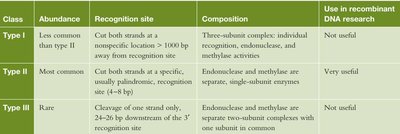
Restriction enzymes are classified based on their recognition sites, cleavage patterns, and composition.
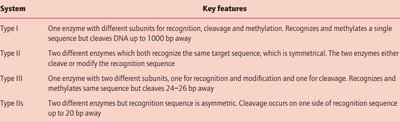
Type I: Cut both strands at nonspecific locations far from recognition site; not useful for cloning.
Type II: Cut both strands at specific, usually palindromic, recognition sites (4-8 bp); very useful for cloning.
Type III: Cleave one strand only, 24-26 bp downstream of recognition site; not useful for cloning.
Type IIs: Cleavage occurs on one side of recognition sequence up to 20 bp away.
Restriction Enzyme Nomenclature and Recognition Sites
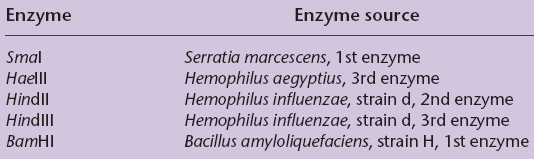
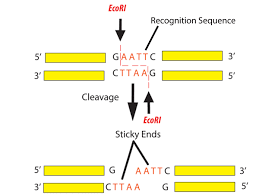
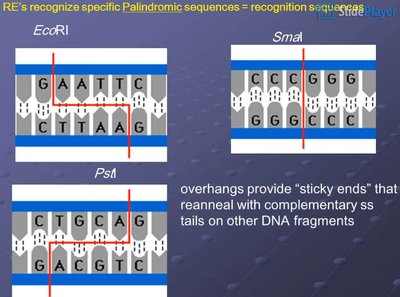
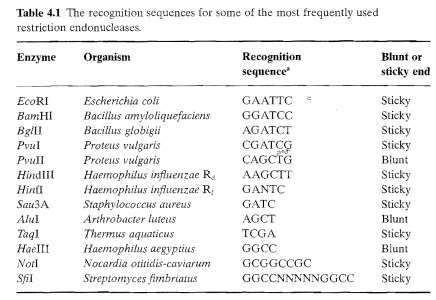
Restriction enzymes are named based on the organism of origin and the order of discovery. They recognize specific sequences and produce either sticky or blunt ends.
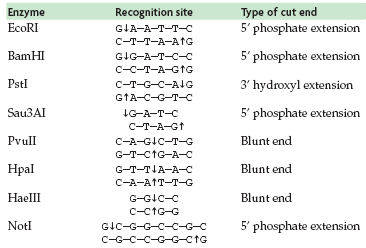
Sticky Ends: Single-stranded overhangs that facilitate ligation.
Blunt Ends: Straight cuts across both strands.
Special Types of Restriction Enzymes
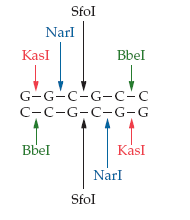
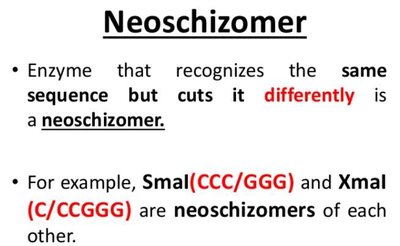
Neoschizomers: Enzymes that recognize the same sequence but cut differently.
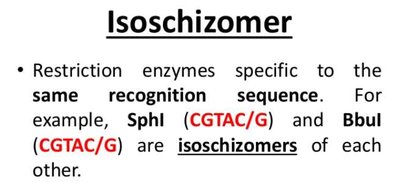
Isoschizomers: Enzymes that recognize and cut the same sequence identically.
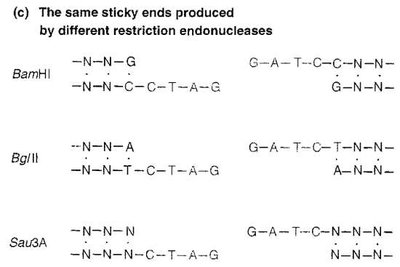
Isocaudomers: Enzymes that produce the same sticky ends but have different recognition sites.
DNA Methylation and Restriction Enzyme Activity
DNA methylation can protect DNA from cleavage by restriction enzymes. Methylation typically represses gene transcription and is a key factor in restriction-modification systems.
Methylated Bases: N6-methyladenine, 5-methylcytosine, 5-hydroxymethylcytosine, N4-methylcytosine.
Exceptional Endonucleases: Some enzymes specifically cut methylated DNA.
Overhangs Produced by Restriction Enzymes
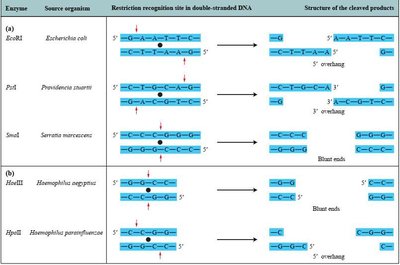
Restriction enzymes can produce 5' or 3' overhangs depending on the site and manner of cleavage.
5' Overhang: Single-stranded segment extends from the 5' ends (e.g., BamHI).
3' Overhang: Single-stranded segment extends from the 3' ends (e.g., KpnI).

Applications of Recombinant DNA Technology
Recombinant DNA technology has broad applications in medicine, agriculture, industry, and environmental science.
Medicine: Production of pharmaceuticals (e.g., insulin), gene therapy, vaccine development.
Agriculture: Creation of genetically modified crops with enhanced traits (e.g., pest resistance, improved nutrition).
Industry: Production of enzymes, biofuels, and biodegradable plastics.
Environment: Bioremediation and biomineralization.
DNA Cloning and Libraries
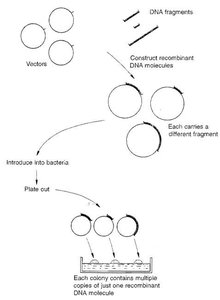
DNA cloning involves the insertion of DNA fragments into vectors, which are then introduced into host cells to produce multiple copies. DNA libraries are collections of cloned DNA fragments representing the genome or expressed genes of an organism.
Genomic Libraries: Contain all sequences present in the genome.
cDNA Libraries: Contain DNA copies of mRNA, representing expressed genes.
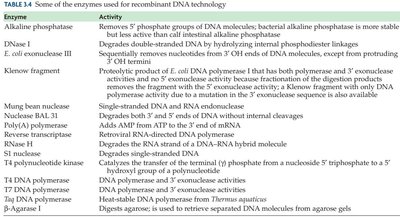
Summary Table: Enzymes Used in Recombinant DNA Technology
Enzyme | Activity |
|---|---|
Alkaline phosphatase | Removes 5' phosphate groups from DNA molecules |
DNase I | Degrades DNA by hydrolyzing internal phosphodiester linkages |
Exonuclease III | Sequentially removes nucleotides from 3' ends of DNA |
Klenow fragment | DNA polymerase fragment used for end-filling |
Mung bean nuclease | Single-stranded DNA and RNA endonuclease |
Reverse transcriptase | DNA synthesis from RNA template |
Taq DNA polymerase | Thermostable DNA polymerase for PCR |
T4 DNA ligase | Joins DNA fragments by forming phosphodiester bonds |
Summary Table: Restriction Enzyme Classes
Class | Abundance | Recognition site | Composition | Use in rDNA research |
|---|---|---|---|---|
Type I | Less common | Nonspecific, >1000 bp away | Three-subunit complex | Not useful |
Type II | Most common | Specific, palindromic (4-8 bp) | Separate endonuclease and methylase | Very useful |
Type III | Rare | 24-26 bp downstream | Two-subunit complex | Not useful |
Summary Table: Restriction Enzyme Recognition Sites and Cut Types
Enzyme | Recognition site | Type of cut end |
|---|---|---|
EcoRI | G↓AATTC | Sticky (5' phosphate extension) |
BamHI | G↓GATCC | Sticky (5' phosphate extension) |
PstI | CTGCA↓G | Sticky (3' hydroxyl extension) |
Sau3AI | ↓GATC | Sticky (5' phosphate extension) |
PvuII | CAG↓CTG | Blunt |
HpaI | GTT↓AAC | Blunt |
HaeIII | GG↓CC | Blunt |
NotI | GC↓GGCCGC | Sticky (5' phosphate extension) |
Summary Table: Restriction Enzyme Sources
Enzyme | Source Organism |
|---|---|
SmaI | Serratia marcescens |
HaeII | Hemophilus aegyptius |
HindII | Hemophilus influenzae, strain d |
HindIII | Hemophilus influenzae, strain d |
BamHI | Bacillus amyloliquefaciens, strain H |
Summary Table: Restriction Enzyme Recognition Sequences
Enzyme | Recognition sequence |
|---|---|
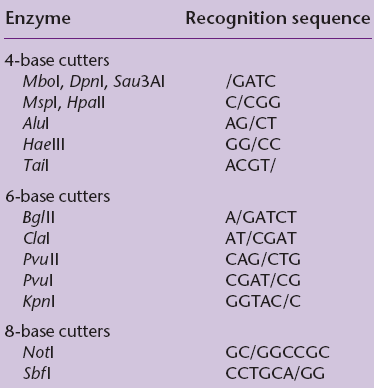
MboI, DpnI, Sau3AI | /GATC |
MspI, HpaII | C/CGG |
AluI | AG/CT |
HaeIII | GG/CC |
TaqI | ACGT/ |
BgII | A/GATCT |
ClaI | AT/CGAT |
PvuII | CAG/CTG |
KpnI | GGTAC/C |
NotI | GC/GGCCGC |
SbfI | CCTCGA/GG |
Summary Table: Restriction Enzyme Recognition Sites and End Types
Enzyme | Organism | Recognition sequence | Blunt or sticky end |
|---|---|---|---|
EcoRI | Escherichia coli | GAATTC | Sticky |
BamHI | Bacillus amyloliquefaciens | GGATCC | Sticky |
BglII | Bacillus globigii | AGATCT | Sticky |
PvuII | Proteus vulgaris | CGATCG | Blunt |
HindIII | Hemophilus influenzae R | AAGCTT | Sticky |
HaeIII | Hemophilus aegyptius | GGCC | Blunt |
NotI | Nocardia otitidis-caviarum | GCGGCCGC | Sticky |
Summary Table: Restriction Enzyme Cleavage Patterns
Enzyme | Source organism | Recognition site | Structure of cleaved products |
|---|---|---|---|
EcoRI | Escherichia coli | GAATTC | 5' overhang |
PstI | Providencia stuartii | CTGCAG | 3' overhang |
SmaI | Serratia marcescens | CCCGGG | Blunt ends |
HindIII | Hemophilus aegyptius | AAGCTT | 5' overhang |
HpaII | Hemophilus parainfluenzae | CCGG | 5' overhang |
