 뒤로
뒤로Social Insects: Evolution, Genetics, and Colony Organization
스터디 가이드 - 스마트 노트
 자료에 맞춘 맞춤형 노트, 핵심 정의, 예시, 맥락을 확장해 제공합니다.
Social Insects
Introduction to Sociality in Insects
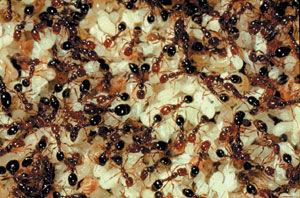
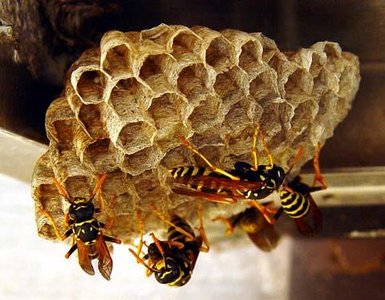
Social insects are a fascinating group that live in colonies and exhibit complex social behaviors. Their societies are characterized by reproductive division of labor, overlap of generations, and cooperative brood care. These traits have evolved independently in several insect lineages and are not confined to a single taxonomic group.
Reproductive division of labor: Only certain individuals reproduce, while others perform tasks for the colony.
Overlap of generations: Multiple adult generations coexist within the colony.
Cooperative brood care: Individuals work together to care for the young.
Evolution of Social Behavior
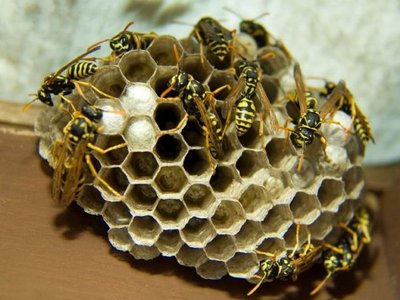
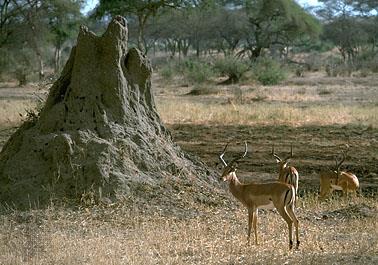
The evolution of sociality in insects is thought to have occurred when offspring remained in the nest as adults to help care for their mother's young. This behavior has evolved multiple times, notably in the orders Isoptera (termites) and Hymenoptera (bees, wasps, ants).
Subsocial route: Mothers stay in the nest after laying eggs, and daughters help rear subsequent broods (e.g., some bee species).
Parasocial route: Unrelated females cooperate to found a nest, with dominance and reproductive concessions (e.g., some wasp species).
Genetic Structure and Relatedness
The genetic structure of social insect colonies is crucial for understanding their social behavior. Relatedness among colony members influences cooperation and division of labor.
Relatedness (r): The probability that two individuals share genes inherited from a common ancestor.
Haplodiploidy: A genetic system found in Hymenoptera where females are diploid (from fertilized eggs) and males are haploid (from unfertilized eggs).
Haplodiploidy and Social Evolution
Haplodiploidy predisposes Hymenoptera to sociality because sisters are more closely related to each other () than to their own offspring (). This promotes cooperation among female workers.
Female: Fertilized egg, diploid
Male: Unfertilized egg, haploid
Relatedness values:
Mother-daughter:
Sister-sister:
Mother-son:
Sister-brother:
Division of Labour and Caste System
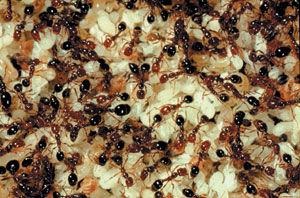
Social insect colonies have a caste system, which is a division of labor among individuals.
Queen (and King): Fertile individuals responsible for reproduction.
Workers and Soldiers: Sterile or partly sterile individuals performing tasks beneficial to the colony.
Tasks: Brood care, nest maintenance, defense, foraging.
Honeybee Colonies
Organization and Structure
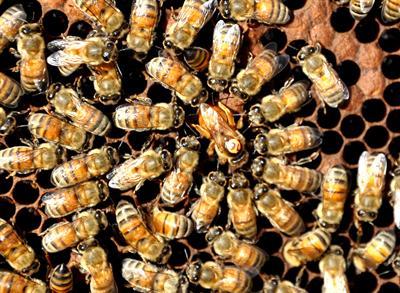
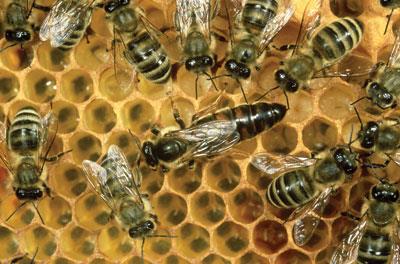
Honeybee colonies are highly organized, with a complex division of labor based on age (age polyethism). The survival of the colony depends on temperature regulation, reproduction, raising young, and food collection/storage.
Honey: Carbohydrate-rich food for adults.
Pollen: Protein-rich food for larvae.
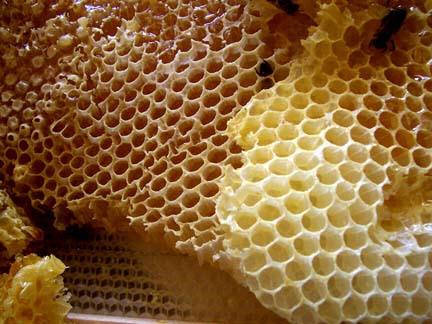
Nests: Vertical combs of wax and resin, composed of hexagonal cells.
Caste System in Honeybees
There are three types of bees in a colony:
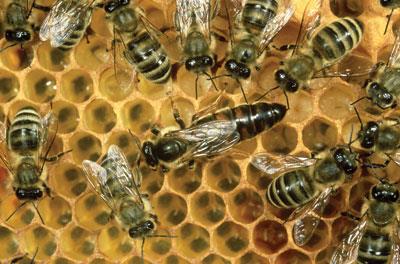
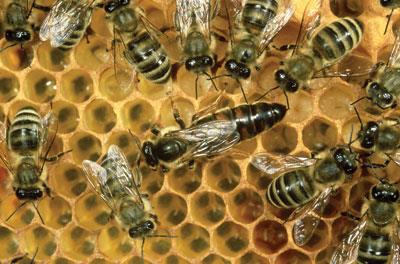
Queen: The only reproductive female, larger and mobile, can lay up to 2000 eggs per day, controls hive with pheromones.
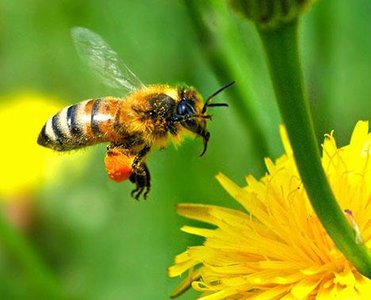
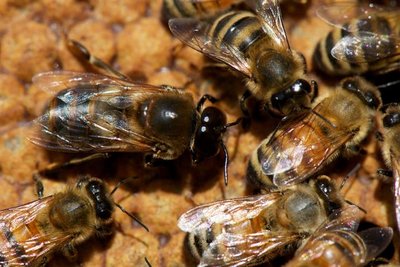
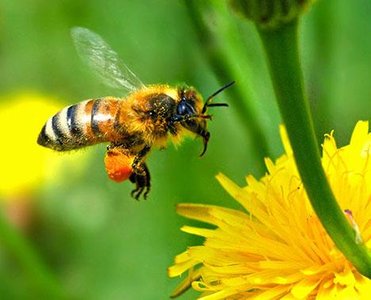
Workers: Sterile females responsible for building comb, feeding brood, caring for queen, guarding hive, ventilating, foraging, and storing honey.
Drones: Male bees, mate with queen, born from unfertilized eggs, only allowed in hive during spring and summer, larger and darker, stingless.
Division of Labor (Age Polyethism)
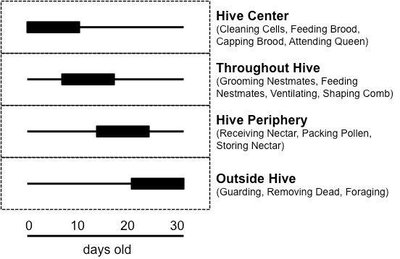
Worker bees perform different tasks depending on their age, moving from cleaning and brood care to foraging outside the hive.
Hive center: Cleaning cells, feeding brood, attending queen.
Throughout hive: Grooming nestmates, ventilating, shaping comb.
Hive periphery: Receiving nectar, packing pollen, storing nectar.
Outside hive: Guarding, removing dead, foraging.
Age (days old) | Location | Main Tasks |
|---|---|---|
0-10 | Hive Center | Cleaning, feeding brood, attending queen |
10-20 | Throughout Hive | Grooming, ventilating, shaping comb |
20-30 | Hive Periphery | Receiving nectar, packing pollen, storing nectar |
30+ | Outside Hive | Guarding, foraging, removing dead |
Social Communication: The Waggle Dance
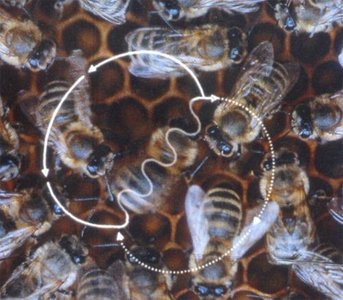
Honeybees communicate the location of nectar sources through the waggle dance. This dance conveys information about the distance, direction, and quality of the food source to other bees, enabling efficient foraging and honey production.
Waggle dance: A bee moves in a figure-eight pattern, waggling its body to indicate direction and distance.
Importance: Ensures colony survival by recruiting more bees to process nectar into honey.
Summary Table: Social Insect Characteristics
Characteristic | Description | Example |
|---|---|---|
Reproductive division of labor | Only certain individuals reproduce | Queen bee, worker ants |
Overlap of generations | Multiple adult generations coexist | Honeybee colony |
Cooperative brood care | Individuals care for young together | Termite colony |
Caste system | Division of labor among castes | Queen, workers, soldiers |
Social communication | Behavioral signals for cooperation | Waggle dance in bees |
Additional info: Social insects are a key model for studying evolution, genetics, and behavior in biology. Their complex societies provide insight into cooperation, altruism, and the genetic basis of sociality.
