 뒤로
뒤로The Biosphere: An Introduction to Earth's Diverse Environments (Chapter 34 Study Notes)
스터디 가이드 - 스마트 노트
 자료에 맞춘 맞춤형 노트, 핵심 정의, 예시, 맥락을 확장해 제공합니다.
The Biosphere and Ecology
Introduction to the Biosphere
The biosphere encompasses all regions of Earth inhabited by life, extending from the atmosphere several kilometers above the surface to the depths of the oceans. It is the broadest level of ecological study and includes all living organisms and their environments.
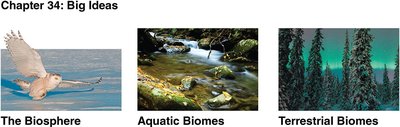
Levels of Ecological Study
Organism: Individual living entity.
Population: Group of individuals of the same species living in a specific area.
Community: Assemblage of all populations of organisms living close enough for potential interaction.
Ecosystem: Both the biotic (living) and abiotic (nonliving) components of the environment.
Landscape: Arrays of ecosystems, often visible as distinctive patches from the air.
Biosphere: All regions of Earth where life exists.
An organism's habitat is the environment in which it lives, including both biotic and abiotic factors.
Biotic and Abiotic Factors
Biotic factors: All living organisms in an area (e.g., plants, animals, fungi, bacteria).
Abiotic factors: Nonliving physical and chemical components (e.g., sunlight, temperature, water, nutrients).
Ecology and Environmental Issues
The Science of Ecology
Ecology is the scientific study of the interactions between organisms and their environment. It provides insights into environmental problems and helps us understand the impact of human activities on natural systems.
Case Study: DDT and Environmental Awareness
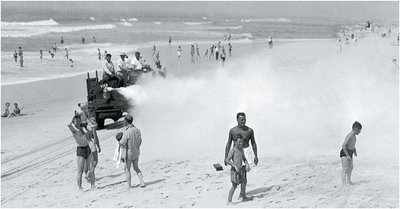
In the 1950s, chemical pesticides like DDT were widely used to control pests.
Concerns arose about chemical residues in food and the persistence of DDT in the environment.
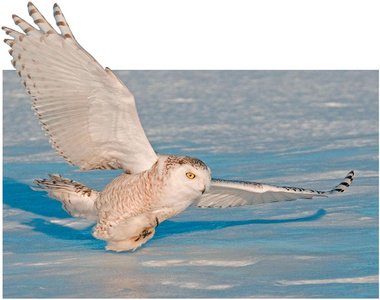
Birds of prey were especially vulnerable to DDT, leading to population declines.
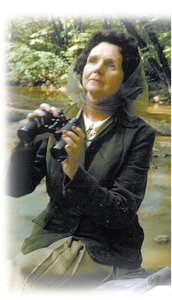
Rachel Carson's book Silent Spring (1962) raised public awareness about the dangers of pesticides and sparked the modern environmental movement.
Abiotic Factors Influencing Life
Major Abiotic Factors
Energy sources (primarily sunlight)
Temperature
Water availability
Inorganic nutrients (e.g., nitrogen, phosphorus)
Other factors: oxygen levels, salinity, fire, wind, etc.
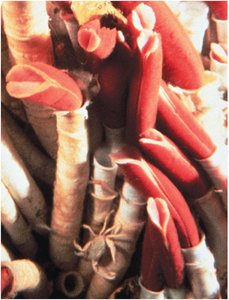
Organisms must be adapted to the abiotic factors present in their environments to survive and reproduce.
Adaptation Through Natural Selection
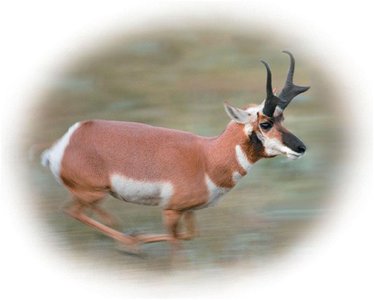
Organisms are adapted to both abiotic and biotic factors through the process of natural selection. For example, the pronghorn is a highly successful herbivorous mammal of North America, with adaptations for speed and endurance that enhance its survival in open plains and shrub deserts.
Climate and the Distribution of Biomes
Global Climate Patterns
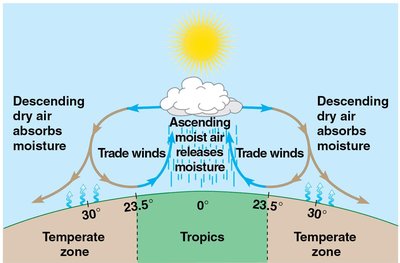
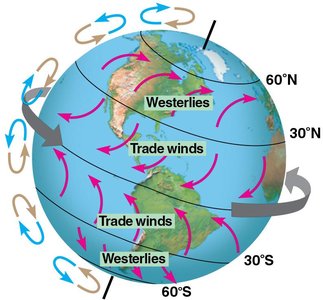
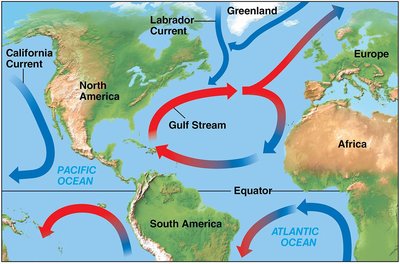
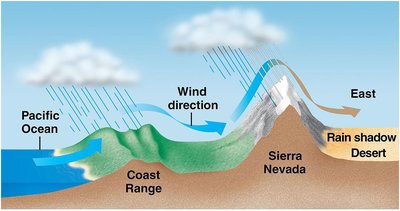
Climate is a major determinant of the distribution of communities and biomes.
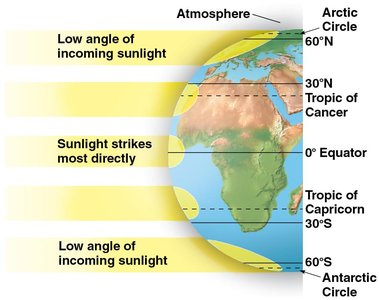
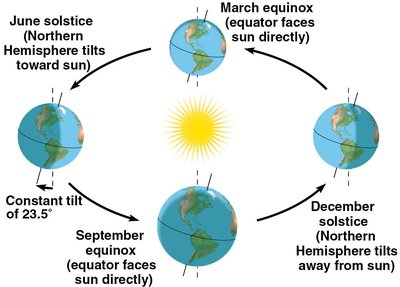
Uneven heating of Earth's surface by the sun causes patterns of precipitation and prevailing winds.
Ocean currents and landforms (e.g., mountains) further influence local and regional climates.
Aquatic Biomes
Marine Biomes
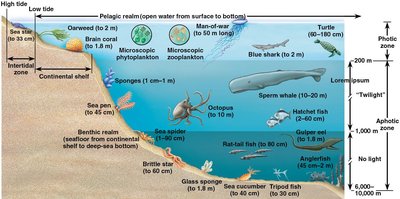
Marine environments are divided into several zones based on depth and distance from shore:
Pelagic realm: Open water from surface to bottom.
Benthic realm: Seafloor.
Photic zone: Sunlit region where photosynthesis occurs.
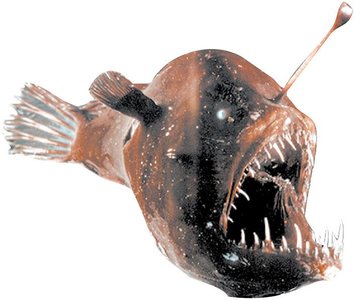
Aphotic zone: Deep, dark region where light does not penetrate.
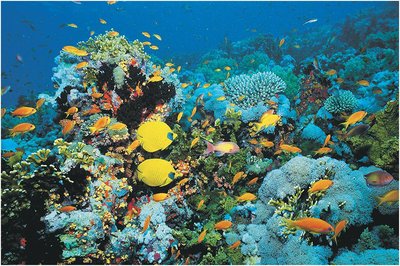
Distinctive marine biomes include intertidal zones, estuaries, and wetlands.
Freshwater Biomes
Types of Freshwater Biomes
Standing water biomes: Lakes and ponds.
Flowing water biomes: Rivers and streams.
Freshwater biomes are closely connected to the terrestrial ecosystems that surround them, influencing their nutrient and energy dynamics.
Terrestrial Biomes
Major Types of Terrestrial Biomes
Terrestrial biomes are primarily defined by their predominant vegetation and are strongly influenced by climate, especially temperature and precipitation. The same biome type can occur in distant regions if the climate is similar.
Tropical forests: Near the equator, warm, variable rainfall, high biodiversity.
Savannas: Grasslands with scattered trees, warm, seasonal rainfall.
Deserts: Driest biomes, low and unpredictable rainfall, can be hot or cold.
Chaparral: Spiny shrubs, mild rainy winters, hot dry summers, fire-adapted vegetation.
Temperate grasslands: Mostly treeless, cold winters, periodic droughts, fertile soils.
Temperate broadleaf forests: Deciduous trees, sufficient moisture, distinct seasons.
Coniferous forests (taiga): Cone-bearing evergreens, long cold winters, short wet summers.
Tundra: Treeless, permafrost, cold, low precipitation.
Polar ice: Extremely cold, low precipitation, interconnected with marine biomes.
The Global Water Cycle
Linking Aquatic and Terrestrial Biomes
All parts of the biosphere are interconnected by the global water cycle and nutrient cycles. Water moves continuously between land, oceans, and atmosphere through precipitation, evaporation, and transpiration (water loss from plants).
Summary Table: Major Terrestrial Biomes
Biome | Climate | Vegetation | Key Features |
|---|---|---|---|
Tropical Forest | Warm, high rainfall | Diverse trees, layered | High biodiversity, endangered by deforestation |
Savanna | Warm, seasonal rain | Grasses, scattered trees | Frequent fires, large herbivores |
Desert | Low, unpredictable rain | Sparse, drought-adapted | Hot or cold, desertification risk |
Chaparral | Mild, rainy winter; hot, dry summer | Spiny shrubs | Fire-adapted, periodic fires |
Temperate Grassland | Cold winter, moderate rain | Grasses | Fertile soils, converted to farmland |
Temperate Broadleaf Forest | Moderate, seasonal | Deciduous trees | Distinct seasons, open canopy |
Coniferous Forest (Taiga) | Long cold winter, short wet summer | Evergreen conifers | Largest terrestrial biome |
Tundra | Cold, low rain | Mosses, lichens, grasses | Permafrost, short growing season |
Polar Ice | Extremely cold, low rain | Mosses, lichens | Interconnected with marine biomes |
Key Concepts for Review
Distinguish between levels of ecological study: organism, population, community, ecosystem, biosphere.
Identify and compare biotic and abiotic factors in ecosystems.
Summarize the impact of Rachel Carson's Silent Spring on environmental awareness.
Describe how climate and abiotic factors influence the distribution of biomes.
Explain how the global water cycle connects aquatic and terrestrial biomes.
