 뒤로
뒤로Themes in the Study of Life: Introduction to Biology and Cell Theory
스터디 가이드 - 스마트 노트
 자료에 맞춘 맞춤형 노트, 핵심 정의, 예시, 맥락을 확장해 제공합니다.
Themes in the Study of Life
Principles of Biology and Levels of Organization
Biology is the scientific study of life, encompassing a wide range of questions about living organisms. Biologists investigate the composition, organization, energy acquisition, communication, gene expression, and reproduction of cells. The study of life is unified by several core principles that apply to all fields of biology.
Biology as a Scientific Discipline: Biology uses scientific inquiry to understand the natural world, relying on observation, hypothesis formation, experimentation, and data analysis.
Levels of Biological Organization: Life is organized hierarchically, from atoms and molecules to cells, tissues, organs, organisms, populations, communities, ecosystems, and the biosphere.
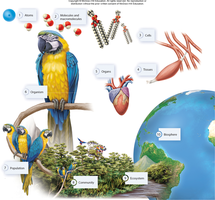
Unity and Diversity of Life
All living organisms share certain unifying traits, yet exhibit remarkable diversity. The unity of life is reflected in common cellular structures and genetic material, while diversity arises from evolutionary processes.
Unity: All organisms are composed of cells, use DNA as genetic material, and require energy.
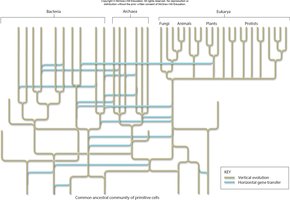
Diversity: Life evolves through vertical descent with mutation and horizontal gene transfer, leading to the vast variety of species.
Phylogenetic Tree of Life
The three domains of life—Bacteria, Archaea, and Eukarya—are distinguished by cellular characteristics and evolutionary history.
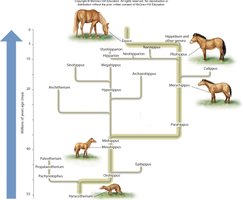
Vertical Descent with Mutation
Vertical descent involves the transmission of genetic material from parent to offspring, with mutations accumulating over generations. Natural selection acts on these mutations, driving evolution.
Horizontal Gene Transfer (HGT)
HGT is the transfer of genetic material between organisms that are not parent and offspring, contributing to genetic diversity especially in prokaryotes.
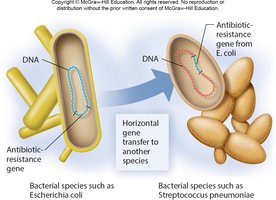
Comparison of Vertical and Horizontal Gene Transfer
Cell Theory and History of Cell Biology
Development of Cell Theory
Cell theory is a foundational concept in biology, stating that all organisms are composed of cells, the cell is the structural unit of life, and cells arise only from preexisting cells.
Historical Figures: Early pioneers such as Robert Hooke and Antoni van Leeuwenhoek made significant contributions to cell biology through the development and use of microscopes.
The Three Tenets of Cell Theory: 1. All organisms are composed of one or more cells. 2. The cell is the structural unit of life. 3. Cells can arise only by division from a preexisting cell.
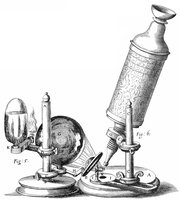
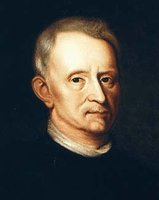

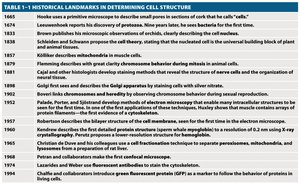
Historical Landmarks in Cell Structure
Major discoveries in cell biology have shaped our understanding of cells and their functions.
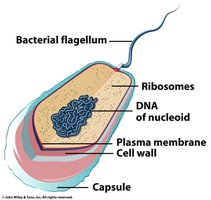
Prokaryotes vs. Eukaryotes
Cells are classified into two basic types: prokaryotes and eukaryotes. Prokaryotes lack a nucleus and membrane-bound organelles, while eukaryotes possess a nucleus and complex organelles.
Prokaryotes: Include Bacteria and Archaea; DNA is located in the nucleoid region.
Eukaryotes: Include Eukarya (plants, animals, fungi, protists); DNA is enclosed within a nuclear membrane.
The Unifying Principles of Life
Living Organisms Require Energy
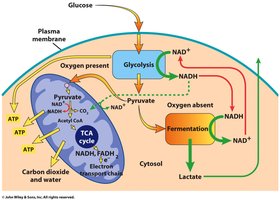
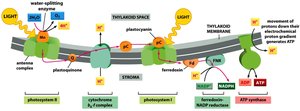
All living organisms need energy to carry out cellular processes. Energy can be obtained through fermentation, respiration, or photosynthesis.
Fermentation and Respiration: Processes that convert glucose into ATP, the energy currency of the cell.
Photosynthesis: The process by which plants and some organisms convert light energy into chemical energy.
Living Organisms Interact with the Environment
Organisms constantly interact with their environment, responding to changes and adapting to survive.
Living Organisms Maintain Homeostasis
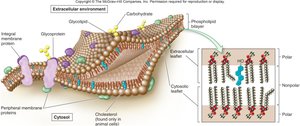
Homeostasis is the ability of an organism to maintain internal stability despite external changes. This principle is essential for survival and proper functioning.
Living Organisms Grow and Develop
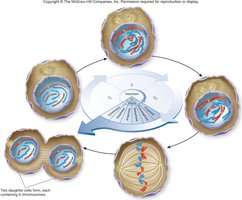
Growth and development are fundamental characteristics of life. Genetic material serves as the blueprint for reproduction and development.
Biology as a Scientific Discipline
Scientific Inquiry and Method
Science is derived from the Latin "to know" and involves inquiry—seeking information by questioning. Scientific inquiry in biology involves making observations, forming hypotheses, designing experiments, and evaluating data.
Discovery-Based Science: Collection of data without a preconceived hypothesis, often leading to hypothesis testing.
Hypothesis Testing: Involves proposing a hypothesis, conducting experiments, and analyzing data to support or refute the hypothesis.
Hypotheses vs. Theories
A hypothesis is a testable prediction, while a theory is a well-substantiated explanation supported by a large body of evidence. Hypotheses are never proven, only supported or refuted.
Fields of Biology
Biology encompasses various fields, each focusing on different levels of organization and methods of study.
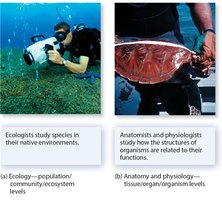
Ecology: Study of populations, communities, and ecosystems.
Anatomy and Physiology: Study of organism structure and function.
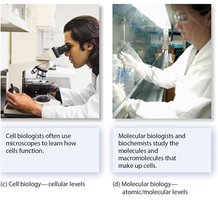
Cell Biology: Study of cells and their functions.
Molecular Biology and Biochemistry: Study of molecules and macromolecules in cells.
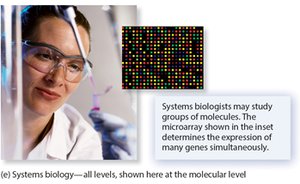
Systems Biology: Study of groups of molecules and gene expression.
Summary Table: Prokaryotes vs. Eukaryotes
Feature | Prokaryotes | Eukaryotes |
|---|---|---|
Nucleus | No | Yes |
Membrane-bound organelles | No | Yes |
Domains | Bacteria, Archaea | Eukarya |
DNA location | Nucleoid | Nucleus |
Key Equations
Cellular Respiration:
Photosynthesis:
Additional info: Academic context was added to clarify the principles, cell theory, and scientific method for completeness and exam preparation.
