
Ch. 19 - Viruses
Campbell - Campbell Biology 12th Edition
Urry12th EditionCampbell BiologyISBN: 9785794169850당신이 사용하는 게 아니라요?교과서 변경
19장, 문제 2

Emerging viruses arise by
a. Mutation of existing viruses.
b. The spread of existing viruses to new host species.
c. The spread of existing viruses more widely within their host species.
d. All of the above.

검증된 단계별 안내
1
Understand the concept of 'emerging viruses': Emerging viruses are those that have recently appeared within a population or those whose incidence or geographic range is rapidly increasing.
Consider option a: Mutation of existing viruses. Viruses can mutate rapidly, leading to new strains that may be more infectious or evade the immune system, contributing to their emergence.
Consider option b: The spread of existing viruses to new host species. When a virus jumps from its original host species to a new one, it can lead to the emergence of new viral diseases in the new host population.
Consider option c: The spread of existing viruses more widely within their host species. Increased transmission within a host species can lead to higher incidence rates and potentially new outbreaks, contributing to the virus being considered 'emerging'.
Evaluate option d: All of the above. Since all the previous options (a, b, and c) describe mechanisms by which viruses can emerge, this option suggests that emerging viruses can arise through any or all of these processes.

비슷한 문제에 대한 검증된 영상 답변:

이 영상 해법은 위 문제에 도움이 된다고 튜터들이 추천한 것입니다.
영상 길이:
1m
도움이 되었나요?

주요 개념

질문에 올바르게 답하기 위해 반드시 이해해야 하는 핵심 개념들은 다음과 같습니다.

Viral Mutation

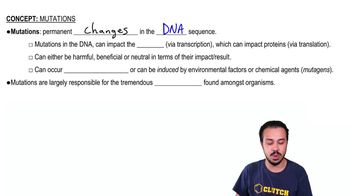
Viral mutation refers to changes in the genetic material of a virus, which can occur during replication. These mutations can lead to new viral strains with different characteristics, potentially increasing their ability to infect hosts or evade immune responses. Understanding viral mutation is crucial for comprehending how new viral variants emerge and adapt.
추천 영상:
02:29
Mutations

Host Species Jumping

Host species jumping, or zoonosis, occurs when a virus that typically infects one species adapts to infect a different species. This process can lead to the emergence of new viral diseases in humans or other animals. It often involves genetic changes that allow the virus to overcome species-specific barriers to infection.
추천 영상:
가이드 코스
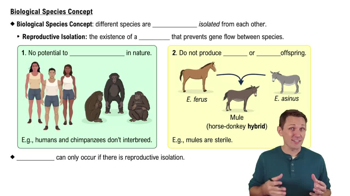
03:24
Biological Species Concept

Viral Spread Within Host Species

The spread of viruses within a host species involves the transmission of the virus among individuals of the same species. Factors such as population density, social behavior, and environmental conditions can influence how widely a virus spreads. Understanding these dynamics is essential for controlling outbreaks and preventing widespread transmission.
추천 영상:
가이드 코스
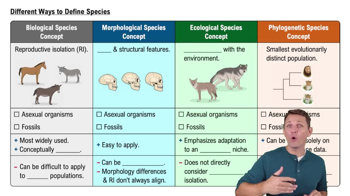
08:17
Different Ways to Define Species