Ch. 19 - Viruses
Campbell - Campbell Biology 12th Edition
Urry12th EditionCampbell BiologyISBN: 9785794169850당신이 사용하는 게 아니라요?교과서 변경
19장, 문제 1

Which of the following characteristics, structures, or processes is common to both bacteria and viruses?
a. Metabolism
b. Ribosomes
c. Genetic material composed of nucleic acid
d. Cell division

검증된 단계별 안내
1
Understand the basic definitions: Bacteria are single-celled microorganisms that have a simple cell structure without a nucleus, while viruses are non-cellular entities that require a host cell to replicate.
Identify the characteristics of bacteria: Bacteria have a metabolism, contain ribosomes for protein synthesis, have genetic material in the form of DNA, and reproduce through cell division (binary fission).
Identify the characteristics of viruses: Viruses do not have a metabolism, lack ribosomes, and cannot perform cell division. They have genetic material, which can be either DNA or RNA, and replicate by hijacking the host cell's machinery.
Compare the characteristics: Both bacteria and viruses have genetic material composed of nucleic acids (either DNA or RNA). This is a common feature between the two.
Conclude the analysis: The characteristic common to both bacteria and viruses is the presence of genetic material composed of nucleic acids, which is option c.

비슷한 문제에 대한 검증된 영상 답변:

이 영상 해법은 위 문제에 도움이 된다고 튜터들이 추천한 것입니다.
영상 길이:
47s
도움이 되었나요?

주요 개념

질문에 올바르게 답하기 위해 반드시 이해해야 하는 핵심 개념들은 다음과 같습니다.

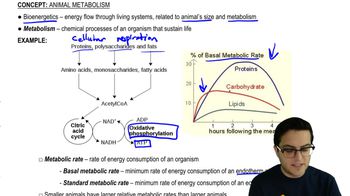
Metabolism

Metabolism refers to the chemical processes that occur within a living organism to maintain life, including energy production and synthesis of molecules. Bacteria have metabolic pathways that allow them to grow and reproduce independently. In contrast, viruses lack metabolic machinery and rely on host cells to perform metabolic functions necessary for their replication.
추천 영상:

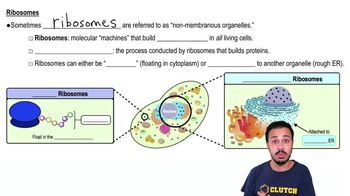
Ribosomes

Ribosomes are cellular structures responsible for protein synthesis, translating genetic information into proteins. Bacteria possess ribosomes, enabling them to produce proteins essential for their survival and function. Viruses, however, do not have ribosomes and must hijack the host cell's ribosomes to synthesize viral proteins.
추천 영상:

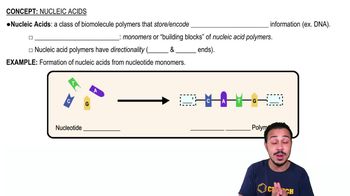
Genetic Material Composed of Nucleic Acid

Both bacteria and viruses contain genetic material composed of nucleic acids, either DNA or RNA, which carries the instructions for their replication and function. Bacteria typically have a single circular DNA molecule, while viruses can have either DNA or RNA as their genetic material, depending on the type of virus.
추천 영상: