

Ch. 20 - The Molecular Revolution: Biotechnology, Genomics, and New Frontiers
Freeman - Biological Science 8th Edition
Freeman8th EditionBiological ScienceISBN: 9780138276263당신이 사용하는 게 아니라요?교과서 변경
20장, 문제 1

Describe why biologists often generate genetically modified organisms (GMOs) for research purposes.

검증된 단계별 안내
1
Identify the purpose of the research: Biologists create GMOs to study specific genes, proteins, or metabolic pathways. By altering the genetic makeup of an organism, researchers can investigate the effects of specific genes on biological functions and processes.
Enhance or introduce new traits: By inserting or modifying genes in an organism, scientists can express new traits that are not naturally present or enhance existing traits. This allows for the study of gene functions and interactions in a controlled environment.
Model organisms: GMOs can be used to create model organisms that mimic human diseases. This enables researchers to study the progression and potential treatments of these diseases in a laboratory setting without direct experimentation on humans.
Agricultural research: In addition to medical and fundamental biological research, GMOs are used to develop crops with improved yields, resistance to pests and diseases, and tolerance to environmental stresses. This research can lead to more sustainable agricultural practices.
Ethical and safety considerations: While generating GMOs, biologists must consider ethical implications and ensure that their research complies with regulatory guidelines to prevent potential ecological impacts and ensure public safety.

주요 개념

질문에 올바르게 답하기 위해 반드시 이해해야 하는 핵심 개념들은 다음과 같습니다.

Genetic Modification

Genetic modification involves altering the DNA of an organism to achieve desired traits. This can be done through various techniques, such as CRISPR or transgenic methods, allowing scientists to introduce, enhance, or suppress specific genes. GMOs are crucial in research as they can model human diseases, study gene functions, and develop new treatments.
추천 영상:
가이드 코스
04:26
Post-Translational Modification

Research Applications

Biologists use GMOs in research to explore biological processes and test hypotheses in a controlled environment. For instance, genetically modified mice can be used to study cancer, diabetes, or neurological disorders, providing insights that are often difficult to obtain from non-modified organisms. This research can lead to advancements in medicine and agriculture.
추천 영상:
가이드 코스
03:07
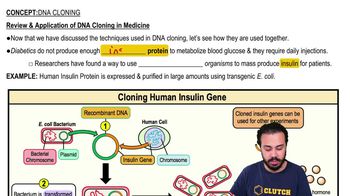
Review & Application of DNA Cloning in Medicine

Ethical Considerations

The use of GMOs raises ethical questions regarding safety, environmental impact, and animal welfare. Biologists must navigate these concerns while conducting research, ensuring that the benefits of using GMOs outweigh potential risks. Regulatory frameworks and ethical guidelines are essential to address these issues and promote responsible research practices.