Ch. 26 - Bacteria and Archaea
Freeman - Biological Science 8th Edition
Freeman8th EditionBiological ScienceISBN: 9780138276263당신이 사용하는 게 아니라요?교과서 변경
26장, 문제 9

Streptococcus mutans obtains energy by oxidizing sucrose. This bacterium is abundant in the mouths of Western European and North American children and is a prominent cause of cavities. The organism is virtually absent in children from East Africa, where tooth decay is rare. Propose a hypothesis to explain this observation. Outline the design of a study that would test your hypothesis.

검증된 단계별 안내
1
Step 1: Formulate a hypothesis based on the observation. A possible hypothesis could be: 'The absence of Streptococcus mutans in East African children is due to dietary differences, particularly lower consumption of sucrose, which reduces the bacterium's energy source and thus its prevalence and the incidence of cavities.'
Step 2: Design a study to test the hypothesis. Begin by selecting a sample of children from both Western Europe/North America and East Africa. Ensure that the sample is representative in terms of age, health status, and other relevant factors.
Step 3: Collect data on the children's diets, specifically focusing on sucrose intake. This could involve food frequency questionnaires, 24-hour dietary recalls, or direct observation of eating habits.
Step 4: Measure the prevalence of Streptococcus mutans in the mouths of the children using oral swabs followed by microbial culture techniques or molecular methods to identify and quantify the bacterium.
Step 5: Analyze the data to see if there is a correlation between sucrose intake and the presence of Streptococcus mutans, and subsequently, the incidence of cavities. Use statistical methods to determine if the differences observed are significant, while controlling for potential confounding factors.

비슷한 문제에 대한 검증된 영상 답변:

이 영상 해법은 위 문제에 도움이 된다고 튜터들이 추천한 것입니다.
영상 길이:
2m
도움이 되었나요?

주요 개념

질문에 올바르게 답하기 위해 반드시 이해해야 하는 핵심 개념들은 다음과 같습니다.

Metabolism of Streptococcus mutans

Streptococcus mutans is a bacterium that metabolizes sucrose through fermentation, producing lactic acid as a byproduct. This acid can demineralize tooth enamel, leading to cavities. Understanding its metabolic pathways is crucial for hypothesizing why its prevalence correlates with dental health in different populations.
추천 영상:

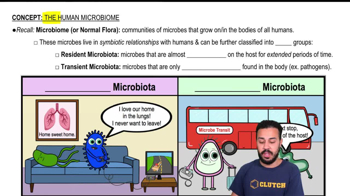
Ecological Factors in Oral Microbiome

The oral microbiome consists of various microorganisms that interact with each other and their environment. Factors such as diet, hygiene practices, and cultural differences can influence the composition of this microbiome, potentially explaining the absence of S. mutans in certain populations and their lower incidence of cavities.
추천 영상:
가이드 코스
03:25
The Human Microbiome

Hypothesis Testing and Study Design

Formulating a hypothesis involves making a testable prediction based on observations. A well-designed study to test this hypothesis would include comparing dietary habits, oral hygiene practices, and the presence of S. mutans in different populations. This could involve cross-sectional surveys or longitudinal studies to establish causal relationships.
추천 영상: