Ch. 42 - Gas Exchange and Circulation
Freeman - Biological Science 8th Edition
Freeman8th EditionBiological ScienceISBN: 9780138276263당신이 사용하는 게 아니라요?교과서 변경
42장, 문제 1

Which of the following statements regarding the insect tracheal system is/are correct? Select True or False for each statement.
T/F Tracheae dilate and constrict during flight or other types of movement, functioning as a 'breathing' mechanism.
T/F Spiracles open into the body cavity, allowing direct contact between the air and hemolymph.
T/F Tracheae carry oxygen to alveoli; here the oxygen diffuses into the hemolymph to be delivered to tissues.
T/F Spiracles can close to minimize water loss.

검증된 단계별 안내
1
Step 1: Understand the function of the insect tracheal system. Insects have a network of tubes called tracheae that deliver oxygen directly to tissues. This system is different from the mammalian respiratory system, which uses lungs and alveoli.
Step 2: Evaluate the statement about tracheae dilating and constricting. Consider how movement might affect the tracheal system. Insects can control the opening and closing of spiracles, and some can alter the size of tracheae during activities like flight.
Step 3: Analyze the statement about spiracles opening into the body cavity. Spiracles are openings on the insect's exoskeleton that connect to the tracheal system, allowing air to enter directly. Consider whether they allow direct contact with hemolymph.
Step 4: Examine the statement about tracheae carrying oxygen to alveoli. Insects do not have alveoli; instead, tracheae deliver oxygen directly to cells. Compare this with the mammalian system where alveoli are involved in gas exchange.
Step 5: Consider the statement about spiracles closing to minimize water loss. Spiracles can close to prevent desiccation, which is crucial for insects living in dry environments. Reflect on how this mechanism helps insects conserve water.

비슷한 문제에 대한 검증된 영상 답변:

이 영상 해법은 위 문제에 도움이 된다고 튜터들이 추천한 것입니다.
영상 길이:
38s

주요 개념

질문에 올바르게 답하기 위해 반드시 이해해야 하는 핵심 개념들은 다음과 같습니다.

Insect Tracheal System

The insect tracheal system is a network of air-filled tubes that deliver oxygen directly to tissues. Unlike vertebrates, insects do not use blood to transport oxygen; instead, air enters through spiracles and travels through tracheae to reach cells, facilitating direct gas exchange without the need for alveoli.
추천 영상:
09:19
Immune System

Spiracles

Spiracles are small openings on the surface of an insect's body that allow air to enter the tracheal system. They can open and close to regulate airflow and minimize water loss, which is crucial for maintaining hydration in terrestrial environments. Spiracles do not open into the body cavity but connect directly to tracheae.
추천 영상:
13:55
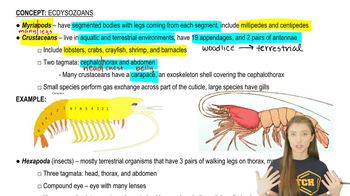
Crustaceans and Hexapods

Tracheal Function During Movement

During activities like flight, insects can alter the volume of their tracheal system by dilating and constricting tracheae, which aids in ventilating the system. This 'breathing' mechanism helps increase oxygen delivery to tissues when metabolic demands are high, although it does not involve alveoli as in vertebrate lungs.
추천 영상:
06:04
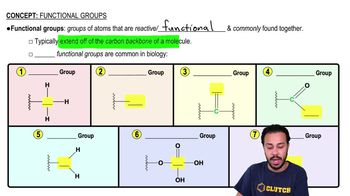
Functional Groups