Ch. 49 - An Introduction to Ecology
Freeman - Biological Science 8th Edition
Freeman8th EditionBiological ScienceISBN: 9780138276263당신이 사용하는 게 아니라요?교과서 변경
49장, 문제 4

What is one expected consequence of global climate change?
a. Average rainfall will increase.
b. Average rainfall will decrease.
c. Variability in rainfall will increase.
d. We cannot make predictions about future rainfall.

검증된 단계별 안내
1
Understand the context of global climate change: It refers to long-term changes in temperature, precipitation, and other atmospheric conditions on Earth.
Consider the impact of climate change on weather patterns: Climate change can lead to more extreme and unpredictable weather events.
Analyze the options given: Each option suggests a different consequence of climate change on rainfall patterns.
Evaluate the scientific consensus: Research indicates that climate change is likely to increase variability in weather patterns, including rainfall.
Conclude based on evidence: Increased variability in rainfall is a widely expected consequence of global climate change, making option c a plausible answer.

비슷한 문제에 대한 검증된 영상 답변:

이 영상 해법은 위 문제에 도움이 된다고 튜터들이 추천한 것입니다.
영상 길이:
1m
도움이 되었나요?

주요 개념

질문에 올바르게 답하기 위해 반드시 이해해야 하는 핵심 개념들은 다음과 같습니다.

Global Climate Change

Global climate change refers to long-term alterations in temperature, precipitation, wind patterns, and other elements of the Earth's climate system. It is primarily driven by human activities, such as burning fossil fuels and deforestation, which increase greenhouse gas concentrations in the atmosphere, leading to global warming and associated climatic shifts.
추천 영상:
가이드 코스
03:36
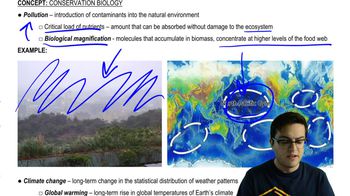
Pollution and Climate Change

Rainfall Patterns

Rainfall patterns describe the distribution and variability of precipitation over time and space. Climate change can alter these patterns, leading to changes in the frequency, intensity, and distribution of rainfall. This can result in more extreme weather events, such as droughts and floods, affecting ecosystems, agriculture, and water resources.
추천 영상:
가이드 코스
01:36
Earth's Climate Patterns Example 1

Climate Models and Predictions

Climate models are complex computer simulations that use mathematical formulas to predict future climate conditions based on current data and trends. These models help scientists understand potential changes in climate variables, such as temperature and precipitation, under different scenarios. While they provide valuable insights, predictions can vary due to uncertainties in data and model limitations.
추천 영상:
가이드 코스
01:41
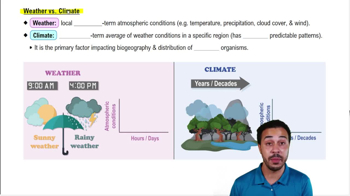
Weather vs. Climate