Ch. 50 - Behavioral Ecology
Freeman - Biological Science 8th Edition
Freeman8th EditionBiological ScienceISBN: 9780138276263당신이 사용하는 게 아니라요?교과서 변경
50장, 문제 1

Many insects, birds, and other animals are attracted to artificial lights, a side effect of their innate navigational strategies. For example, many birds fly off-course toward bright urban areas during their fall and spring migrations, causing bird mortality due to window strikes and exhaustion. Pose one solution that could reduce impacts on animals and also benefit humans.

검증된 단계별 안내
1
Identify the specific types of artificial lights that are most attractive to animals, such as certain wavelengths or intensities that may interfere with their natural behaviors.
Research and develop alternative lighting technologies that are less disruptive to wildlife. This could include lights with wavelengths outside the visual range of most birds and insects, or lights that can be dimmed during peak migration periods.
Implement city-wide or regional initiatives to replace existing harmful lighting with wildlife-friendly alternatives. This could involve collaboration between government, businesses, and conservation groups.
Educate the public and local businesses about the impact of light pollution on wildlife and promote the benefits of reducing light pollution, such as energy savings and improved human health from reduced glare and better night skies.
Monitor and study the effects of the new lighting solutions on wildlife and adjust strategies as needed to ensure that they are effective in reducing harm to animals while also providing adequate lighting for human needs.

주요 개념

질문에 올바르게 답하기 위해 반드시 이해해야 하는 핵심 개념들은 다음과 같습니다.

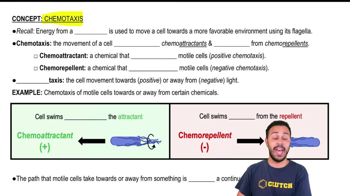
Phototaxis

Phototaxis is the movement of organisms in response to light, where many species are attracted to bright sources. This behavior is often instinctual, guiding animals during navigation. However, artificial lights can disrupt natural migratory patterns, leading to disorientation and increased mortality rates, particularly in birds.
추천 영상:

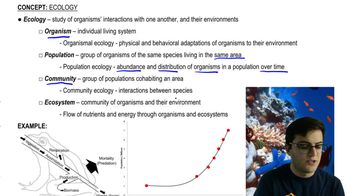
Urban Ecology

Urban ecology studies the interactions between living organisms and their urban environment. It examines how urbanization affects wildlife, including habitat loss and altered behaviors. Understanding urban ecology is crucial for developing strategies that mitigate negative impacts on wildlife while accommodating human needs.
추천 영상:

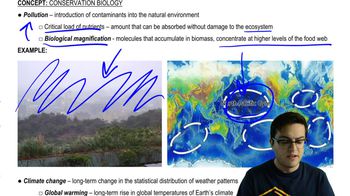
Light Pollution Mitigation

Light pollution mitigation involves strategies to reduce excessive artificial light in the environment. Solutions may include using shielded lighting, implementing curfews for outdoor lighting, or utilizing warmer light spectrums. These measures can help protect wildlife, particularly during migration, while still providing necessary illumination for human activities.
추천 영상:
가이드 코스
03:36
Pollution and Climate Change