 뒤로
뒤로Functions and Graphs: Elementary Functions and Transformations 1.2
스터디 가이드 - 스마트 노트
 자료에 맞춘 맞춤형 노트, 핵심 정의, 예시, 맥락을 확장해 제공합니다.
Functions and Graphs
Elementary Functions: Graphs and Transformations
This section introduces a foundational library of elementary functions and explores how their graphs can be transformed through shifts, stretches, shrinks, and reflections. Understanding these basic functions and their transformations is essential for analyzing more complex functions in calculus and business applications.
A Library of Elementary Functions
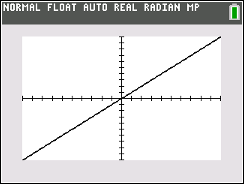
Identity Function: The function maps each real number to itself. Its domain and range are both the set of all real numbers, .
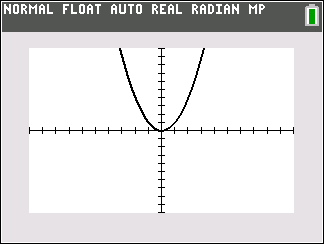
Square Function: The function produces a parabola opening upwards. Its domain is , and its range is .
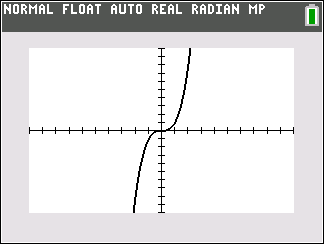
Cube Function: The function is defined for all real numbers and is an odd function, symmetric about the origin. Its domain and range are .
Square Root Function: The function is defined for and its range is .
Cube Root Function: The function is defined for all real numbers, with domain and range .
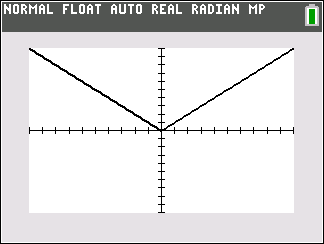
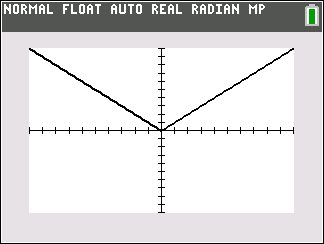
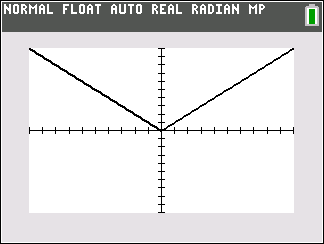
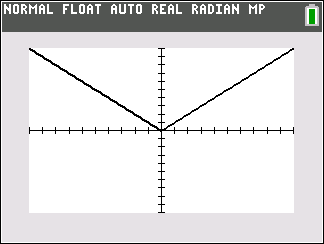
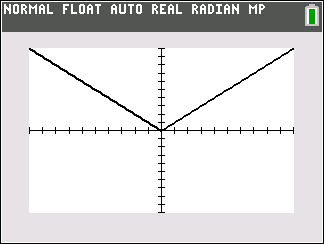
Absolute Value Function: The function outputs the non-negative value of . Its domain is and its range is .
Piecewise-Defined Functions
Piecewise-defined functions are functions that use different rules for different parts of their domain. For example, the absolute value function can be written as:
To graph a piecewise-defined function, graph each rule over its specified domain interval.
Example: The point (2, 1) may be on the graph, but (2, 3) may not, depending on the rule for .
Transformations of Functions
Transformations allow us to shift, stretch, shrink, or reflect the graph of a function. These operations are essential for modeling and interpreting real-world phenomena in business calculus.
Vertical and Horizontal Shifts
Vertical Shift: The graph of is the graph of shifted vertically. If , the shift is upward by units; if , the shift is downward by units.
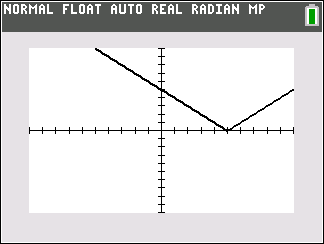
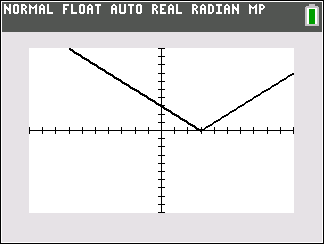
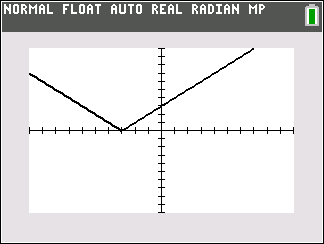
Horizontal Shift: The graph of is the graph of shifted horizontally. If , the shift is to the left by units; if , the shift is to the right by units.
Examples: Vertical Shifts
Upward Shift: shifts the graph up by 4 units.
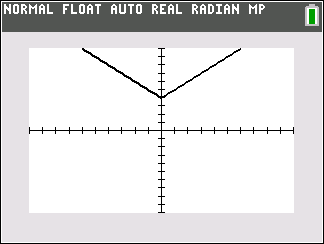
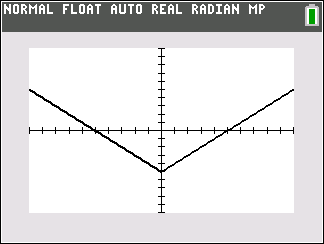
Downward Shift: shifts the graph down by 5 units.
Examples: Horizontal Shifts
Left Shift: shifts the graph left by 4 units.
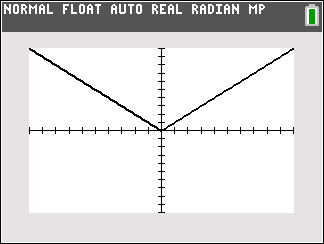
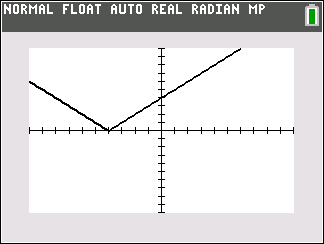
Right Shift: shifts the graph right by 5 units.
Summary Table: Graph Translations
Transformation | Equation | Effect |
|---|---|---|
Vertical Translation | Up units if ; Down units if | |
Horizontal Translation | Left units if ; Right units if |
Stretches, Shrinks, and Reflections
Vertical Stretch: with stretches the graph vertically by a factor of .
Vertical Shrink: with shrinks the graph vertically by a factor of .
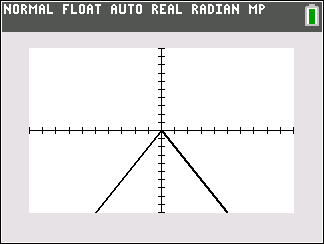
Reflection in the x-axis: reflects the graph across the x-axis.
Reflection in the y-axis: reflects the graph across the y-axis.
Examples: Vertical Stretch and Shrink
Vertical Stretch: stretches the graph by a factor of 2.
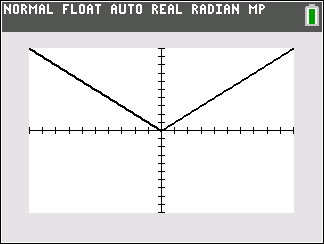
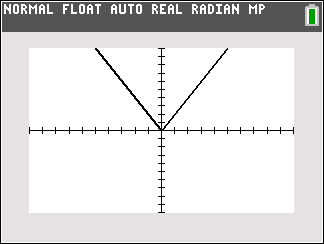
Vertical Shrink: shrinks the graph by a factor of 0.5.
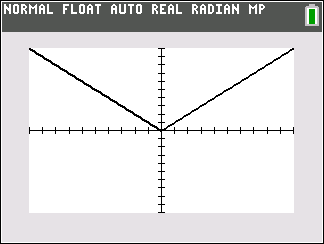
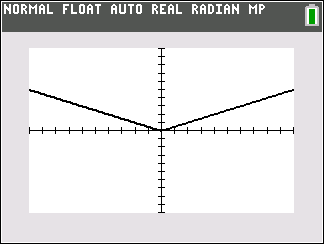
Vertical Stretch and Reflection: stretches the graph by a factor of 2 and reflects it in the x-axis.
Summary Table: Stretching, Shrinking, and Reflections
Transformation | Equation | Effect |
|---|---|---|
Vertical Stretch | , | Stretches vertically by |
Vertical Shrink | , | Shrinks vertically by |
Reflection in x-axis | Reflects across x-axis | |
Reflection in y-axis | Reflects across y-axis |
Examples: Reflections
y-axis Reflection: reflects the graph in the y-axis.
Conclusion
Understanding elementary functions and their transformations is a critical skill in business calculus. These concepts provide the foundation for analyzing more complex functions and their applications in business, economics, and the social sciences.
