 뒤로
뒤로Introduction to Managerial Accounting: Key Concepts and Trends
스터디 가이드 - 스마트 노트
 자료에 맞춘 맞춤형 노트, 핵심 정의, 예시, 맥락을 확장해 제공합니다.
Introduction to Managerial Accounting
Overview
Managerial accounting is a branch of accounting focused on providing information to internal users, such as managers, to aid in decision-making, planning, and controlling business operations. Unlike financial accounting, which targets external stakeholders, managerial accounting emphasizes relevance, timeliness, and future-oriented data to support organizational goals.
Managers’ Three Primary Responsibilities
Planning, Directing, and Controlling
Managers rely on managerial accounting to fulfill three core responsibilities:
Planning: Setting goals and objectives and determining how to achieve them.
Directing: Overseeing the company’s day-to-day operations to ensure plans are implemented effectively.
Controlling: Evaluating results of business operations and making adjustments as needed to stay on track with goals.
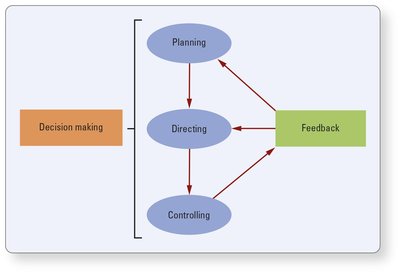
Example: A manager may plan to increase sales by 20%, direct marketing efforts to achieve this, and control by comparing actual sales to targets and adjusting strategies as necessary.
Managerial Accounting vs. Financial Accounting
Key Differences
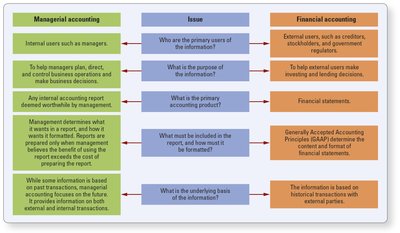
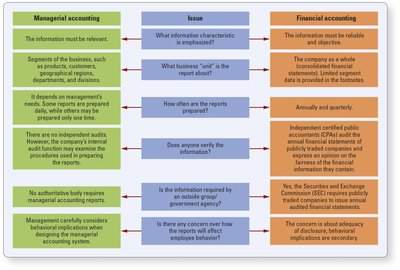
Managerial and financial accounting serve different purposes and audiences. The following table summarizes their main distinctions:
Managerial Accounting | Issue | Financial Accounting |
|---|---|---|
Internal users (managers) | Primary users | External users (creditors, investors, regulators) |
Helps with planning, directing, and controlling | Purpose | Helps with investing and lending decisions |
Any internal accounting report | Primary product | Financial statements |
Management determines content and format | Report content | GAAP determines content and format |
Based on relevant data, including estimates | Basis of information | Based on historical transactions |
Example: Managerial accounting might prepare a budget for a department, while financial accounting prepares the company’s annual income statement.
Roles and Skills of Management Accountants
Core Competencies and Organizational Roles
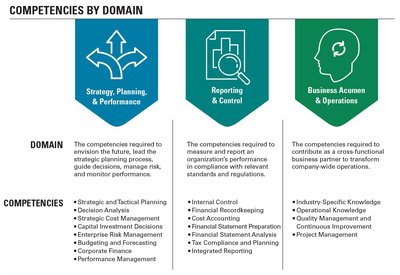
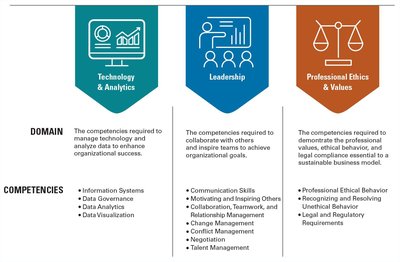
Management accountants are valued advisors who use critical thinking, insight, and judgment to support business decisions. Their expertise spans several domains:
Strategy, Planning, & Performance
Reporting & Control
Business Acumen & Operations
Technology & Analytics
Leadership
Professional Ethics & Values
Management accountants work in various industries and roles, including entrepreneurship, business management, marketing, sales, and human resources.
Organizational Structure
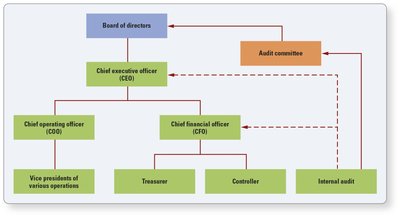
Management accountants often report to the Chief Financial Officer (CFO) and may work with controllers, treasurers, and internal auditors within a typical corporate hierarchy.
The Institute of Management Accountants (IMA) and Ethical Standards
IMA and CMA Certification
The Institute of Management Accountants (IMA) is a leading professional association for management accountants in the United States. It offers the Certified Management Accountant (CMA) certification, which requires passing a rigorous two-part exam, relevant work experience, and ongoing professional education.
Example: Earning a CMA can increase a professional’s earning potential by 20% compared to non-CMAs.
Ethical Standards
Management accountants must adhere to four main ethical standards:
Competence
Confidentiality
Integrity
Credibility
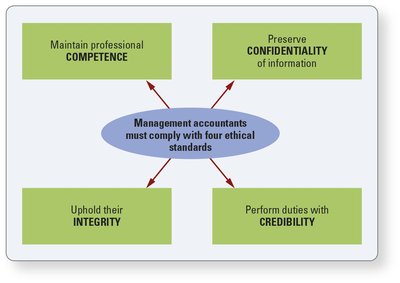
Unethical behavior may not always be illegal, but all illegal behavior is unethical. The IMA’s ethical principles are broader than legal requirements and include honesty, fairness, objectivity, and responsibility.
Resolving Ethical Dilemmas
When faced with ethical dilemmas, management accountants should:
Follow company policies
Discuss with supervisors or objective advisors
Contact the IMA’s anonymous hotline
Consult an attorney if necessary
Business Trends and Regulations Affecting Managerial Accounting
Data Analytics and Critical Thinking
Modern businesses rely on data analytics and critical thinking to make informed decisions. Small businesses use accounting software like QuickBooks, while large organizations implement Enterprise Resource Planning (ERP) systems such as SAP and Oracle to integrate global operations.


Critical thinking is essential for interpreting data and making sound business judgments.
Knowledge Economy and Globalization
The shift to a knowledge economy and increased globalization require management accountants to provide timely, accurate information and adapt to international regulations and practices.
Sustainability, Social Responsibility, and the Triple Bottom Line
Sustainability in managerial accounting means meeting present needs without compromising future generations. The Triple Bottom Line evaluates a company’s performance in three areas: social (people), environmental (planet), and economic (profit).
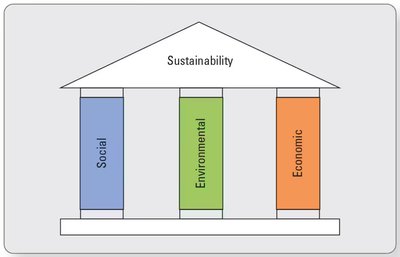
Example: Reducing water usage impacts the environmental pillar, while increasing dividends affects the economic pillar.
Sarbanes-Oxley Act of 2002 (SOX)
The Sarbanes-Oxley Act was enacted in response to major corporate scandals to restore trust in financial reporting. It strengthened internal controls, enhanced financial reporting, and increased regulations for publicly traded companies.
Key Features: CEO/CFO certification of financial statements, increased penalties for fraud, and requirements for internal control assessments.
Summary Table: Managerial vs. Financial Accounting
Characteristic | Managerial Accounting | Financial Accounting |
|---|---|---|
Primary Users | Internal (managers) | External (investors, creditors) |
Purpose | Planning, directing, controlling | Investment/lending decisions |
Focus | Future-oriented | Historical |
Reporting Frequency | As needed | Annually/quarterly |
Regulation | Not governed by GAAP | Governed by GAAP/IFRS |
Additional info: This guide covers the foundational concepts of managerial accounting, including its distinction from financial accounting, the roles and ethical standards of management accountants, and the impact of current business trends and regulations.
