 뒤로
뒤로Recording Transactions: Debits, Credits, Journals, and Ledgers in Financial Accounting
스터디 가이드 - 스마트 노트
 자료에 맞춘 맞춤형 노트, 핵심 정의, 예시, 맥락을 확장해 제공합니다.
Recording Transactions in Financial Accounting
The Accounting Cycle Overview
The accounting cycle is a systematic process used to identify, record, and summarize business transactions for financial reporting. It ensures that all financial data is accurately captured and reported.
Analyze Transactions: Review source documents and determine the impact on accounts.
Journalize: Record transactions in the journal.
Post: Transfer journal entries to the ledger.
Trial Balance: Prepare a trial balance to check accuracy.
Adjusting Entries: Make necessary adjustments.
Adjusted Trial Balance: Prepare a new trial balance after adjustments.
Financial Statements: Prepare financial statements.
Closing Entries: Close temporary accounts.
Post-Closing Trial Balance: Final check of account balances.

Accounts, Debits, and Credits
Business transactions are recorded using accounts, debits, and credits. Each account tracks increases and decreases for a specific asset, liability, equity, revenue, or expense item.
Account: A record for each asset, liability, equity, revenue, or expense.
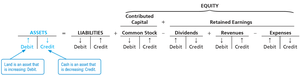
Debit (DR): The left side of an account; increases assets and expenses, decreases liabilities and equity.
Credit (CR): The right side of an account; increases liabilities and equity, decreases assets and expenses.
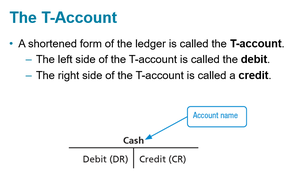
Double-Entry System
The double-entry system requires that every transaction affects at least two accounts, keeping the accounting equation in balance. Debits must always equal credits.
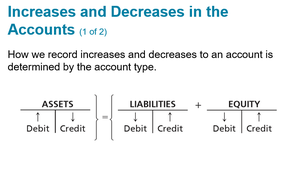
Accounting Equation:
Each transaction is recorded with equal debits and credits.
Increases and Decreases in Accounts
How increases and decreases are recorded depends on the account type. The normal balance is the side (debit or credit) that increases the account.
Assets: Increase with debits, decrease with credits.
Liabilities: Increase with credits, decrease with debits.
Equity: Increase with credits, decrease with debits.
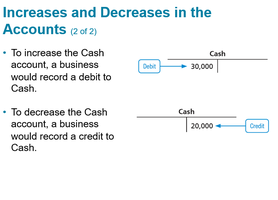
Example: Cash Account
To increase Cash, debit the account.
To decrease Cash, credit the account.
Summary of Debit/Credit Rules
The following table summarizes how different account types are affected by debits and credits, and their normal balances.
Account Type | Increases | Decreases | Normal Balance |
|---|---|---|---|
Assets | Debit | Credit | Debit |
Expenses | Debit | Credit | Debit |
Dividends | Debit | Credit | Debit |
Liabilities | Credit | Debit | Credit |
Revenues | Credit | Debit | Credit |
Common Stock | Credit | Debit | Credit |
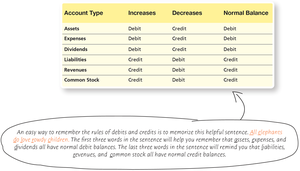
Mnemonic: "All elephants do lovely dances regularly" helps remember which accounts have normal debit balances (Assets, Expenses, Dividends) and which have normal credit balances (Liabilities, Revenues, Common Stock).
Journalizing Transactions
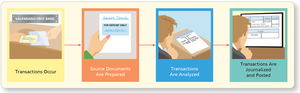
Source Documents and Transaction Analysis
Transactions originate from source documents such as invoices, checks, and receipts. These documents provide evidence for recording transactions.
Journal Entries
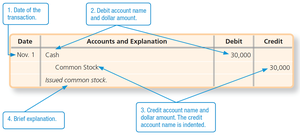
Journal entries record the effects of transactions in chronological order. Each entry includes the date, accounts affected, amounts, and a brief explanation.
Date: When the transaction occurred.
Accounts and Explanation: Debit and credit accounts, with a brief description.
Debit and Credit: Dollar amounts for each account.
Posting to the Ledger
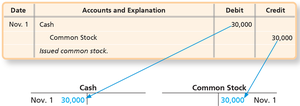
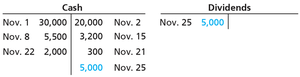
After journalizing, entries are posted to the ledger, which organizes transactions by account. This process helps track balances and prepares for financial statement creation.
Examples of Recording Transactions
Stockholder Contribution
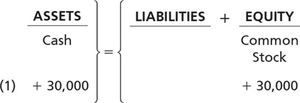
When a stockholder contributes cash in exchange for common stock, both the Cash and Common Stock accounts are affected.
Cash (Asset): Debit increases.
Common Stock (Equity): Credit increases.
Purchase of Land for Cash
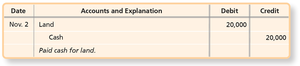
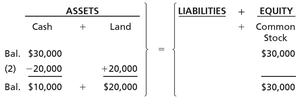
Paying cash for land increases the Land account and decreases the Cash account.
Land (Asset): Debit increases.
Cash (Asset): Credit decreases.
Purchase of Office Supplies on Account
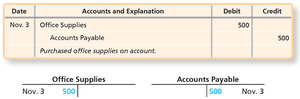
Buying supplies on account increases Office Supplies (asset) and Accounts Payable (liability).
Office Supplies: Debit increases.
Accounts Payable: Credit increases.
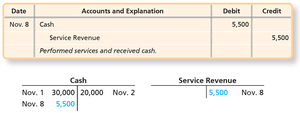
Earning Service Revenue for Cash
Receiving cash for services increases both Cash and Service Revenue.
Cash: Debit increases.
Service Revenue: Credit increases.
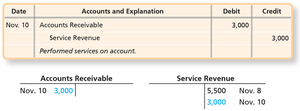
Earning Service Revenue on Account
Performing services on account increases Accounts Receivable and Service Revenue.
Accounts Receivable: Debit increases.
Service Revenue: Credit increases.
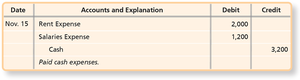
Payment of Expenses with Cash
Paying expenses decreases Cash and increases the relevant expense accounts.
Rent Expense: Debit increases.
Salaries Expense: Debit increases.
Cash: Credit decreases.

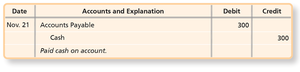
Payment on Account (Accounts Payable)
Paying off accounts payable decreases both Cash and Accounts Payable.
Accounts Payable: Debit decreases.
Cash: Credit decreases.

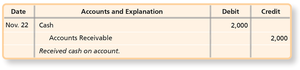
Collection on Account (Accounts Receivable)
Collecting cash from customers who previously owed increases Cash and decreases Accounts Receivable.
Cash: Debit increases.
Accounts Receivable: Credit decreases.

Payment of Cash Dividend
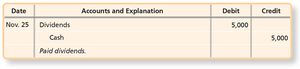
Paying dividends decreases Cash and increases Dividends (reducing retained earnings).
Dividends: Debit increases.
Cash: Credit decreases.
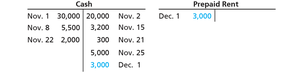
Prepaid Expenses
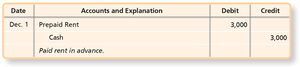
Paying rent in advance increases Prepaid Rent (asset) and decreases Cash.
Prepaid Rent: Debit increases.
Cash: Credit decreases.
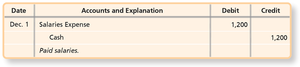
Payment of Salaries Expense
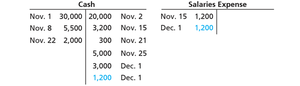
Paying salaries increases Salaries Expense and decreases Cash.
Salaries Expense: Debit increases.
Cash: Credit decreases.
Summary
Every transaction affects at least two accounts, maintaining the accounting equation.
Debits and credits are used to record increases and decreases in accounts.
Journal entries provide a chronological record; posting organizes by account.
Examples illustrate the application of these principles in real business scenarios.
