 뒤로
뒤로Chemistry and Measurements: Units and Their Applications
스터디 가이드 - 스마트 노트
 자료에 맞춘 맞춤형 노트, 핵심 정의, 예시, 맥락을 확장해 제공합니다.
Chapter 2: Chemistry and Measurements
Introduction
Chemistry relies on precise measurements to describe and analyze matter. Understanding the units and systems of measurement is fundamental for all scientific work, especially in chemistry. This chapter introduces the metric and International System of Units (SI), their abbreviations, and their application in measuring volume, length, mass, temperature, and time.
Units of Measurement
The Metric and International System of Units (SI)
The metric system and the International System of Units (SI) are standardized systems used globally by scientists to ensure consistency in measurements. Chemists use these systems to measure quantities, conduct experiments, and solve problems. The SI system is based on seven base units, with derived units for other quantities.
Volume: liter (L), milliliter (mL)
Length: meter (m), centimeter (cm)
Mass: kilogram (kg), gram (g)
Temperature: kelvin (K), degree Celsius (°C)
Time: second (s)
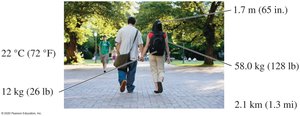
Volume
Definition and Units
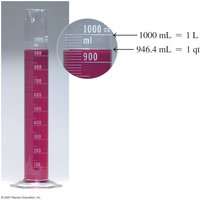
Volume is the amount of space occupied by a substance. In chemistry, volume is commonly measured in liters (L) and milliliters (mL). The SI unit for volume is the cubic meter (m3), but liters and milliliters are more practical for laboratory use.
1 Liter (L) = 1000 milliliters (mL)
1 Liter (L) = 1.057 quarts (qt)
946.4 milliliters (mL) = 1 quart (qt)
Length
Definition and Units
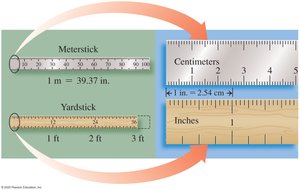
Length is the measurement of distance. The SI unit for length is the meter (m). Chemists often use centimeters (cm) for smaller measurements. The meter is slightly longer than a yard.
1 meter (m) = 100 centimeters (cm)
1 meter (m) = 1.094 yards (yd)
1 meter (m) = 39.37 inches (in)
2.54 centimeters (cm) = 1 inch (in)
Mass
Definition and Units
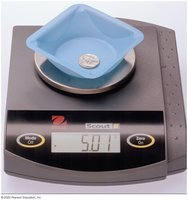
Mass is a measure of the quantity of material an object contains. It is measured using an electronic balance. The SI unit for mass is the kilogram (kg), but chemists often use grams (g) for convenience. Weight is related but measures the gravitational pull on an object; mass is preferred in scientific contexts because it does not depend on gravity.
1 kilogram (kg) = 1000 grams (g)
1 kilogram (kg) = 2.205 pounds (lb)
453.6 grams (g) = 1 pound (lb)
Temperature
Definition and Units
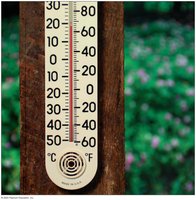
Temperature measures how hot or cold an object is. In the metric system, temperature is measured in degrees Celsius (°C), while the SI unit is the kelvin (K). The Fahrenheit (°F) scale is also used in some countries but is not part of the SI system.
Common laboratory temperatures: 18 °C (64 °F)
Kelvin scale starts at absolute zero (0 K)
Time
Definition and Units
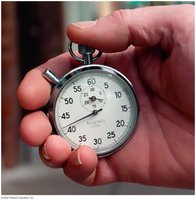
Time is measured in seconds (s) in both the metric and SI systems. Other common units include minutes (min), hours (h), and days. Time is based on the vibrations of atoms in atomic clocks for high precision.
1 day = 24 hours
1 hour = 60 minutes
1 minute = 60 seconds
Sample Problems: Identifying Units
Application in Healthcare
Understanding units is essential in healthcare and laboratory settings. For example, a nurse may encounter the following measurements:
A temperature of 38.5 °C (unit: degree Celsius, type: temperature)
1.5 g of cefuroxime (unit: gram, type: mass)
1 L of sodium chloride solution (unit: liter, type: volume)
Medication every 4 hours (unit: hour, type: time)
Summary Table: Common Units of Measurement
Quantity | SI Unit | Metric Unit | Common Abbreviation |
|---|---|---|---|
Volume | cubic meter (m3) | liter (L), milliliter (mL) | L, mL |
Length | meter (m) | centimeter (cm) | m, cm |
Mass | kilogram (kg) | gram (g) | kg, g |
Temperature | kelvin (K) | degree Celsius (°C) | K, °C |
Time | second (s) | second (s) | s |
Key Equations and Relationships
Volume:
Length:
Mass:
Temperature (Celsius to Kelvin):
Time:
Review
In science, physical quantities are described using standardized units from the metric or SI systems. Mastery of these units and their abbreviations is essential for accurate measurement and communication in chemistry.
