
교과서 질문
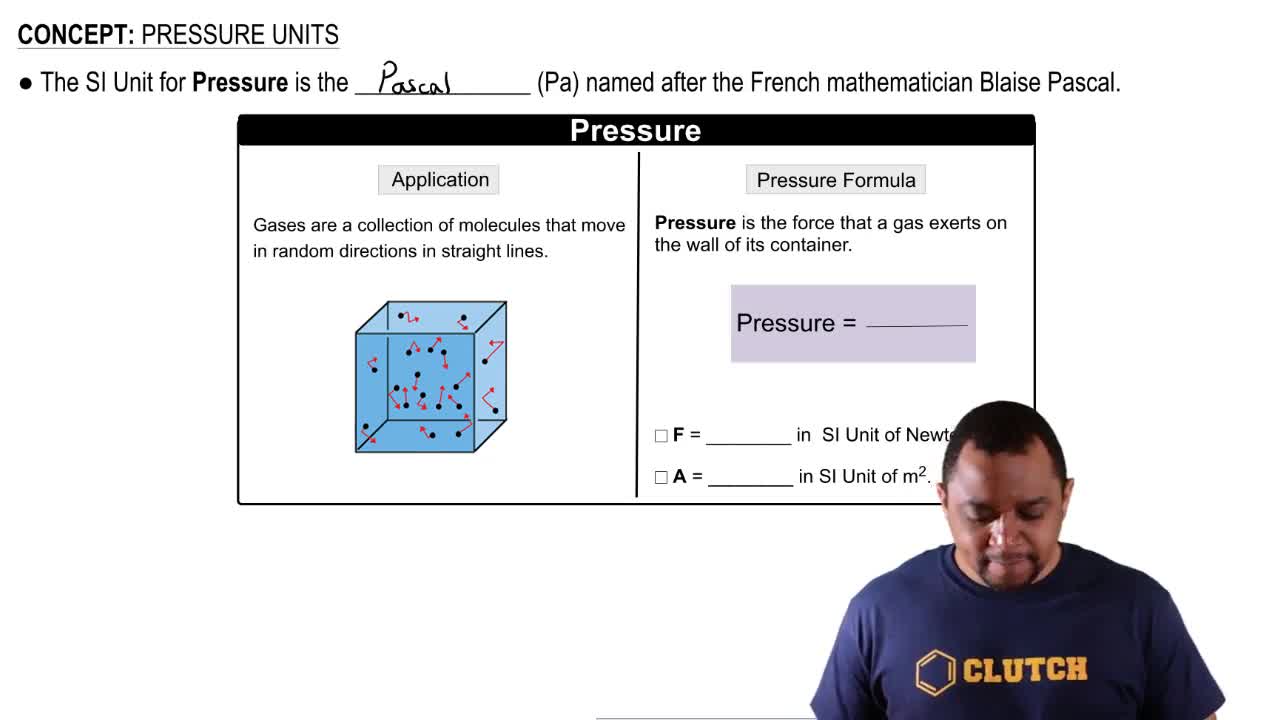
Give the derived SI units for each of the following quantities in base SI units: (a) acceleration = distance/time2 (b) force = mass × acceleration (c) work = force × distance (d) pressure = force/area
458
views

 검증된 단계별 안내
 02:52
02:52
 01:15
01:15 02:19
02:19Give the derived SI units for each of the following quantities in base SI units: (a) acceleration = distance/time2 (b) force = mass × acceleration (c) work = force × distance (d) pressure = force/area
Give the derived SI units for each of the following quantities in base SI units: (g) energy = mass × (velocity)2
What type of quantity (for example, length, volume, density) do the following units indicate? (f) ms-1
Give the derived SI units for each of the following quantities in base SI units: (e) power = work/time
What type of quantity (for example, length, volume, density) do the following units indicate? (a) m3 (b) ns (c) mm (d) g/dm3 (e) °C